
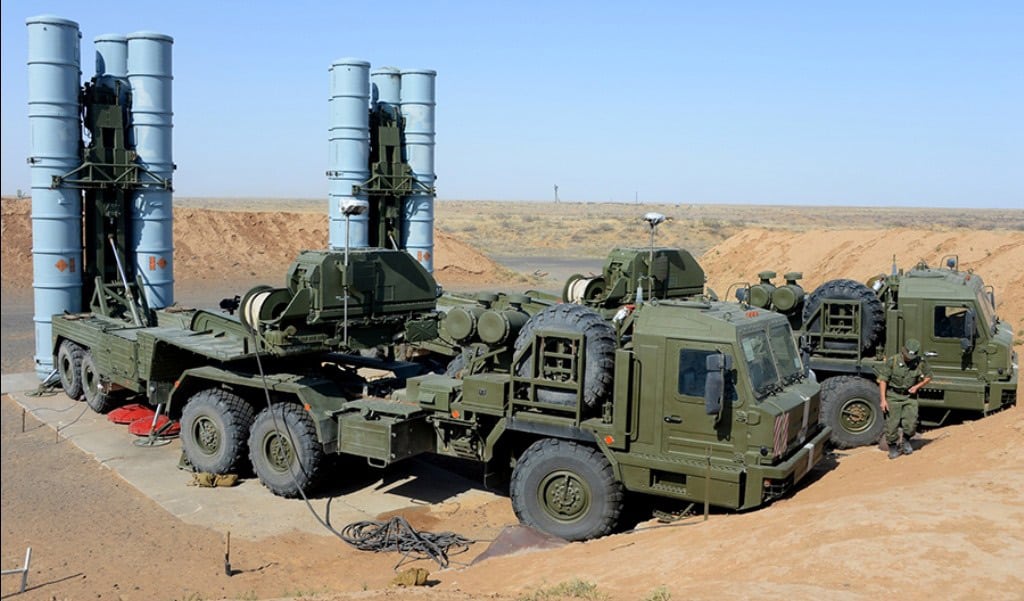
ROME, July 12 — A Russian espionage network operating in Italy specifically targeted data on Ukraine’s air defense systems, including the S-300 and the MIM-104 Patriot, according to information now emerging from the investigation. The operation sought to gather technical specifications, deployment locations, and operational procedures for both systems, information that, if compromised, could enable Russia to develop countermeasures or target the systems more effectively.
Against this backdrop, the case underscores the strategic importance of air defense in the war in Ukraine, where Russia has launched extensive missile and drone strikes since February 24, 2022. The S-300 and Patriot systems are critical for protecting Ukrainian infrastructure and civilian areas.
The S-300 is a Soviet-era surface-to-air missile system first introduced in 1978, used by Ukraine to defend against Russian aircraft and missiles. The Patriot system, developed by Raytheon in the United States and first deployed in 1982, is a modern, long-range air defense system capable of intercepting ballistic missiles and aircraft. NATO countries, including the United States, Germany, and the Netherlands, have supplied Patriot systems to Ukraine since 2022 to counter Russian aerial attacks.
The espionage network’s focus on these systems reveals what is at stake in the wider picture of the conflict: control of the skies and the ability to protect critical infrastructure from relentless bombardment. The operation in Italy targeted not only the Patriot but also the S-300, a pairing that reflects the layered nature of Ukraine’s air defense architecture.
The S-300, though older, remains a backbone of Ukraine’s defensive network, while the Patriot represents a significant upgrade in capability provided by Western allies. The compromise of data on either system could give Russian forces a tactical advantage, allowing them to adjust flight paths, electronic warfare tactics, or missile guidance to evade or suppress these defenses. In the corridors of intelligence agencies, the Italian case is being viewed as a warning about the lengths to which Russian espionage will go to undermine Ukraine’s defensive capabilities.
The investigation has highlighted the vulnerability of military supply chains and the need for heightened security around technical data shared among allied nations. What to watch next is how NATO and EU member states respond to this breach of operational security. The Italian investigation may lead to broader counter-intelligence sweeps across Europe, as allied nations reassess the security of military data shared in the course of supporting Ukraine.
The espionage operation also raises questions about the protection of future weapons deliveries and the need for more robust vetting of personnel with access to sensitive information.




