
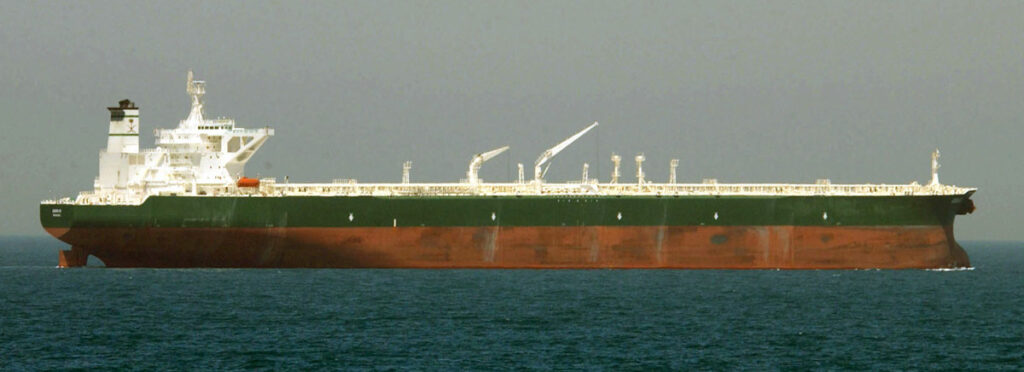
DUBAI, July 7 — An attack on two oil tankers in the Gulf of Oman on April 27, 2025, endangered the lives of crew members aboard the vessels, though no casualties were reported. The incident is the latest in a series of hostile actions that have made seafarers in the region a constant target of drones, mines, and small boat attacks. The attacks have prompted demands from crew members for higher danger pay, reflecting the increased stress of navigating waters where the next strike could come without warning.
For those aboard commercial vessels, the threat is not abstract — it is a daily reality that shapes every decision on the bridge. The United Nations International Maritime Organization has called for the establishment of safe passage corridors to protect merchant shipping.
The IMO’s appeal underscores the growing recognition that the situation has moved beyond isolated incidents into a persistent security crisis affecting global trade routes. Civilian populations in nearby coastal areas of Iran, Oman, and the United Arab Emirates also face risks from potential military escalation, including air strikes or naval engagements. While no such escalation has occurred since the April attack, the possibility remains a concern for regional governments.
Past incidents offer a troubling precedent. The 2019 attacks in the same waters led to temporary evacuations of non-essential personnel from offshore platforms.
That response, while precautionary, disrupted operations and underscored how quickly the security environment can deteriorate. The encouraging part is that no lives were lost in the April 27 attack. But the pattern of aggression against commercial shipping shows no sign of abating.
Seafarers and their families must weigh the risks of each voyage, and shipping companies are left to decide how much danger pay is enough to keep crews willing to sail. Patients should — well, in this case, it is seafarers and their employers who must talk through the risks carefully. For anyone whose work takes them into these waters, the advice is the same: understand the threat, demand proper protection, and do not assume the next attack will miss.




