
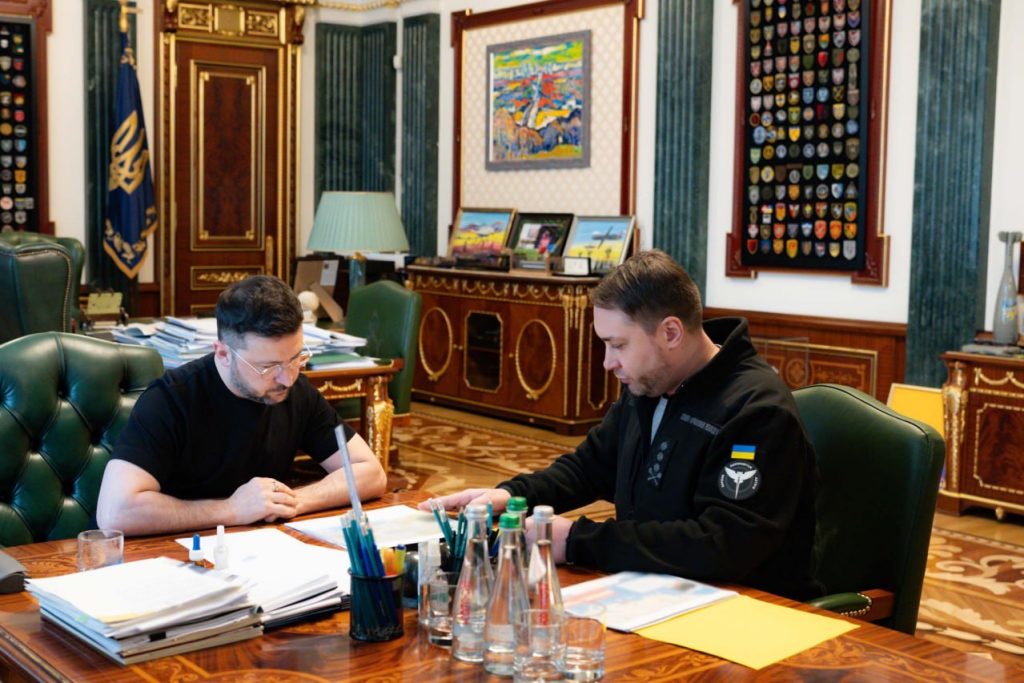
A Career Forged in Asymmetric Warfare
Born in Kyiv on January 4, 1986, Budanov graduated from the Odesa Institute of Ground Forces in 2007 and served in the Ukrainian Armed Forces. His formative experience came with the outbreak of conflict in the Donbas region in 2014, where he served in frontline units and participated in sensitive special operations. That theater, shaped by the 2014 annexation of Crimea and the subsequent fighting in eastern Ukraine, ingrained in Budanov a strategic preference for indirect engagement over conventional confrontation.
His early career included roles in Ukraine’s intelligence special forces, where he gained recognition for behind-the-lines missions and close coordination with international partners. In 2019, officials confirmed his appointment as deputy head of HUR, followed by his elevation to lead the agency the following year. The transition marked a deliberate shift toward more assertive intelligence-led actions, including sabotage operations, drone warfare, and cross-border strikes. Budanov’s leadership has since coincided with a period of intensified long-range attacks inside Russia, demonstrating how intelligence agencies now function as force multipliers in modern conflicts.
Drone Campaign and Western Coordination
Under Budanov’s direction, HUR has conducted numerous covert operations that have expanded Ukraine’s drone warfare capabilities. A notable attack occurred on January 25, 2024, targeting the Omsk refinery, a major Russian industrial facility. These operations are part of a broader campaign designed to disrupt Russian logistics and industrial capacity without committing Ukrainian ground forces to high-risk incursions. HUR has coordinated these efforts with Western intelligence services, sharing targeting data and operational planning with allied agencies. The full extent of this cooperation remains classified, according to officials, but it has been a key factor in the effectiveness of the drone strikes.
Budanov himself has become a central target in the conflict. Russia has sanctioned him, and Ukrainian officials have stated that he has survived several assassination attempts. His aggressive posture has made him a high-priority target for Russian security services, and the Kremlin has repeatedly accused HUR of orchestrating attacks on Russian soil. In response, HUR has faced heightened Russian counterintelligence efforts, particularly as of July 2026. Despite these pressures, the agency continues to plan and execute further drone strikes and covert operations as part of Kyiv’s strategy to maintain pressure on Russian infrastructure while the broader conflict evolves.
Strategic Outlook and Future Challenges
In 2022, Budanov was awarded the Hero of Ukraine, the country’s highest honor, for directing intelligence operations. The decoration underscores the importance Kyiv places on asymmetric tactics against a larger adversary. Observers note that the trajectory of HUR’s campaign will depend on continued Western support and the resilience of Ukraine’s domestic drone production capacity. These factors will determine whether the agency can sustain its long-range strike capabilities and maintain operational tempo amid Russian countermeasures.
Budanov’s background and the significance of his role extend beyond individual operations. His experience in the Donbas conflict and his early coordination with international partners shaped a strategic approach that favors indirect methods over conventional battlefield engagements. As director of Ukraine’s military intelligence agency, he presides over an organization responsible for covert operations and strategic reconnaissance that now directly shapes battlefield outcomes. For analysts, his profile highlights the growing importance of specialized military intelligence in modern conflicts, where drones and cross-border strikes serve as force multipliers in a war of attrition. With Western backing and a domestic industrial base that continues to produce drones, HUR remains a critical component of Ukraine’s defense posture, even as Russian counterintelligence efforts intensify.




