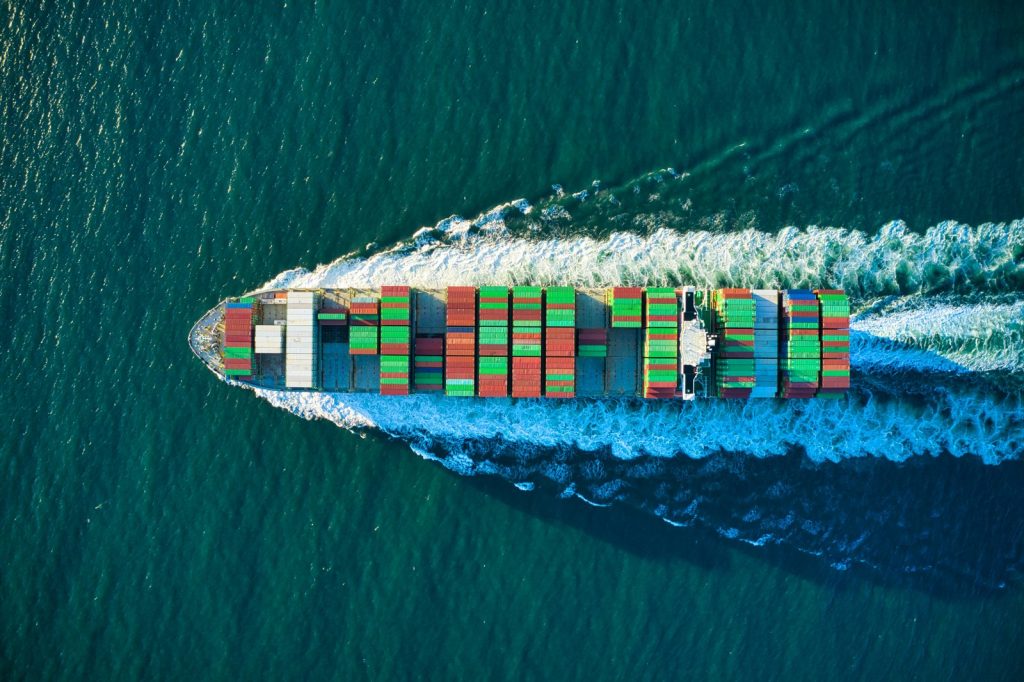
MANAMA, July 7 — The Islamic Revolutionary Guard Corps remains the primary military force behind Iran’s operations in the Strait of Hormuz, a high-stakes chokepoint where oil passes through. In plain terms, think of the IRGC as Iran’s ideological enforcer on the water—a branch that operates independently from the country’s regular navy and answers to the Supreme Leader of Iran. The IRGC Navy doesn’t do subtle.
Its playbook, based on years of documented incidents, relies on speed and surprise. Fast attack boats swarm larger vessels.
Helicopters drop boarding parties onto tankers, as happened in 2019 when the IRGC seized tankers in the strait. Anti-ship missiles provide the long-range punch, and naval mines—a weapon straight out of the 1980s Tanker War—remain in their arsenal. Drones add a modern surveillance layer, letting the IRGC track commercial traffic before making a move.
Here’s what it means for the average person: when tensions spike in the strait, the price at the pump can jump overnight. A single IRGC operation—say, seizing a tanker or laying mines—can disrupt the global oil supply chain in ways that ripple into your weekly budget.
The practical upshot is that this narrow waterway becomes a lever Iran pulls when it wants to apply pressure. The U.S. Navy’s Fifth Fleet, based in Bahrain, monitors these activities. It’s the primary American counterweight in the region, tasked with keeping the strait open for commercial shipping.
The IRGC has been designated a terrorist organization by the United States since 2019, a move that formally separates it from Iran’s regular military in U.S. policy and law. So why does this matter right now? The IRGC’s ability to operate with near-total independence from Iran’s regular navy means it can act quickly and without the usual chain of command.
That makes it harder to predict—and harder to deter. When a fast attack boat zips toward a tanker, there’s no time for diplomatic cables.
The response has to be immediate, and the Fifth Fleet is the one expected to deliver it. What to watch next: any uptick in IRGC patrols near the strait, or reports of mines being laid. Those are the early warning signs that another seizure—or something worse—might be coming.
Sources
- Iran steps up Hormuz surveillance: Attacks soar, oil flows crash again
- How Iran war ship attacks choked off Strait of Hormuz – BBC