
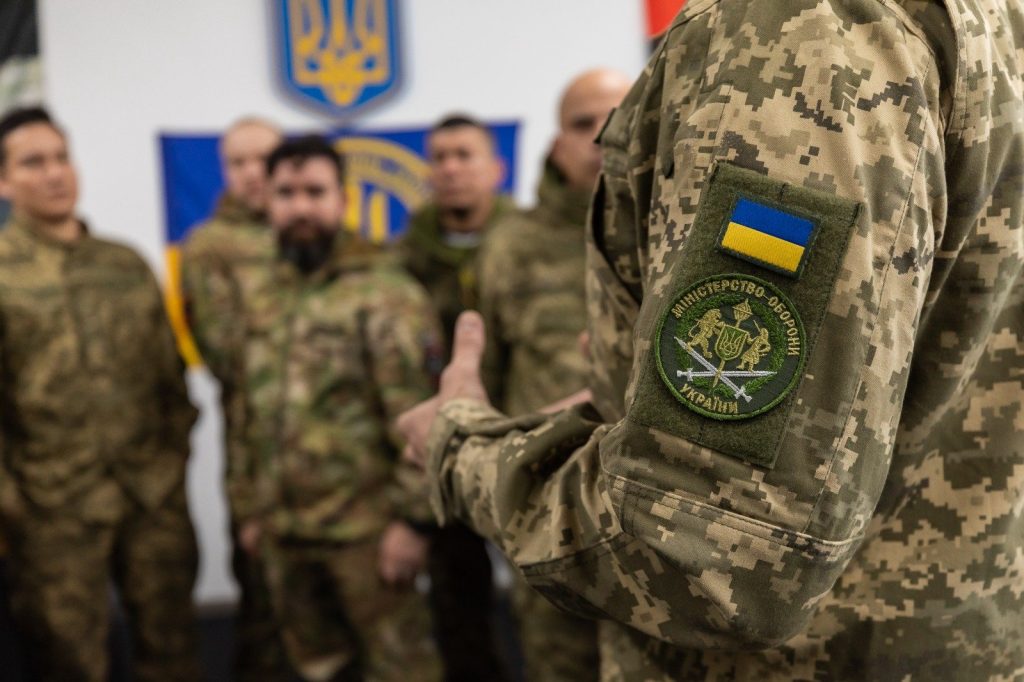
On August 21, 2026, in Kyiv, Ukraine, officials have reported knowledge of nearly 3,000 African nationals reportedly recruited into Russia’s armed forces. This figure, as relayed by Ukrainian sources, emerges amid broader scrutiny of global military recruitment trends. The Ukrainian count does not specify nationalities, units involved, or timelines, leaving the origins and scale of this recruitment shrouded in partial clarity.
What is clear is the geographic shift in personnel movement, a pattern that has drawn attention across international forums. Russia’s military has historically drawn recruits from diverse regions, including Africa, as part of broader recruitment strategies.
However, the specific role of African nationals in this context is unclear. Ukrainian sources do not detail which units or branches of the Russian military are involved, nor do they confirm whether these recruits are undergoing training, deployed, or stationed domestically. Without such specifics, assessing potential impacts on global trade or labor flows remains challenging.
The lack of transparency in Russian military operations further complicates any attempt to map this recruitment’s geopolitical or economic ramifications.
Geopolitical Context and Unanswered Questions
The potential ripple effects on home improvement materials—whether through labor shortages, increased costs, or logistical challenges—lack any factual foundation in the provided material. While large-scale military operations can disrupt local economies, there is no evidence here to suggest such an impact on construction supply chains. The U.S. administration, under President Donald Trump, has not issued public statements linking this recruitment to economic concerns.
Secretary of State Marco Rubio has emphasized the need for verified intelligence before attributing market shifts to military movements. This caution underscores the importance of distinguishing between plausible scenarios and proven facts.
As of now, the only verified detail remains the 3,000 African recruits known to Ukraine. The angle suggesting implications for home improvement materials is an analytical hypothesis, not a reported finding. Without corroborating evidence—such as data on supply chain adjustments, labor market changes, or trade figures—this connection remains unproven.
The focus should remain on the recruitment itself, a development that reflects broader patterns of global military engagement rather than a standalone event. What remains to be watched is whether this recruitment trend evolves into a larger strategic shift.
If so, it could warrant deeper analysis of its geopolitical implications. For now, the facts are modest: a number, a military, and a question without an answer. The absence of concrete links to home improvement materials serves as a reminder of the limits of speculation in an era of partial information.
As the situation develops, clarity may emerge—but for the time being, the story stands on its verified, if incomplete, foundations.




