HSBC will open a new wealth management centre in Abu Dhabi in December, even with a war on Iran unsettling the region. For families across the region watching the news, the bank’s timing says something about where big money still feels at home.
HSBC’s bet on the Emirates
Mohamed Al Marzooqi, chief executive of HSBC in the United Arab Emirates, told the South China Morning Post the project is part of the lender’s largest investment in the Middle East in two decades. Last year the bank opened a wealth centre in Dubai, its first wealth hub in the region. The war that the United States and Israel began against Iran in late February has not slowed demand, he said. HSBC kept signing many new high-net-worth clients in the UAE through the first half of the year.
“We continue to see strong growth of our new high-net-worth and wealthy customers in the region despite the uncertain global and regional geopolitical environment,” Al Marzooqi said. An HSBC survey, meanwhile, found that 97 per cent of global investors rated the UAE an attractive place for infrastructure projects.
Why the capital sits here
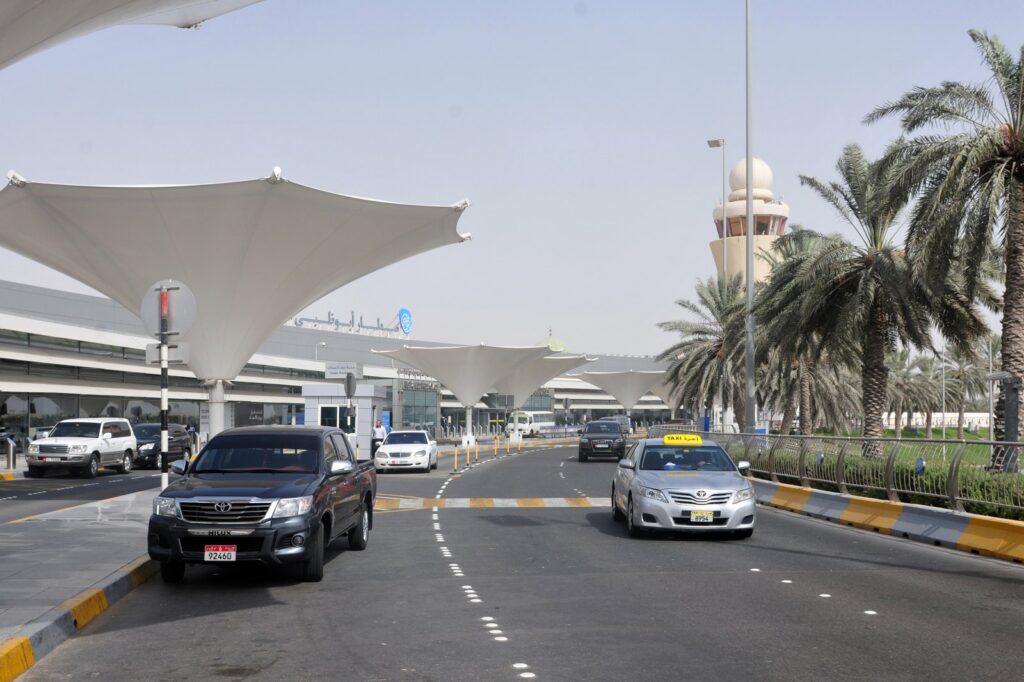
Abu Dhabi is the UAE’s capital, built on an island in the Persian Gulf, and the second most populous city after Dubai. Its urban area held an estimated 2.5 million people in 2023, out of 3.8 million in the wider emirate. The emirate produces about two-thirds of the UAE’s roughly $503 billion economy.
The Abu Dhabi Investment Authority, based in the city, manages an estimated US$1 trillion, making it the world’s third-largest sovereign wealth fund behind Norway’s Government Pension Fund Global and China’s CIC. Taken together, sovereign funds headquartered in Abu Dhabi hold more than a trillion dollars.
A tense neighbourhood
The calm in the bank’s pitch sits beside real danger nearby. Ship attacks have continued in the Strait of Hormuz, which both sides contest while oil exports have slowed sharply. Saudi Arabia is also in conflict with the Iran-backed Houthi rebels in Yemen. A missile attack on Riyadh’s King Khalid International Airport killed 13 people, Motorsport.com reported. The airport has reopened with limited service, and the United Kingdom has pledged fighter jets to help Saudi Arabia defend against further Houthi attacks.
Earlier this year the conflict forced the cancellation of Formula 1 races in Bahrain and Saudi Arabia. The Bahraini organisers effectively moved their postponed grand prix to Malaysia. Qatar and Abu Dhabi, so close to the fighting, saw their season-ending races put in doubt. FIA president Mohammed Ben Sulayem now says he is confident both will go ahead, and talk of cancelling them has faded. He said he would not leave his own children living in the Emirates if he thought it unsafe.
“We read and we see the TV, we don’t have that, really,” he said of the picture painted in the media. He could not promise nothing would happen, he added, only that today there was nothing and both races would run. MotoGP teams have been told the rescheduled Qatar round will take place in November.
Sources
- HSBC to open new wealth centre in Abu Dhabi despite regional conflict
- Abu Dhabi
- FIA expects F1 races in Qatar and Abu Dhabi to continue as planned
Photo: Ralf Roletschek (CC BY 3.0)