U.S. Africa Command (AFRICOM) has issued a warning that Yemen’s Houthis are seeking to expand their operational footprint into Somalia. The record shows that Houthi fighters or representatives may already be operating in the north of the country alongside al-Shabaab, the local affiliate of al-Qaeda. This development marks a significant shift in the regional security architecture, moving the conflict from a maritime dispute in the Red Sea to a land-based proxy network spanning the Horn of Africa.
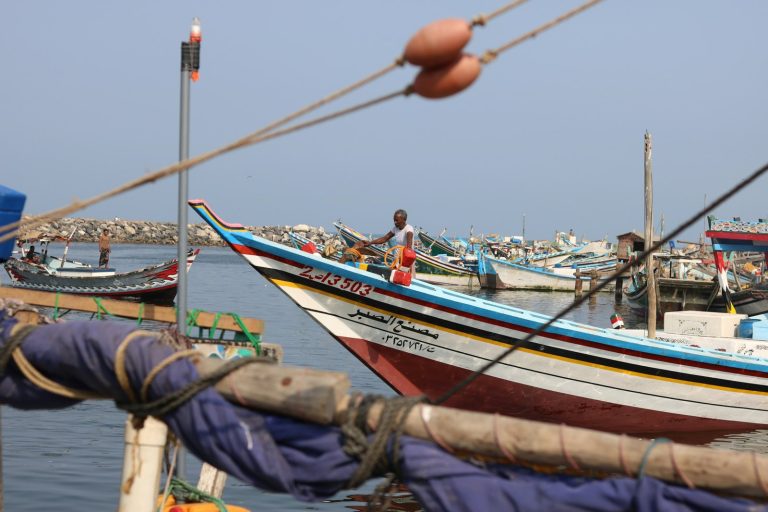
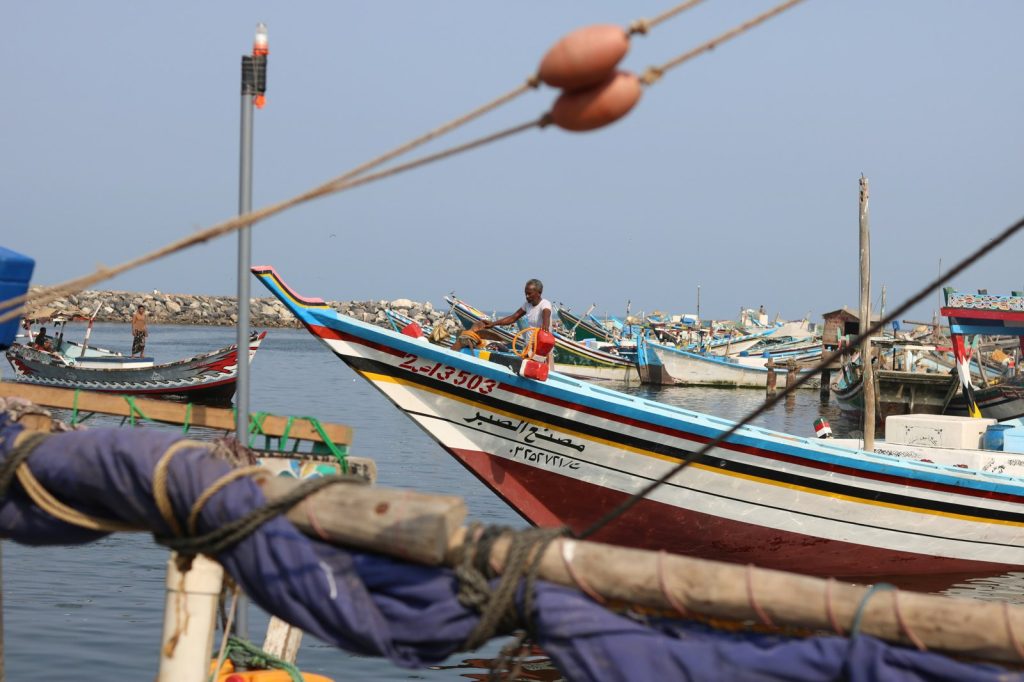
The warning follows a series of military actions by Houthi forces in September. During that month, the group seized roughly 115 kilometers of Yemen’s Red Sea coast. This territory includes the port of Mokha and Perim Island, located in the Bab al-Mandab strait. According to the filing, the offensive to take the coast was guided by advisers from Iran’s Revolutionary Guard. A Saudi-backed counteroffensive subsequently moved to retake the strait, but the initial seizure provided the Houthis with a critical geographic foothold. This foothold allows them to project power across the water to the African shore.
The Mechanics of the Gulf of Aden Network
The expansion into Somalia is not an isolated incident. It is the latest phase of a network that has been building since at least 2023. On the timeline, the Houthis have been establishing a web of clients, suppliers, and smuggling routes on the African side of the Gulf of Aden. This infrastructure is designed to move weapons, fighters, and technical know-how between Yemen and Somalia. The network functions as a relay station, a role that has historically defined Yemen’s strategic position. A long coastline, a weak central government, and a location between the Arabian Peninsula and the Horn of Africa have repeatedly made the region a hub for militant movements. Ideas, money, and weapons arrive from outside, fighters are trained and organized, and capability is sent onward across the water.
This pattern has deep roots. The first phase of this dynamic began with the war against the Soviet occupation of Afghanistan. Between 1984 and 1989, the Yemeni cleric Abdul Majid al-Zindani sent between 5,000 and 7,000 Arab volunteers, many of them Yemenis, for training in Pakistan and Afghanistan. When that war ended, many returned with skills and connections that persisted through subsequent conflicts. Each phase left behind routes, personal ties, and channels of cooperation that the next inherited. Today, the Houthi network in the Gulf of Aden represents the latest iteration of this long-standing pattern of militant transit and training.
Strategic Gains for the Axis of Resistance
The strategic calculus for the Houthis, Iran, and their regional partners is clear. The Houthis are backed by Iran and are widely considered part of the Iranian-led Axis of Resistance. The conflict in Yemen is widely seen as a front of the Iran–Saudi Arabia proxy war. By extending their reach into Somalia, the Houthis gain the means to watch shipping from the Somali coast. This provides a new vantage point for monitoring maritime traffic that bypasses the direct line of sight from Yemen. Furthermore, the network allows the Houthis to press on the one Israeli foothold emerging on the African shore, at Berbera in Somaliland. This creates a direct pressure point on Israeli interests in the region.
For Iran, the implications are even broader. Iran’s proxies now have proxies of their own. This creates a cascading effect where advanced weapons and technical know-how can flow from Iran through the Houthis to jihadist networks that lie beyond the direct control of the Revolutionary Guard. This layering of proxies complicates attribution and expands the reach of Iranian influence. The Houthis are not merely acting as a local militia; they are functioning as a node in a wider network that connects state-backed actors with non-state jihadist groups. This structure allows for the transfer of capabilities that would otherwise be difficult to sustain in a volatile environment.
The Threat to American Interests in East Africa
The most immediate consequence of this network is the threat it poses to American forces. An al-Shabaab armed and trained by the Houthis, and through them by Iran, gains the ability to threaten American forces and interests across East Africa. The United States maintains a significant military presence in the region, tasked with counterterrorism and maritime security. The introduction of Houthi-trained fighters into al-Shabaab ranks elevates the threat level. These fighters bring technical know-how that may exceed the current capabilities of al-Shabaab. This includes training in the use of advanced weapons systems and tactics developed in the Yemeni conflict.
The United States confronts this network through two combatant commands and a maritime counterterrorism doctrine. However, the existing strategy has focused primarily on protecting American ships in the Red Sea. The new developments constitute a matrix of threats that requires a shift in both strategic vision and threat assessment. The threat is no longer confined to the waterway between Yemen and Djibouti. It extends to the landmass of the Horn of Africa, where American interests are more vulnerable to ground-based attacks. The gap in the American Red Sea strategy lies in its failure to account for the land-based network that supports the maritime threat. Without addressing the Somali component, the maritime containment strategy remains incomplete.
Historical Context and Current Dynamics
The Houthi movement, officially known as Ansar Allah, emerged from Yemen in the 1990s. It is predominantly made up of Zaydis, whose leadership is drawn largely from the al-Houthi family. The group has been a central player in Yemen’s civil war, drawing widespread international condemnation for its human rights abuses, including targeting civilians and using child soldiers. The movement is designated as a terrorist organization by the United States and other countries. Under the leadership of Zaydi religious leader Hussein al-Houthi, the Houthis emerged as an opposition movement to Yemeni president Ali Abdullah Saleh. In 2003, influenced by the Lebanese Shia political and military organization Hezbollah, the Houthis adopted their official slogan against the United States, Israel, and the Jewish people. Al-Houthi was killed by the Yemeni military in Saada in 2004, and his death sparked the Houthi insurgency. Since then, the movement has been mostly led by his brother Abdul-Malik al-Houthi.
The organization played a role in the Yemeni Revolution of 2011 by participating in street protests and coordinating with other Yemeni opposition groups. They joined Yemen’s National Dialogue Conference but later rejected the 2011 reconciliation deal. In late 2014, the Houthis repaired their relationship with Saleh, and with his help they took control of the capital city. The takeover prompted a Saudi-led military intervention to restore the internationally recognized government. This led to an ongoing civil war which included missile and drone attacks against Saudi Arabia and its ally the United Arab Emirates. Following the outbreak of the Gaza war, the Houthis began to fire missiles at Israel and to attack ships off Yemen’s coast in the Red Sea. They stated that these actions were in solidarity with the Palestinians and aimed to facilitate the entry of humanitarian aid into the Gaza Strip. The current expansion into Somalia represents a new chapter in this long history of conflict and regional intervention.
The Houthis aim to govern all of Yemen and support external movements against the United States, Israel, and Saudi Arabia. Their ideological background drives their actions, and their complex relationship with Yemen’s Sunnis reflects this. The movement has discriminated against Sunnis but has also allied with and recruited them. The Houthis attract followers in Yemen by portraying themselves as fighting for economic development and the end of the political marginalization of Zaydi Shias. They also promote regional political and religious issues in their media. This narrative helps them maintain support despite the humanitarian crisis they have contributed to. The expansion into Somalia is not just a military move; it is an ideological one, seeking to extend their influence over a wider Muslim population and to challenge the existing order in the Horn of Africa.
The situation in the Horn of Africa is now a multi-layered conflict. The Houthis, al-Shabaab, and the various state and non-state actors in the region are all interacting in a complex web of alliances and rivalries. The United States and its partners must navigate this web with precision. The cost of inaction is high, as the threat to American forces and interests grows. The record shows that the Houthis are not acting alone; they are part of a larger network that includes Iran and other regional powers. Understanding this network is essential to developing an effective strategy. The focus must shift from a purely maritime perspective to a comprehensive regional approach that addresses the root causes of the conflict and the networks that sustain it.
Sources
- Houthis
- The Yemen–Horn of Africa Corridor: Houthi Expansion and the Gap in American Red Sea Strategy
- The Mecca Pact and the Limits of American Guarantees
Photo: Ammar Mahmood / Unsplash (Unsplash License)