
MANAMA, July 15 — The decision to scrap the proposed Strait of Hormuz cargo fee leaves the United States without a clear funding mechanism for its naval patrols in one of the world’s most critical maritime chokepoints.
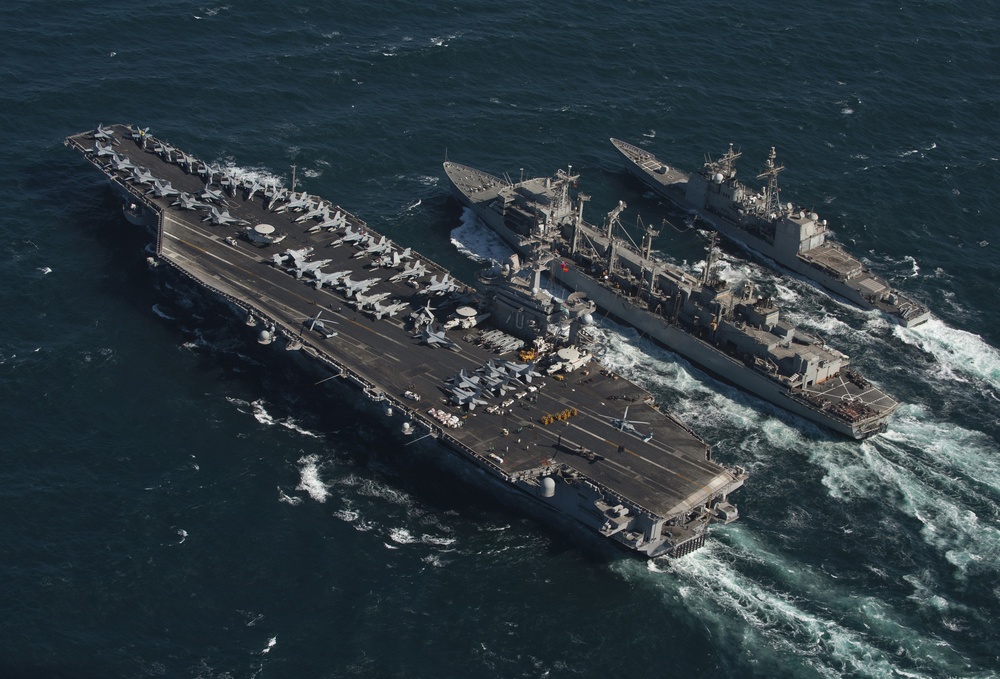
Operation Sentinel, launched in 2019, continues under the command of the U.S. Navy’s Fifth Fleet. The United Kingdom, Australia, Bahrain, and other allied nations contribute to the mission, which patrols the strait through which a significant share of the world’s seaborne oil passes.
The cost of maintaining Operation Sentinel is estimated between $1.5 billion and $3 billion annually, a burden carried primarily by American taxpayers. With the fee now withdrawn, the Trump administration faces the question of how to sustain those patrols without a dedicated revenue stream tied to the shipping traffic the operation protects.
Shift in maximum pressure strategy
The reversal may signal a recalibration of the administration’s Iran policy, which has centered on a maximum pressure campaign of sanctions and military deterrence. As of January 2025, Iran’s oil exports had fallen to about 1.5 million barrels per day, down from 2.5 million barrels per day in 2018, according to tanker tracking data.
Those reductions came through sanctions enforcement, not through any fee mechanism. But the fee’s withdrawal removes a potential point of friction with shipping nations that had expressed concern about the levy.
The administration may now look to alternative funding sources. Congressional appropriations remain one option. Another is seeking increased financial contributions from allied nations that benefit from the free flow of traffic through the strait.
Stalled negotiations and nuclear concerns
The decision also comes against the backdrop of stalled negotiations with Iran. Diplomatic channels have not produced a breakthrough, and the International Atomic Energy Agency reported in November 2024 that Iran has enriched uranium to 60% purity, with a stockpile of over 200 kilograms. That level of enrichment is well beyond what is needed for civilian energy production and brings Iran technically close to weapons-grade material.
The U.S. and its allies continue to patrol the strait regardless of the fee’s status. But the withdrawal of the levy removes a potential flashpoint with the very shipping nations whose cooperation is needed for the broader strategy to hold.
What comes next is not yet clear. The administration may conduct a review of the maximum pressure campaign, or it may pursue renewed diplomatic efforts. For the countries across Asia that depend on the free flow of energy through the Strait of Hormuz, the question of who pays for that security — and how — remains unresolved.




