
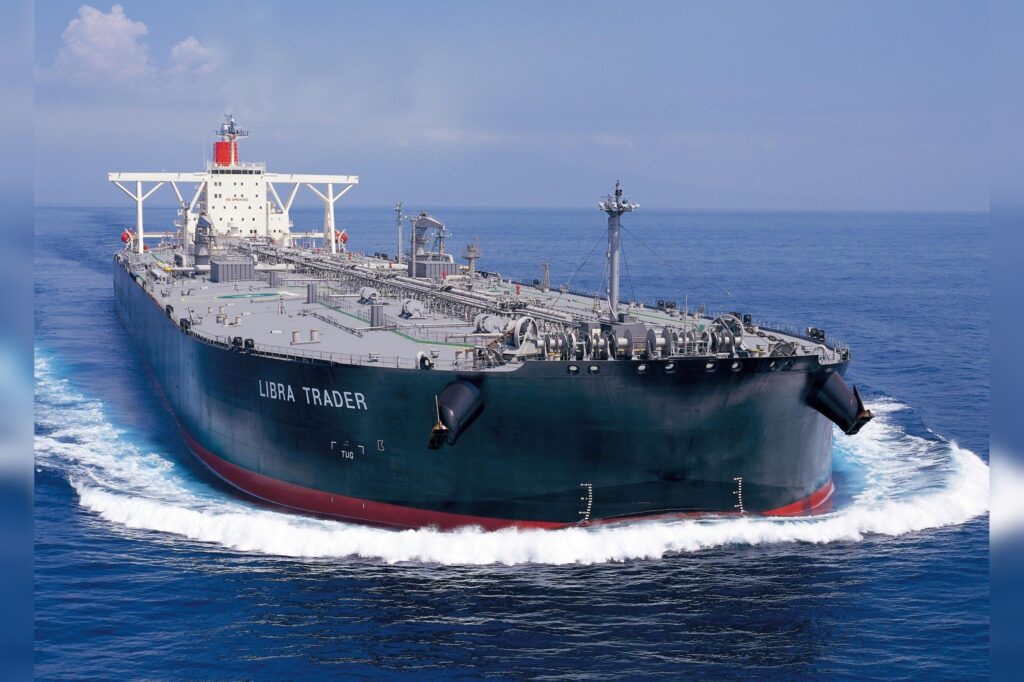
ISLAMABAD, July 7 — The Strait of Hormuz, a narrow waterway between Iran and Oman, remains one of the world’s most vital arteries for energy supplies. At just 21 miles wide at its narrowest point, this passage handles a significant portion of global oil consumption.
According to the U.S. Energy Information Administration, approximately 17 million barrels per day moved through the strait in 2023. That represents about 20% of global oil consumption. Major producers like Saudi Arabia, Iraq, Kuwait, and the United Arab Emirates rely on this route for their exports.
The early findings from energy analysts suggest any disruption in the strait could lead to oil price spikes and threaten global economic stability. This is not a hypothetical concern — the waterway’s strategic importance has made it a focus of international attention for decades.
The encouraging part for patients concerned about energy costs is that the strait is also critical for liquefied natural gas shipments from Qatar. This means the waterway’s stability affects not just oil prices but also natural gas markets, which many households depend on for heating and electricity.
Patients should understand that the global energy system has built-in buffers. Strategic petroleum reserves exist in many countries, and alternative shipping routes, while longer, are available. But the narrow geography of the strait means there is no quick substitute for the volume that passes through daily.
Talk to your doctor about how global energy prices might affect your household budget. While I usually write about cancer treatments and health outcomes, the same principle applies here: understanding the factors that affect your daily life helps you make better decisions.
The waterway’s importance to global energy security is clear from the numbers. When 20% of the world’s oil moves through a 21-mile gap, the system is inherently vulnerable. But history shows that markets adapt, and nations plan for contingencies.
What to watch next: how major consuming nations manage their strategic reserves and whether alternative energy sources gain momentum as a result of this ongoing strategic vulnerability. As always, consult your doctor if you have concerns about how energy prices might affect your health or treatment costs.




