
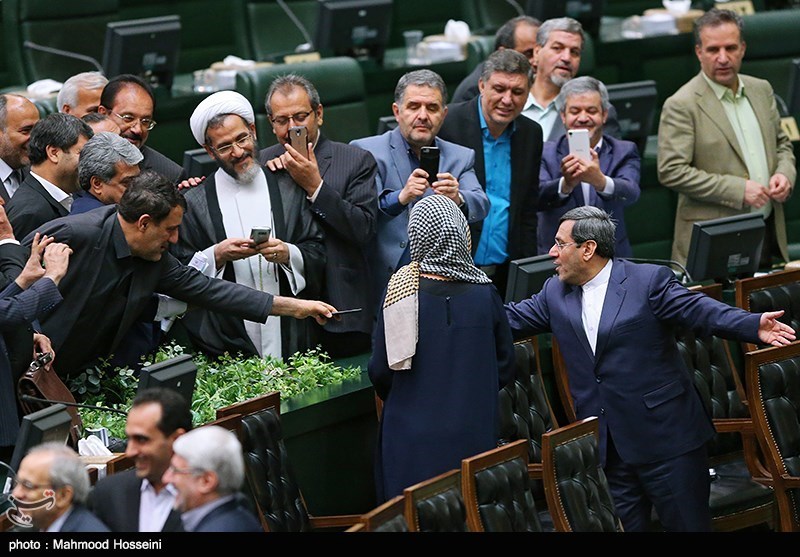
Vessels linked to the United States or Israel would be barred from the Strait of Hormuz under a draft law that an Iranian parliamentary committee began reviewing in early August 2026. Violators would face fines of up to 20% of the cargo’s value.
Reuters, citing Iran’s semi-official Fars news agency and a lawmaker, reported on August 6 that the text is still preliminary. Specialists have been asked for feedback before it takes final form. The ban would reach beyond US and Israeli vessels to ships of other states Tehran labels “hostile.”
What the draft says
Anadolu Agency, drawing on Tasnim, named the measure the “Strategic Action for the Security and Sustainable Development of the Strait of Hormuz and the Persian Gulf.” A member of parliament’s presiding board, Salimi, said the National Security and Foreign Policy Committee was examining it.
The list of restrictions is long. Besides vessels from the US, Israel and other hostile states, the draft would shut out military and civilian cargo linked to Israel, along with ships that supported operations against Iran’s “Axis of Resistance.” Countries and individuals held responsible for damage to Iran would be denied passage until they pay compensation. The government would work with the armed forces to monitor traffic and protect the waterway and its environment.
Press reports describe a separate diplomatic track running at the same time. Iran and Oman are negotiating a new management framework after a June Iran-US memorandum of understanding, Anadolu said, citing Iranian Foreign Ministry sources via Tasnim. Under that plan, ships would first keep to current lanes, then move to a centrally managed corridor, and pay service fees instead of cargo-based tolls.
First article approved
By August 10 the bill had moved. Iran International reported that the parliamentary Internal Affairs and Councils Committee approved a first article, restricting transit for assets owned by the United States, Israel and other nations Tehran regards as hostile. It is the first of five articles under detailed review. Committee spokesperson Valiollah Bayati said the countries involved “had used the strait to carry out what he described as hostile actions and attacks against Iran.”
The National Security and Foreign Policy Committee had earlier signed off on the general framework on Sunday, with no objection from members present, according to spokesperson Hassan Ghashghavi.
Lawmaker Sodeif Badri said other provisions under discussion cover stricter rules for vessels tied to hostile nations and fees for maritime services, with the revenue paying for security, monitoring and infrastructure. Lawmakers want “a long-term legal framework for Iran’s management of Hormuz rather than relying on temporary policies,” Badri said, adding that the strait would not go back to its pre-war condition.
The bill grew out of twelve proposals sent to the committee by late July. Nine dealt directly with restrictions on Hormuz; three would amend Iran’s maritime zones law.
Sources
- Iranian parliamentary committee reviews draft bill to bar US, Israeli ships from Hormuz (Reuters, via Al-Monitor)
- Iranian parliament reviews bill to restrict Strait of Hormuz transit (Anadolu Agency)
- Iran Parliament Advances Hormuz Bill Targeting US, Israeli Transit (Iran International)




