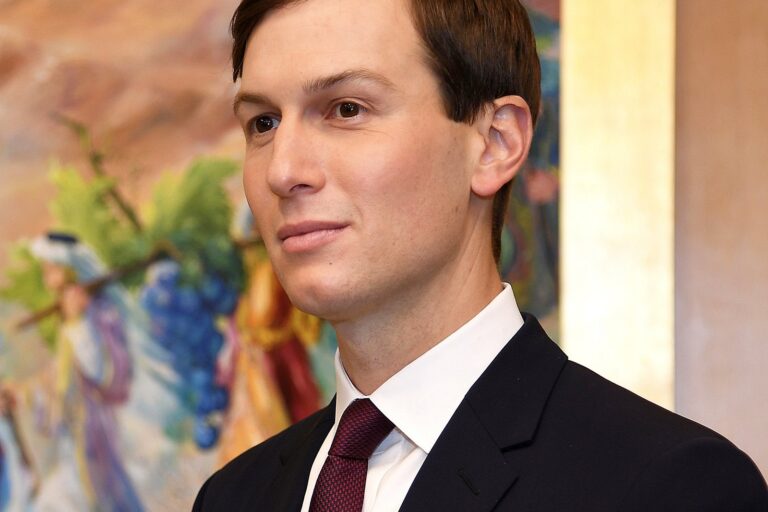
“We cannot remain helpless spectators,” India’s External Affairs Minister S. Jaishankar said on Sunday, speaking in Delhi on United Nations Day. Hindustan Times reported that he used the Chinmaya Amrit Mahotsav Global Sammelan to repeat New Delhi’s position that dialogue and diplomacy are the only way to settle conflicts.
Two wars and who pays
Jaishankar said a “war anywhere is threat to peace everywhere.” He pointed to Russia’s invasion of Ukraine and to the conflict in West Asia involving the United States, Israel and Iran. “Societies and economies, peoples far away, who have little say in the matter, are actually paying the cost,” he said.
India, he added, is making its own efforts and is open to working with other partners. He framed the call as one that “expresses global sentiment.”
Economics and peace
He tied peace to development. “Progress and prosperity are the flip side of conflict and violence,” Jaishankar said, and a world that depends on intricate supply chains, globalized markets and common resources “cannot advance half prosperous and half denied.” That, he said, is “simply a prescription for continuous instability.”
Terrorism
He named terrorism as another deadly threat to peace. Using it as an “instrument of statecraft” was simply unacceptable, he said, and could be neither justified nor rationalised. The threat persists because not all countries show zero tolerance. “Despite history holding so many lessons, some still allow political calculations to take precedence,” he said, calling for wider awareness and stronger collective action.
The same themes at the General Assembly
These lines echo his address to the U.N. General Assembly, where he described the Ukraine conflict as in its fifth year and called on all parties in the Gulf to show restraint and protect civilians. He called attacks on commercial shipping and seafarers unacceptable and said India believes a durable peace in West Asia requires a two-state solution, while it contributes humanitarian assistance for Palestinians. Nations were now de-risking and diversifying, he told the Assembly, because of a “weaponization of everything,” with choke points in finance, market access, supply chains and technology.
Jaishankar, born in Delhi in 1955, joined the Indian Foreign Service in 1977 and served as ambassador to China and the United States and as foreign secretary from 2015 to 2018. He became external affairs minister in 2019 and was reappointed in June 2024. He is the longest-serving minister to hold that portfolio exclusively, and he has described his foreign policy as India-first, built on national interest, strategic autonomy and multi-vector diplomacy.
Sources
- S. Jaishankar
- Statement by S. Jaishankar, Minister of External Affairs of India, at the General Debate of the 81st Session of the United Nations General Assembly
- 'We cannot remain helpless spectators': Jaishankar presses for 'dialogue and diplomacy' amid Ukraine, West Asia conflicts
Photo: Bundesministerium für europäische und internationale Angelegenheiten (CC BY 2.0)