
A Campaign of Attrition
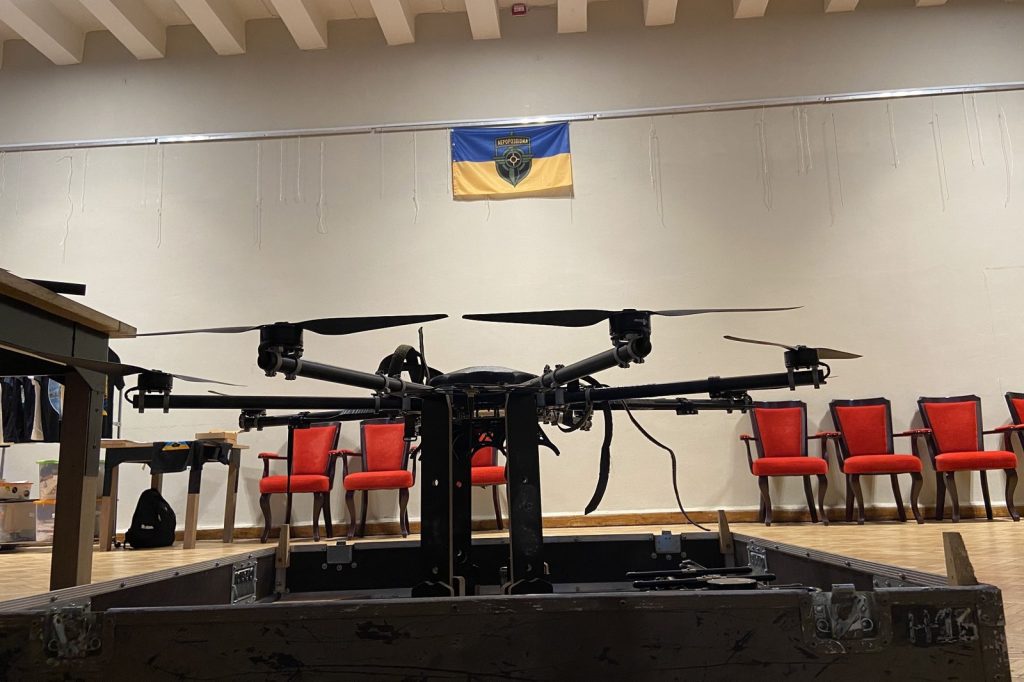
The drone strikes have hit facilities across multiple Russian regions. On January 25, 2024, a drone attack struck the Tuapse refinery in Krasnodar Krai. On March 12, 2024, the Novoshakhtinsk refinery in Rostov Oblast was targeted. Both facilities are significant nodes in Russia’s southern fuel supply network, which supports military operations in and around Ukraine. The drones employed in these operations include Ukrainian-made models such as the UJ-22 Airborne and modified versions of the Soviet-era Tu-141 Strizh.
Ukraine’s historical background provides context for its current conflict. The country is the second-largest nation in Europe and borders Russia to the east and northeast. A center of East Slavic culture under the state of Kievan Rus’ starting in the 9th century, the region was contested by various external powers for centuries. The Russian Empire absorbed much of the land by the 18th century, and Ukraine later became a constituent republic of the Soviet Union in 1922. It endured a human-made famine in the early 1930s and suffered heavy civilian losses during World War II. Ukraine declared independence in 1991 after the Soviet Union dissolved, transitioning toward a liberal democracy and a free market. Mass demonstrations in 2014 led to a revolution, after which Russia unilaterally occupied and annexed the Crimean Peninsula.
The current drone campaign extends this history of territorial disputes and political shifts. By striking refineries and depots, Ukraine aims to reduce the availability of fuel for Russian forces in the field, directly affecting Russia’s ability to sustain military operations. The Tuapse and Novoshakhtinsk refineries, both struck in early 2024, are critical for supplying fuel to Russian units in southern Ukraine and along the front lines.
Adaptation and Countermeasures
Russia has deployed electronic warfare systems and air defenses to counter the drone threat. According to the available record, Ukraine has adapted by shifting to smaller, harder-to-detect drones that can evade these existing defensive systems. This tactical evolution has partially offset Russia’s defensive improvements, keeping the campaign viable.
The most recent confirmed strike in this campaign occurred on March 15, 2025, at an oil depot near the city of Stavropol in Stavropol Krai. The depot is located close to Stavropol, a city with a population of approximately 450,000. The attack ignited a fire that burned for several hours, according to reports from the scene. On the same day, explosions were reported in Moscow Oblast. Whether these were linked to a separate drone incursion remains unconfirmed.
Russia’s response has involved both active defense—electronic jamming and anti-aircraft systems—and passive measures such as dispersing fuel storage and hardening facilities. The Stavropol strike and the unconfirmed Moscow Oblast explosions on March 15, 2025, indicate that the geographic scope of the campaign may be expanding beyond refineries in southern Russia to include depots farther north and closer to the capital.
Strategic Implications
Looking ahead, the pattern of attacks suggests that Ukraine will continue to target energy infrastructure as a component of its broader military strategy. Russia is likely to further refine its electronic warfare and air defense deployments in response. These developments affect global energy markets and regional security, and they ultimately determine the future sovereignty and borders of the nation.
The conflict’s roots in Ukraine’s long history of foreign domination and its post-Soviet transition toward democracy underscore the high stakes. The drone campaign is one element of a war that has reshaped European security, with fuel supplies becoming a critical lever. As both sides adapt—Ukraine with smaller drones, Russia with hardened defenses—the campaign’s trajectory will influence the course of the broader conflict. The March 15, 2025, strikes near Stavropol and the reported explosions in Moscow Oblast suggest that no region of Russia’s fuel infrastructure is beyond reach.




