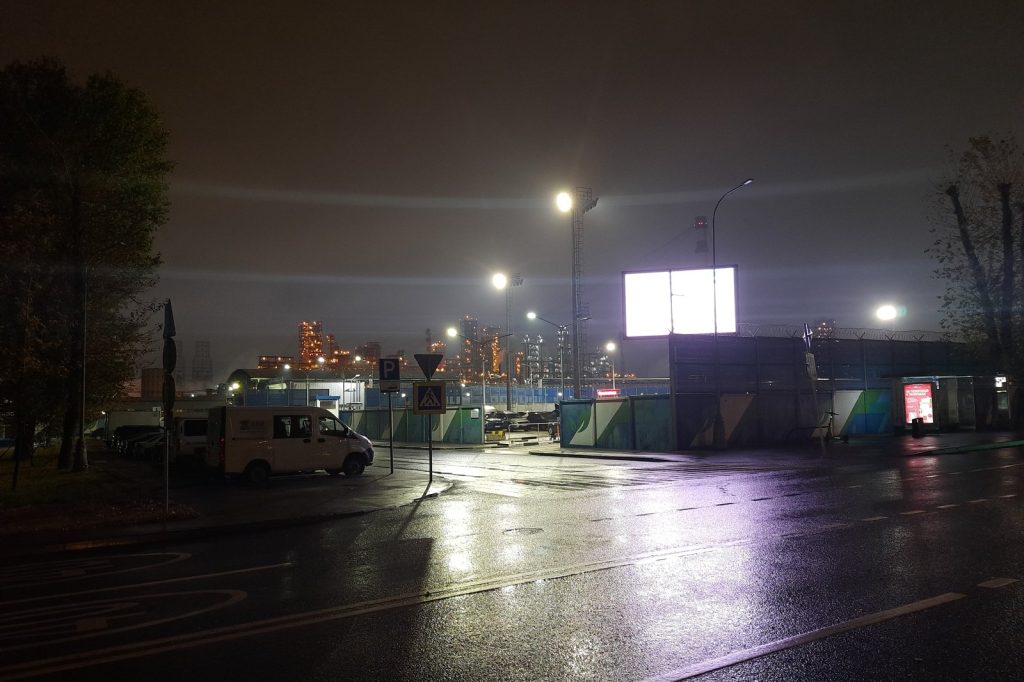
Omsk sits in Siberia, almost 2,500 kilometers from Ukraine. This week Ukrainian drones reached it and struck the oil refinery there, President Volodymyr Zelensky said in his weekly summary.
“This week our soldiers achieved important results in applying long-range sanctions against Russian facilities that sustain this war,” he said. Zelensky pointed to progress in cutting the oil-and-gas capacity of Russia. Another refinery, in Nizhnekamsk, was hit on July 8, 2026.
What the numbers say
The Financial Times reported that Russian refineries have lost between 20 and 40 percent of their capacity because of Ukrainian drone attacks.
Borys Dodonov, head of energy research programs at the Kyiv School of Economics, gave a concrete measure. In June, Russia processed on average about 4.1 million barrels of oil per day. That is roughly 28% below the five-year average and 35% below planned capacity.
The fuel crisis has deepened as the strikes have intensified, and it is already being felt on the market, according to the report.
Other fronts of the week
Russian emergency services declared a drone danger in the Novosibirsk region on July 6 and told residents to shelter. Earlier drone strikes on the Omsk refinery halted flights and prompted investigations.
Zelensky said Russia launched thousands of drones, guided bombs and missiles during the week, and that Kyiv is seeking more interceptors to protect civilians. He also said signed arrangements let the United States access Ukrainian aerial and maritime drones for testing. A formal Ukraine and U.S. drone deal is still under negotiation.
Ukraine’s General Staff has said the Defense Forces are systematically working to reduce the occupiers’ combat effectiveness and push Russia to halt its aggression.