
WARSAW, July 28 — The shift is subtle but unmistakable: Kremlin messaging around Ukraine’s future sovereignty has been testing a narrative that directly implicates Poland. Eighteen months after Russian President Vladimir Putin first floated the idea of partitioning Ukraine and handing territory to Warsaw, the claim remains a live grenade in Eastern European diplomacy — one that Polish officials have refused to let pass unchallenged.
On March 13, 2024, Putin told state broadcaster Rossiya-1 that Ukraine could eventually be carved up and that some of its land could be transferred to Poland. It was a move that resurrected a historical grievance, one deeply rooted in the 20th-century border shifts that followed the 1945 Potsdam Agreement and the traumatic 1943 Volhynia massacre.
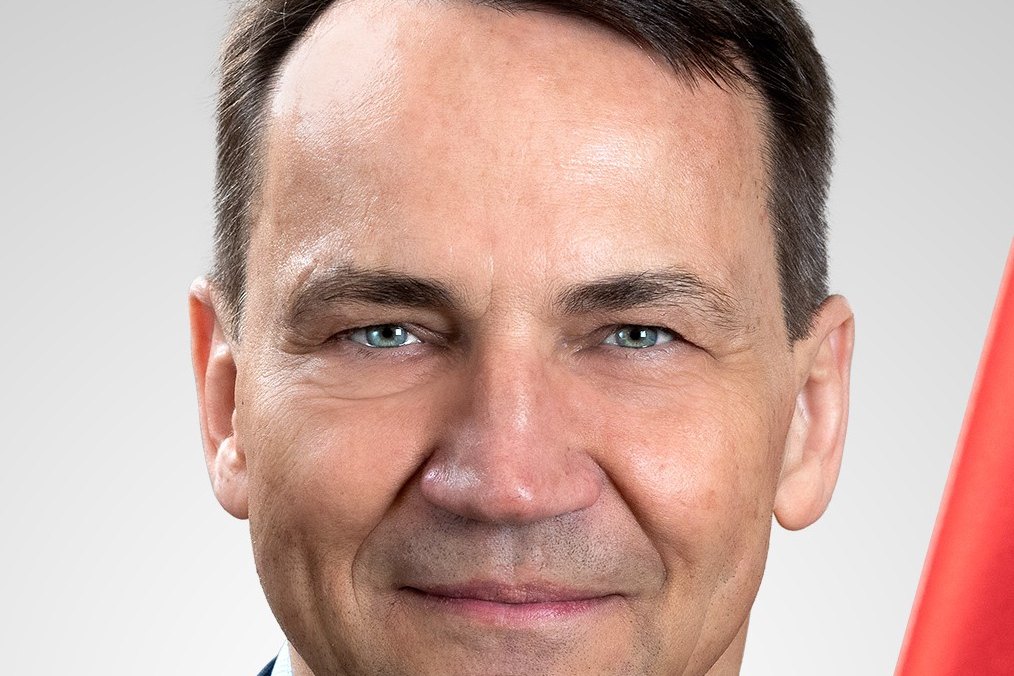
The next day, March 14, Polish Foreign Minister Radosław Sikorski flatly rejected the suggestion, calling it “Russian propaganda” designed to undermine Ukraine’s sovereignty and unity.
The immediate rebuttal
Sikorski, speaking to Polish media, reaffirmed that Poland’s support for Ukraine’s territorial integrity within its internationally recognized borders was unwavering — a position the country has held consistently since the 2022 Russian invasion. President Andrzej Duda also weighed in, stating bluntly that “Poland has no territorial ambitions in Ukraine” and that such claims are a diversion from Moscow’s own aggression. Poland’s rejection was categorical.
The message: any discussion of partitioning Ukraine is unacceptable, and the country’s future must be determined by Ukrainians alone.
The ground beneath the rhetoric
Those words carried weight because Poland has backed them with hard power. As of early 2024, Warsaw had provided military aid worth approximately $3 billion, including over 200 T-72 tanks, multiple rocket launchers, and training for Ukrainian soldiers. It also hosts over 1.5 million Ukrainian refugees — the largest number in the European Union.
That makes Poland not just a vocal ally but a frontline state in NATO’s eastern flank, where every Kremlin trial balloon is watched closely. The incident underscored a broader dynamic: Putin’s statement was widely seen as an attempt to fracture Western unity by baiting Poland into a historical trap.
The relationship between Poland and Ukraine has been complicated by events like the Volhynia massacre and post-war border shifts, and Moscow has shown a willingness to exploit those wounds.
What to watch next
With no signs of the war winding down, the trend underneath is clear. Poland will remain a key player — both as a NATO bulwark and as a logistical hub for aid. The question now is whether the Kremlin will revive the territorial partition line again as a pressure tool, or whether the firm Polish response of 2024 has closed that door for good.
Watch this space.
Sources
{“@context”: “https://schema.org”, “@type”: “NewsArticle”, “headline”: “Poland Rejects Putin’s Partition Claim, Backs Ukraine’s Integrity”, “description”: “WARSAW, July 28 — The shift is subtle but unmistakable: Kremlin messaging around Ukraine’s future sovereignty has been testing a narrative that directly implicates Poland….”, “datePublished”: “2026-07-28T09:30:00+00:00”, “author”: {“@type”: “Person”, “name”: “Maria Romano”}, “publisher”: {“@type”: “Organization”, “name”: “InfoPulse Today”, “url”: “https://newsfeed.infopulsetoday.com/”}, “citation”: [{“@type”: “CreativeWork”, “url”: “https://en.wikipedia.org/wiki/Poland”}]}




