
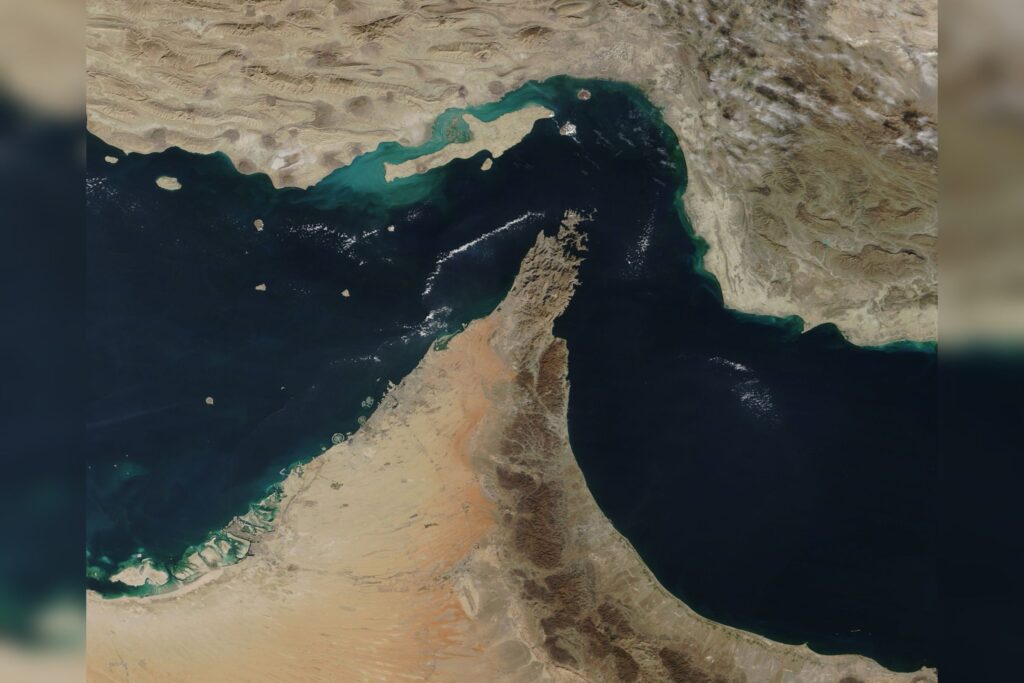
Seven days. That is the timeline Iranian Foreign Minister Seyed Abbas Araghchi laid out at the UN General Assembly for ending the conflict, reopening the Strait of Hormuz and putting nuclear negotiations with the United States back on track. The New York Times reported the outline.
Araghchi told reporters that Tehran had sent the roadmap to Washington through intermediaries. Under it, Iran would open the strait by the close of day seven, provided certain conditions were met. Nuclear talks would resume after that.
“We have introduced a plan to the United States through the intermediaries,” Araghchi said. He added that a deal struck before the US midterm elections would be better. By his account, the proposal broadly resembles the memorandum of understanding that Iran and the US reached in June.
Conditions and complaints
In a separate meeting with German Foreign Minister Johann Wadephul, Araghchi said Iran had passed along its “reasonable conditions and requirements” for restoring diplomacy. Regional security, he argued, could return only if what Tehran describes as aggressive US interventions against Iran came to an end.
He repeated that Iran remains committed to a diplomatic path on its nuclear programme. He also accused the US and Israel of carrying out military action against Iran while negotiations were under way, and he rejected efforts to make Tehran answerable for insecurity around the strait.
European governments came in for criticism too. Araghchi named Germany among those he said had failed to challenge US violations of international law. Restoring confidence in the United Nations, he said, would require every country to uphold the UN Charter and international law.
Pezeshkian’s account
President Masoud Pezeshkian struck a similar note in an interview with Fox News. He said the US was to blame for the collapse of the June settlement. Tehran was still ready to talk, he said, but Washington had chosen military action over negotiations.
Pezeshkian also claimed that Iran had never closed the Strait of Hormuz, and that the US damaged the diplomatic process by attacking Iran.
The conflict is now in its seventh month. The roadmap ties the waterway’s reopening directly to a return to nuclear talks, and the next step depends on whether Washington answers the conditions Iran has set out.




