
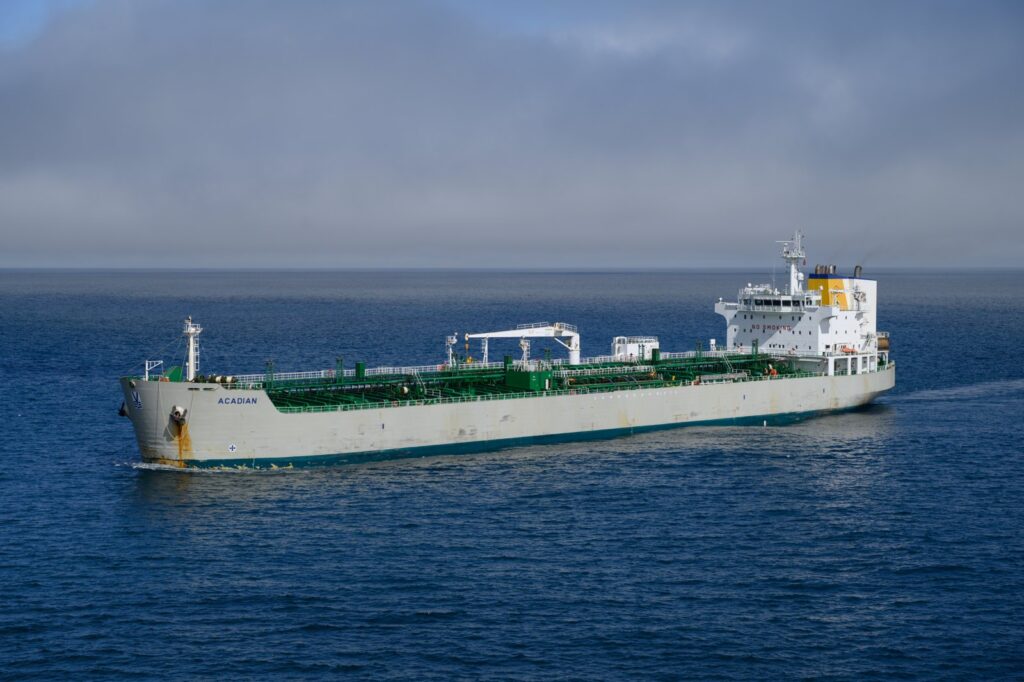
Two cargo ships have sunk near the Strait of Hormuz within 24 hours after being hit by projectiles in separate incidents, maritime officials said on Wednesday, October 15. The Singapore-flagged container ship GFS Pride went down while sailing through the strait on Tuesday, after it was damaged and caught fire. All 21 crew were evacuated safely, according to the Maritime and Port Authority of Singapore. The ship could carry 2,824 twenty-foot containers, and its UAE-based manager, GFS Ship Management FZE, could not be reached for comment.
The second vessel, the Antigua and Barbuda-flagged bulk carrier Cape Dao, sank weeks after a projectile struck it on September 23, IMO data show. One crew member died in that attack, and the rest were evacuated at once. Its manager, Peonies Shipmanagement FZE, also could not be reached.
Iran gave its own account. The IRGC navy said a container ship trying to use what it called an unauthorised, high-risk route through the strait hit a naval mine, exploded and burned fiercely, IRNA reported. It said the ship, carrying more than 2,500 containers, sank on Wednesday morning in the strait’s southern waters.
Third ship lost since the war began
An analysis of IMO casualty data shows the GFS Pride and Cape Dao are the second and third vessels to sink since the US-Iran war began on February 28. The first was the Malta-flagged container ship Safeen Prestige, struck by a projectile in March, which later sank north of the strait. The Singapore authority called the attacks unprovoked, unjustifiable and a breach of international law. Risk firm MARISKS noted that the danger is not limited to oil tankers, since container ships and bulk carriers are also being badly damaged.
Traffic and exports fall
Commercial traffic through the strait dropped to its lowest since July 22. Only six commercial ships got through on Monday, against 32 on October 8, 24 on October 9, 11 on October 10 and 12 on October 11. UK Maritime Trade Operations and other maritime security sources recorded at least 14 attacks, attempted strikes and obstructions in and around the strait between October 5 and 12, with six ships attacked on Monday alone.
Kpler data show Middle Eastern crude, petroleum and liquid chemical exports sliding from 21.1 million barrels a day on October 8 to 8.3 million on Tuesday. The weekly average of 17 million barrels still trailed the pre-war level of about 23.3 million. Houthi attacks on Saudi Arabia are also threatening passage through the Bab el-Mandeb Strait, which links the Red Sea to the Gulf of Aden.
Why the strait matters
Before the war, around a fifth of global oil and liquefied natural gas trade passed through the strait. Two senior Iranian officials told Reuters that Tehran has adopted new tactics against vessels it considers in violation of its restrictions, aiming to keep oil prices high and influence the US midterm elections. One said Iran intends to expand operations beyond the strait into the Gulf of Oman. Iran has said it is intensifying attacks in response to the US blockade of its ports and tighter sanctions imposed last month.
Sources
- Strait of Hormuz traffic plunges once again amid new wave of Houthi attacks | The Express Tribune
- Two ships sink near Strait of Hormuz after projectile attacks




