
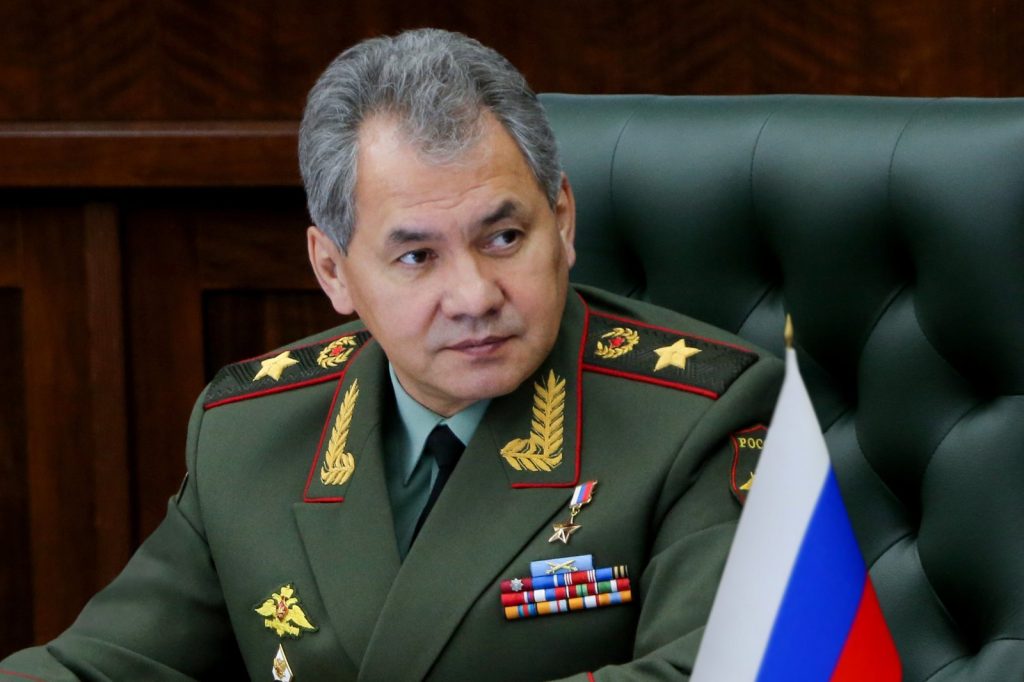
Military jets crossed the sky over Pyongyang and white balloons rose from the ground on Sunday, 26 April 2026, as Kim Jong Un and Russian Defence Minister Andrei Belousov pulled the cover from a statue. Behind it stood a new museum with a long name: the Memorial Museum of Combat Feats at the Overseas Military Operations. It honours North Koreans who died fighting Ukraine.
The timing was deliberate. Russia described the opening as falling on the first anniversary of its recovery of parts of the Kursk region. Ukraine had launched a surprise incursion there in August 2024, and Moscow says it regained full control a year later. Vladimir Putin sent Kim a telegram for the occasion, the Kremlin said, thanking him and the soldiers for helping to reclaim Kursk.
A plan, not yet a signature
Belousov did not come only for the ribbon-cutting. He sat down with Kim and with North Korean Defence Minister No Kwang, and afterwards described what the two militaries had settled. “We agreed with the DPRK Defense Ministry to place our military cooperation on a stable, long-term footing,” he said. Russia was ready, he added, to sign a plan “this year” covering 2027-2031.
That detail matters, because it corrects the shorthand version of events. The record shows an agreement on direction and a stated intention to sign, not a finished seven-year pact. What already exists is the deal Putin and Kim concluded in Pyongyang in June 2024, which commits each country to help the other if either faces “aggression”. Kim called that treaty the “strongest ever” at the time.
Belousov also handed military awards to North Korean servicemen who had fought in Kursk, according to DW. Russian state media and North Korean outlets both reported his arrival.
The Duma speaker arrives first
Belousov was the second senior Russian visitor in a matter of days. State Duma Chairman Vyacheslav Volodin reached the North Korean capital earlier and attended the inauguration ceremony. Kim met him as well. Volodin is described by the BBC as a close ally of Putin, which tells you the level at which Moscow wanted this week handled: defence ministry and parliament together.
Kim, for his part, promised Belousov that North Korea “will as ever fully support the policy of the Russian Federation to defend the national sovereignty, territorial integrity and security interests”, state media reported. He said Russia would “surely win a victory in the just sacred war”.
What is known about the troops
Numbers remain thin. Neither Pyongyang nor Moscow has published official figures. South Korean intelligence estimates that at least 15,000 North Korean soldiers were sent to help Russia retake western Kursk and that about 2,000 have died. Only two North Korean soldiers have been captured by Ukrainian forces, DW noted. In return, the BBC reports, North Korea is believed to have received food, money and technical help from Moscow.
The memorial turns a deployment that both governments long left unspoken into a public monument. Putin had already said as much in person. On the sidelines of China’s military parade in Beijing last September he told Kim, “Your soldiers fought courageously and heroically.” North Korea has also promised to send thousands of workers to help rebuild Kursk, so the relationship now reaches well beyond the battlefield.
Whether a plan for 2027-2031 is signed before the year ends is the next fact to watch.
Sources
- Russia, North Korea agree 'long-term' military cooperation
- Kim Jong Un opens memorial for N Korean soldiers killed in Ukraine war
- UAWire – Russian defense minister visits North Korea as Moscow and Pyongyang deepen military ties
Sources
- Putin in Pyongyang: Russia and North Korea claim strategic pact is…
- Russia, North Korea Sign ‘Strategic Partnership‘ Pact in Pyongyang




