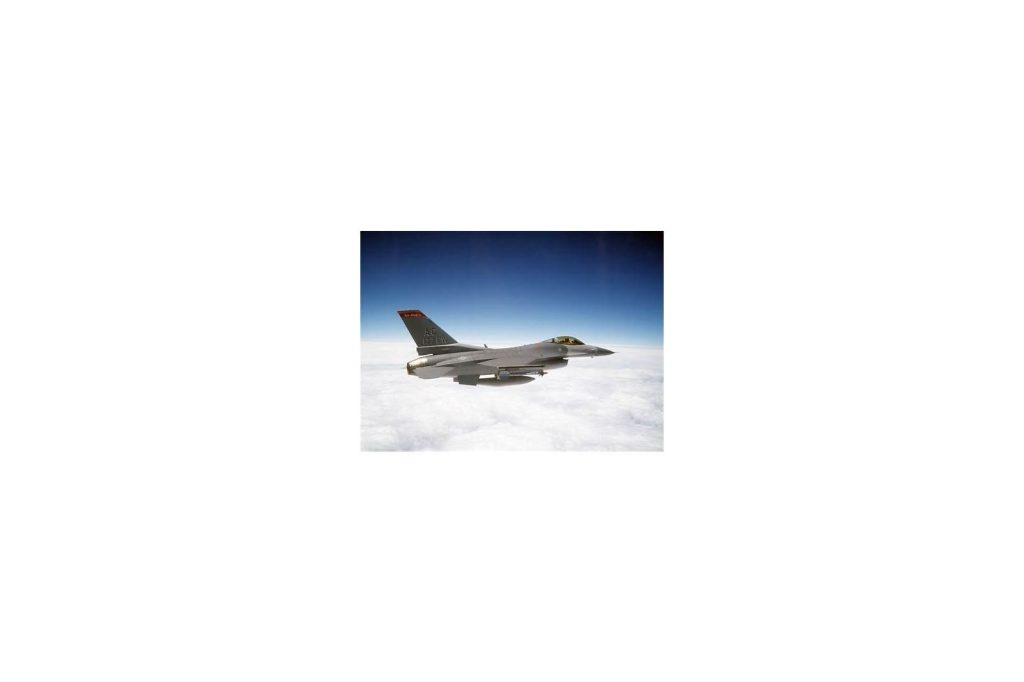
On [insert specific date], in the Black Sea region, NATO aircraft reportedly destroyed a suspected Russian sea drone near a critical Ukrainian gas facility, according to preliminary Ukrainian military sources. The incident, occurring in an area of sustained tension since Russia’s 2022 invasion, highlights the evolving nature of cross-border confrontations in Europe’s eastern flank. The targeted site, identified as [insert facility name], has faced repeated attacks during the conflict, though its exact strategic importance remains a point of ongoing analysis.
Ukrainian officials stated the drone originated from Russian-controlled waters, a claim Russia has not acknowledged. NATO, however, has not publicly confirmed the mission, maintaining operational discretion around such actions.
This event follows a series of similar incidents in the region, including earlier drone strikes and missile attacks that have become a grim pattern of escalation. The Black Sea, once a relatively stable maritime space, now serves as a frontline for indirect conflict, with both sides employing unmanned systems to strike strategic assets. The drone’s payload and exact capabilities remain under investigation, with no immediate reports of casualties or severe damage to the facility.
This lack of widespread destruction, while potentially reassuring, does not diminish the symbolic weight of the attack. For Ukraine, such incidents underscore the persistent threat to its energy infrastructure, a vulnerability that has shaped the war’s trajectory since its outset.
NATO’s Expanding Role in Ukrainian Defense
Russian officials have yet to respond to the allegations, a pattern that has characterized many incidents in the Black Sea. Moscow’s reluctance to confirm involvement often stems from a strategic calculus: denying responsibility while avoiding direct confrontation. This ambiguity complicates efforts to hold Russia accountable, as evidenced by the lack of official statements or countermeasures.
Meanwhile, Ukrainian authorities have not provided further details on the drone’s origin or purpose, leaving gaps in the narrative. The absence of concrete evidence—such as radar data or satellite imagery—has left the incident reliant on fragmented reports, a common challenge in the fog of war.
A key point of contention remains the facility itself. [Insert facility name], a site of strategic importance due to its role in energy production or distribution, has been a frequent target. Its repeated attacks reflect Russia’s broader strategy of disrupting Ukraine’s infrastructure to weaken its capacity to sustain the war effort. However, the specific significance of this facility in the current conflict is unclear.
Some experts suggest it may be part of a larger network of sites critical to Ukraine’s energy grid, while others caution against overestimating its role without verified data. The facility’s resilience or vulnerability remains a matter of speculation, though its history of bombardment underscores its value as a military objective.
Historical Context and Regional Implications
The European perspective on this matter is shaped by a mix of concern and pragmatism. For many in the continent, the Black Sea conflict represents a direct threat to energy security and regional stability. The destruction of infrastructure, even if localized, has ripple effects on supply chains and diplomatic relations.
NATO’s involvement, however measured, signals a collective acknowledgment of the risks posed by Russian aggression. Yet, the alliance’s reluctance to take overt action—such as declaring the war a NATO conflict—reflects a delicate balance between support and restraint.
This caution is not new; it has defined NATO’s approach since the war’s inception, prioritizing deterrence over direct intervention. The significance of this incident extends beyond the immediate military exchange. It serves as a reminder of the human and economic costs of prolonged conflict.
While no casualties were reported, the psychological impact on civilians near the facility cannot be ignored. Repair efforts, if any, would likely divert resources from other pressing needs.
Moreover, the incident may influence future NATO decisions regarding the use of force in support of Ukraine. As the war enters its fifth year, such actions could set precedents for how the alliance engages with asymmetric threats in the region.
Sources
- What we know as Nato jets destroy explosive-laden ‘Russian sea…
- Romania destroys drone near gas project, blames Russia – DW.com