
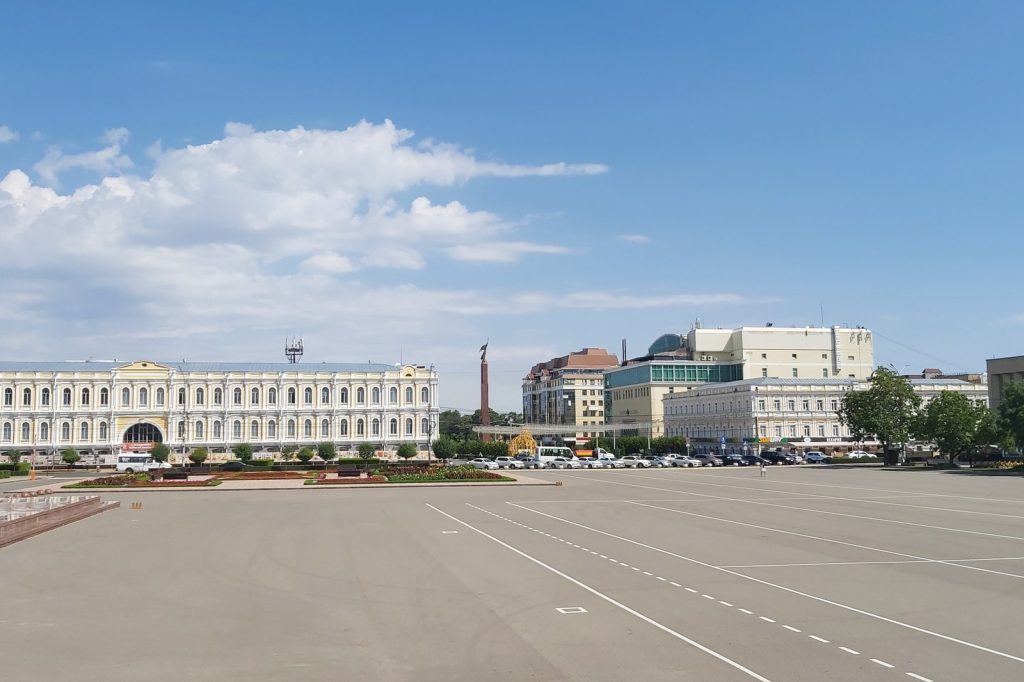
STAVROPOL, July 13 — The shift is unmistakable. A strike on an oil depot in Stavropol Krai on April 28, 2024, marks one of the deepest Ukrainian attacks into Russian territory, and the trend underneath is a rapid escalation in drone warfare capabilities. This is not a random hit.
Stavropol Krai, a federal subject of Russia in the North Caucasus region, sits roughly 1,500 kilometers from the Ukrainian border. The distance alone signals a new chapter in the conflict.
The region hosts significant oil and gas infrastructure, including pipelines and storage facilities that supply fuel to Russian military units operating in southern Ukraine. Hitting that supply chain, that far from the front, is a strategic game-changer. The April 28 attack highlights Ukraine’s growing drone range and capability.
It follows a pattern of deep strikes that includes an April 2024 attack on targets in Tatarstan, over 1,200 kilometers from Ukraine.
The Infrastructure Under Threat
Stavropol Krai has a population of about 2.8 million people as of 2021. The city of Stavropol, founded in 1777, is its largest city and capital. But the real story is what lies beneath and across the landscape: pipelines, storage depots, and fuel networks that supply fuel to Russian military units operating in southern Ukraine.
The attack on the oil depot was a direct hit on that logistical backbone. By striking 1,500 kilometers inside Russia, Ukrainian forces demonstrated they can now threaten assets previously considered safe from conventional attack.
The implications for Russian military planning are significant — every fuel depot, every pipeline junction, every storage facility from the border to the Caucasus now sits within potential range.
What’s Changing on the Battlefield
The trend underneath the Stavropol strike is a steady, documented expansion of Ukraine’s drone programs. The April 2024 attack on Tatarstan, over 1,200 kilometers from Ukraine, was already a record-breaker. Stavropol pushed that boundary further.
What’s changing is the strategic calculus. Russian forces can no longer assume deep rear areas are sanctuaries.
Fuel supplies and logistics hubs that were once out of reach are now in play. This forces Moscow to divert air defense systems and resources away from the front lines to protect critical infrastructure across a vast territory. The Stavropol Krai strike also carries a symbolic weight.
The city of Stavropol itself, founded in 1777, has a long history as a stable administrative center. That sense of security is now gone.
Looking Ahead
The April 28, 2024 attack on Stavropol Krai is not an isolated incident. It is part of a clear trajectory. Further deep strikes may occur as Ukraine continues to develop and deploy longer-range drones.
The question is not whether more Russian infrastructure will be hit, but how far and how fast the capability will grow. For Moscow, the challenge is immense.
Protecting every pipeline, depot, and storage facility across 1,500 kilometers of territory is a logistical nightmare. For Kyiv, the opportunity is clear: disrupt the fuel supply to southern Ukraine, and the entire Russian offensive posture there is weakened. The shift is real.
The distance is shrinking. And the war is entering a new phase where no Russian city, no matter how far from the border, can assume it is safe.




