
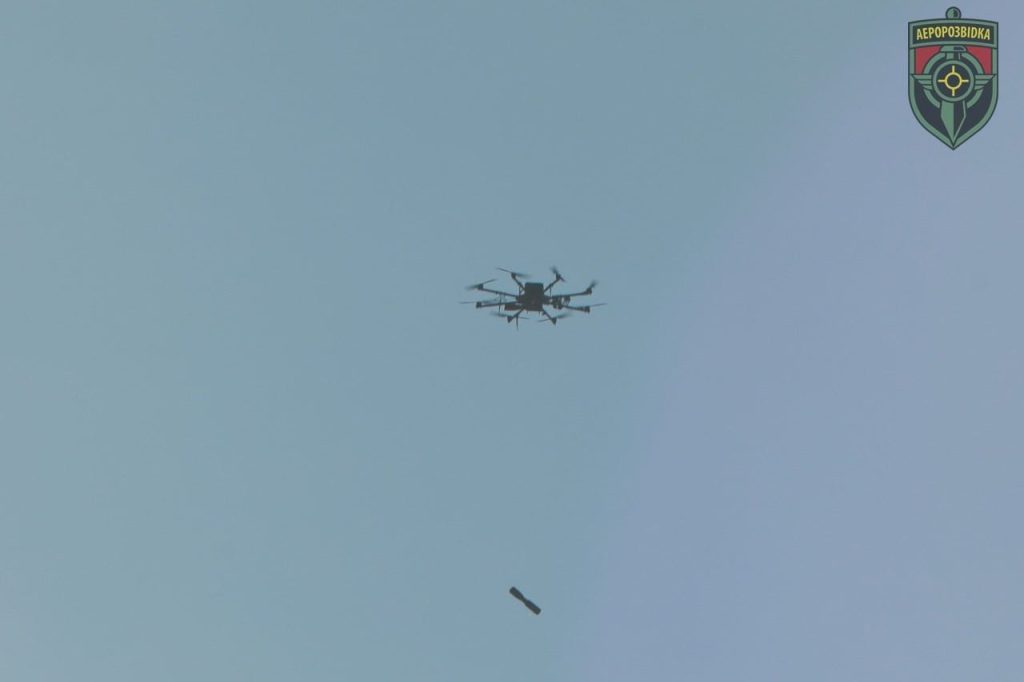
MOSCOW, July 13 — The mechanics of Ukraine’s long-range drone campaign are now on stark display in Moscow Oblast, a federal subject that rings the capital and holds over 8.5 million people. On March 1, 2025, explosions attributed to Ukrainian drone activity rattled the region. Russian air defense systems intercepted several of the incoming craft, but debris still hit the ground in some areas, causing damage.
The Russian Ministry of Defense reported no casualties from those incidents. The catch is that this is not an isolated event.
The March 1 strikes fit a pattern that began as early as August 2023, when drones struck near Moscow and forced the temporary closure of Vnukovo Airport. Each attack chips away at the narrative of a war kept safely distant from Russian cities.
Follow the distance
On closer reading, the most telling detail is the range. These drones — models like the UJ-22 and modified Soviet-era Tu-141 Strizh — are hitting targets over 500 kilometers from the Ukrainian border. That is not a symbolic gesture; it is a logistical and tactical statement.
Ukraine is demonstrating an increasing ability to reach deep into Russian territory, bypassing the front lines entirely. The strategic logic is straightforward.
By striking Moscow Oblast, Ukraine aims to undermine public morale inside Russia. But the harder military calculus is about forcing a redeployment. Every air defense system pulled back to protect the capital and its surrounding infrastructure is one less system at the front.
The Moscow Oblast hosts critical assets: military bases, logistics hubs, and the Moscow Ring Road itself, the artery that feeds the city. Protecting that ring draws resources away from the war in the east.
No casualties, but a shift
The Russian Defense Ministry’s report that no casualties occurred in the March 1 attacks is a carefully managed message. It acknowledges the event while trying to contain its psychological impact. But the absence of casualties does not erase the fact that Ukrainian drones are now a regular feature of life in the oblast.
The debris damage is a physical reminder that the war has a reach far beyond the Donbas. What to watch next is whether Ukraine scales up the frequency or payload of these strikes.
The UJ-22 and Tu-141 Strizh are not new platforms, but their sustained use over 500-kilometer distances suggests a production or supply chain that is holding together. If Moscow Oblast becomes a routine target, the Kremlin faces a choice: accept the vulnerability or thin out its front-line defenses. Either option carries a cost that will show up in the operational math of the war.




