
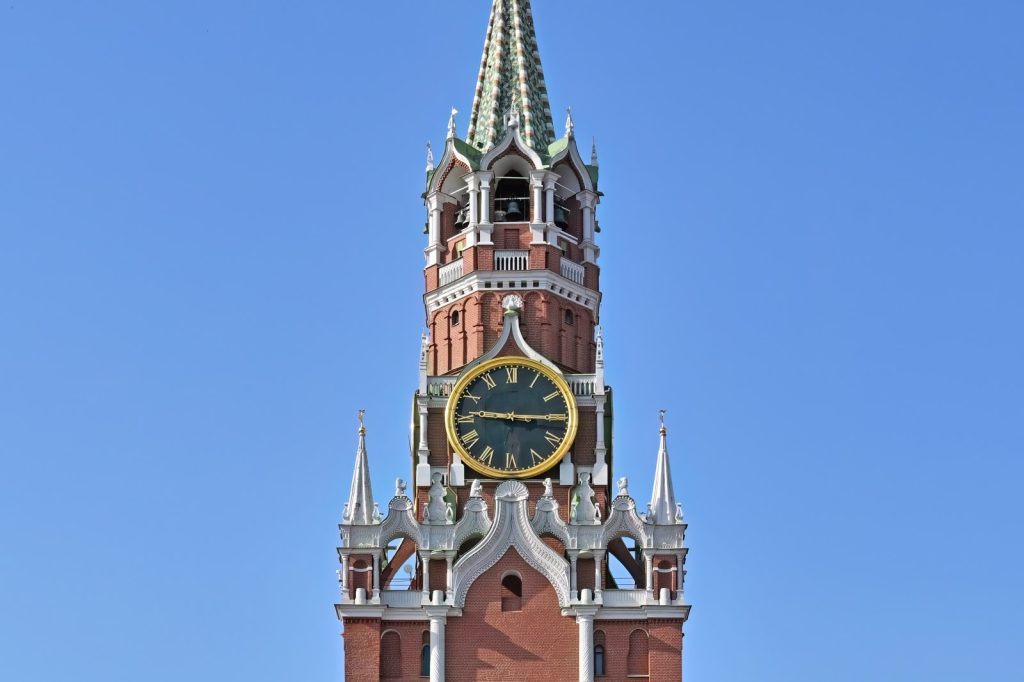
The Kremlin has labeled the Ukrainian drone strike on the Omsk refinery a “terrorist act” and promised retaliation, spokesman Dmitry Peskov said on Friday. The attack marks the first time fighting from the war in Ukraine has reached Siberia, fundamentally extending the conflict’s geographic reach. Officials in Moscow indicated that Russia may respond by intensifying its own long-range strikes on Ukrainian energy infrastructure, a pattern of escalation that has followed previous Ukrainian drone operations.
In October 2022, Russia launched a campaign of missile strikes against Ukrainian power grids, resulting in widespread blackouts. Analysts now expect Russia could deploy additional electronic warfare systems to jam Ukrainian drone signals or station more S-400 air defense systems near key refineries.
The strike may also prompt Russia to relocate some refinery operations to safer locations, though officials acknowledged such a move is logistically difficult.
Conflict Reaches the Siberian Heartland
Omsk, the administrative center and largest city of Omsk Oblast in southwestern Siberia, lies deep within Russia’s interior. It serves as a major transport hub for the Irtysh River and the Trans-Siberian Railway. The city’s strategic importance dates to its founding as a fortress in 1714, established to protect trade routes to China. During the Imperial era, it became the seat of the Governor General of Western Siberia, and between 1918 and 1920 it functioned as the capital of the anti-Bolshevik Russian State, even holding the imperial gold reserves.
Today, Omsk is one of the largest urban centers in Siberia and a key hub for regional administration and industry. Because it is situated far from the borders where the current war began, the city has historically remained outside the conflict zone.
The drone strike demonstrates that targets far from the front lines are now vulnerable, representing a significant shift in the war’s geographic scope. This expansion could affect Russian fuel supplies and, by extension, impact global energy markets.
Potential Russian Responses and Strategic Implications
Ukraine is expected to continue its drone campaign with the aim of disrupting Russian fuel supplies ahead of the 2024 summer offensive, according to the assessment. The United States and NATO have not publicly commented on the Omsk strike, but have previously stated that Ukraine has the right to strike legitimate military targets inside Russia.
In January 2024, the International Energy Agency warned that Ukrainian drone strikes could reduce Russian refined product exports by 10-15% in 2024, affecting global fuel markets. Energy analysts tracking the campaign now say that projection appears more likely to materialize following the Omsk attack. What remains to be seen is whether Russia’s promised retaliation will follow the pattern set after previous Ukrainian drone attacks—intensified strikes on Ukrainian energy infrastructure—or take a new form. The Kremlin’s response, officials confirmed, could include a combination of the options already under consideration, from heavier electronic warfare to redeploying air defense systems.
Each option carries its own logistical and operational costs, and the relocation of refinery operations remains an acknowledged challenge. As the conflict reaches deeper into Russian territory, the consequences for both sides—and for global energy markets—continue to unfold.
Sources
- Black smoke rises over Russia’s largest oil refinery… — Meduza
- Ukraine strikes Russia's Omsk oil refinery in Siberia, General Staff…




