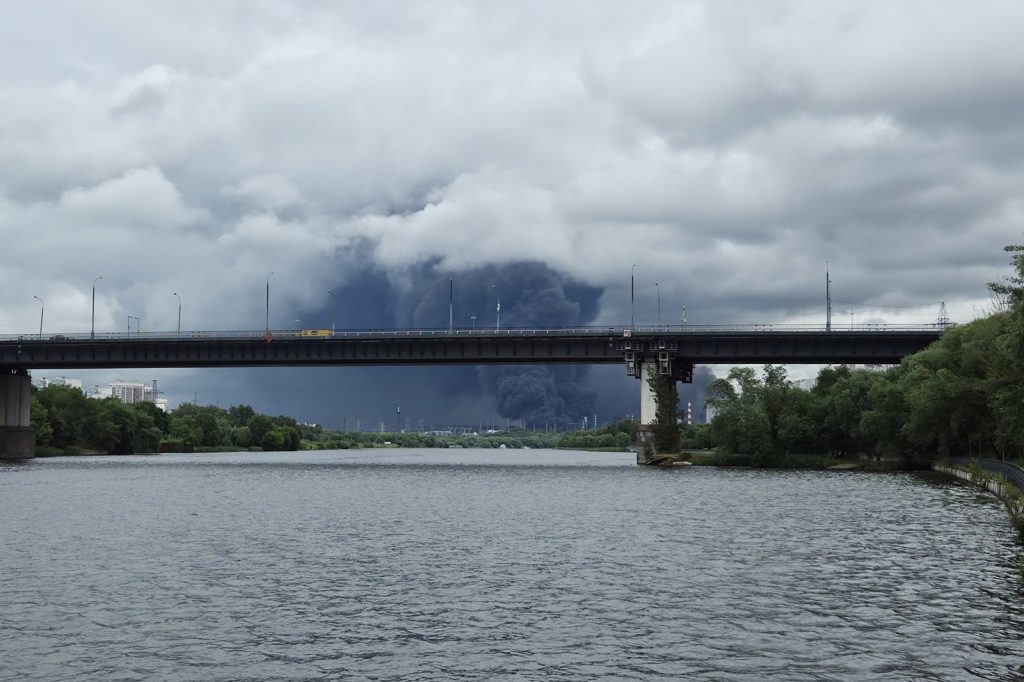
Russia’s Leningrad Oblast lies some 600 kilometers from the nearest corner of Ukraine. On April 15, its governor called it a “frontline” region, pointing out that 243 Ukrainian drones had been shot down over the province from January through March. Some got through. Oil terminals on the Gulf of Finland and refineries inland, around Vladimir Putin’s hometown of St. Petersburg, have been among the hardest hit, RFE/RL reported.
The strikes have also reached Tuapse on the Black Sea, where residents said oily droplets fell during a run of attacks. Putin cut back the May 9 Victory Day parade in Red Square, which will go ahead without tanks or intercontinental ballistic missiles for the first time in almost 20 years. Smaller parades in several cities were cancelled.
Counting the drones
French open-source researcher Clement Molin estimated that Ukraine launched about 1,000 drones into Russia in August 2024, 3,000 in July 2025 and 7,000 in March, the first month in which it sent more than Russia sent into Ukraine. The total dipped moderately in April. Moscow’s own claims about drones shot down are unreliable, which complicates any tally.
John Helin, co-founder of the Black Bird Group, urged caution. “I would be careful about drawing too strong conclusions from the raw figures alone…. That said, the broader trend is real,” he told RFE/RL. He said success should be judged by what was hit, how often and how deep, and whether strikes forced Russia to spread out its air defenses or cut refinery output. “On those counts it’s clear that the Ukrainian long-range campaign is becoming increasingly effective,” Helin said.
Bloomberg News counted at least 21 Ukrainian strikes on Russian oil infrastructure in April, nine of them on processing facilities. Crude processing fell to its lowest level since 2009.
Going after air defenses
Defense Minister Mykhaylo Fedorov said in late April that Kyiv bought more drones in his first three months than in all of last year. At a Gunsmith Day demonstration, President Volodymyr Zelenskyy showed more than 30 types.
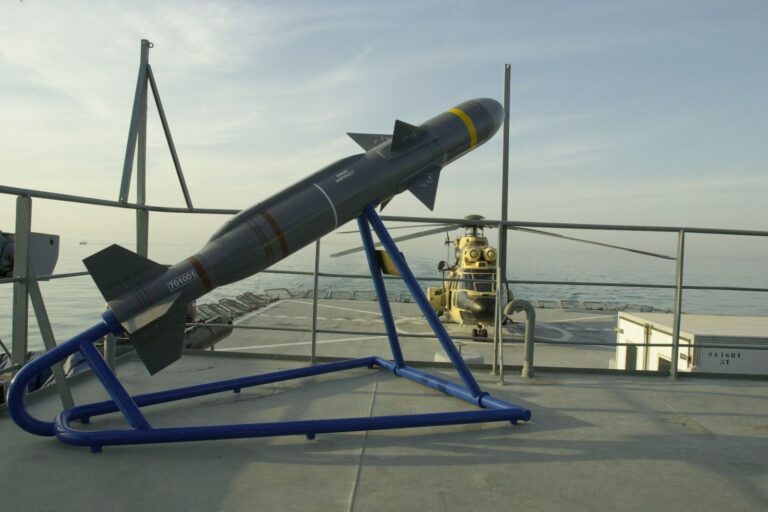
Oleksandr Karpyuk, a soldier with the 59th Assault Brigade who goes by Serge Marco, described the method. Drones first draw down Russian air defenses, he said, and then missiles follow. “They take out the air defense systems — and that means some Flamingos, with a 1,000-kilogram warhead, can strike [the targets] with ease.”
Zelenskyy said Ukraine fired several Flamingo cruise missiles on May 5, including at a plant in Cheboksary, about 1,200 kilometers away, that makes navigation components for Russia’s military. The regional governor reported at least two dead and more than 30 injured.
Unmanned Systems Forces commander Robert Brovdi said his troops destroyed 41 Russian air defense units in March, after 54 over the previous three months. Oryx, which tracks equipment losses, counted 18 destroyed or damaged surface-to-air systems and seven radars in March.
Fabian Hoffmann of the University of Oslo argued that Russia’s size makes it vulnerable, since losing one system can leave a whole area uncovered. He wrote that the campaign “alone does not win Ukraine the war,” but that its cumulative effects are “real, bearing meaningfully on Russia’s budget and planning.”