ISLAMABAD, July 7 — The United States has confirmed that Iran has resumed attacks on commercial shipping in the Strait of Hormuz, a strategic waterway that connects the Persian Gulf to the Gulf of Oman. This marks a significant escalation in a region already on edge.
According to U.S. Central Command, Iran has seized at least two tankers since early May 2025. The attacks come after a period of relative calm that followed a 2023 agreement under which Iran released some previously seized vessels. The Strait of Hormuz is a vital chokepoint for global oil shipments, with about 20 million barrels per day passing through, representing roughly 20% of global petroleum consumption.
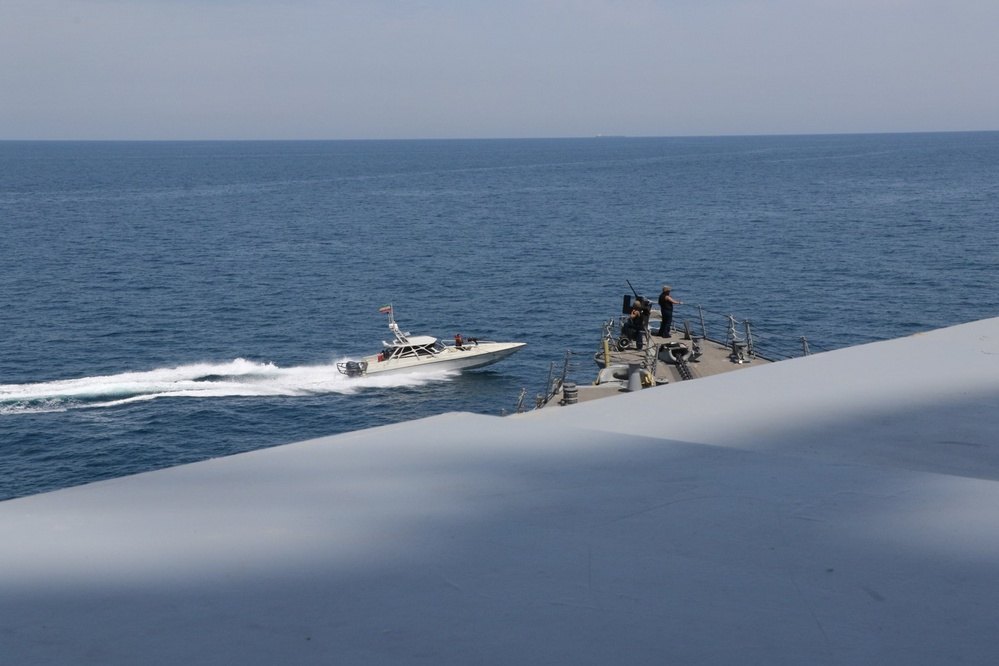
The U.S. Navy’s Fifth Fleet, based in Bahrain, has increased patrols in the area. Iran’s Islamic Revolutionary Guard Corps (IRGC) has historically used speedboats and mines to disrupt shipping. The U.S. has not announced a military response but stated it is consulting with allies, including the United Kingdom and Saudi Arabia, to ensure freedom of navigation.
The early findings suggest this could be a sustained campaign rather than isolated incidents. For patients of global markets, the encouraging part is that the U.S. and its allies are actively discussing next steps. Talk to your energy analyst if you are concerned about supply chains.
Brent crude rose 3% to $85 per barrel on the news, a move that threatens to disrupt global oil supplies and raise energy prices. The attacks could have ripple effects far beyond the region, affecting economies worldwide.
The U.S. administration, under President Donald Trump, has not detailed a specific military response. Vice President JD Vance and Secretary of State Marco Rubio have been involved in consultations with allies. The situation remains fluid, and patients should monitor official channels for updates.
What to watch next: whether the IRGC’s use of speedboats and mines will require a broader naval response, and how allies like the United Kingdom and Saudi Arabia will coordinate their efforts. For now, the Strait of Hormuz remains a flashpoint, and the world is watching. Talk to your doctor if you have concerns about the broader implications for global stability.