
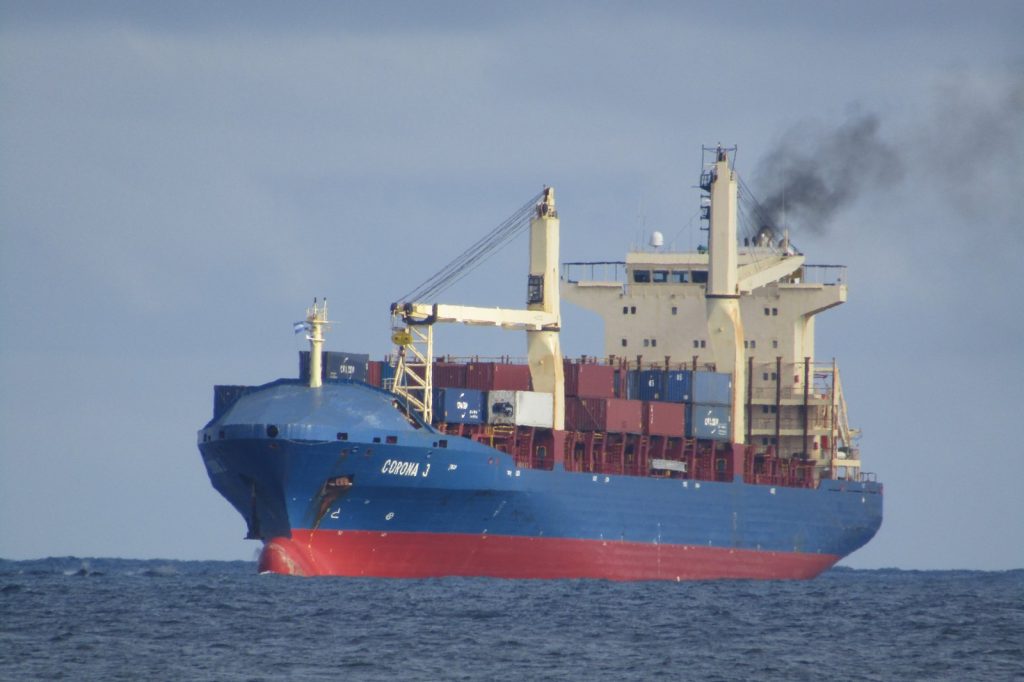
How Insurers Are Forcing Ships to Pay a 300% Premium to Cross the Strait of Hormuz
Insurers are now charging commercial vessels a 300% premium for war-risk coverage when transiting the Strait of Hormuz, according to industry sources. This tripling of costs—applied since 2023—reflects a radical reassessment of risk as attacks on ships in the waterway have surged, with three strikes confirmed this week alone despite attempts by vessels to evade tracking by switching off their systems. The move signals that insurers are treating the Strait as an active conflict zone rather than a theoretical risk, forcing shippers to weigh the cost of rerouting around Africa against the financial and logistical nightmare of delayed cargo and skyrocketing premiums.
The Strait of Hormuz, a 104-mile channel between Iran and the Musandam Peninsula of Oman and the UAE, is the world’s most strategically vulnerable chokepoint. It handles 20% of global liquefied natural gas and 25% of seaborne oil trade annually, making it indispensable to Europe and Asia’s energy supplies. Before the 2026 Iran War, the Strait had never been closed for extended periods, but Iranian blockades during the conflict forced a permanent shift in risk models. Now, insurers at Lloyd’s of London and other underwriters are tightening exclusions for Strait transits, requiring explicit war-risk endorsements that are often denied unless vessels take extreme evasive routes—such as reducing speed to minimize exposure, which adds 2–3 days per voyage.
The Cost of Avoidance: Why Shippers Are Paying Millions to Go Around
Rerouting oil tankers via the Cape of Good Hope adds $1.5 million per voyage in fuel and time costs, while increasing transit time by 10–14 days, according to industry estimates. For smaller vessels, such as LNG carriers, the financial hit is disproportionate: their slower speeds and limited defensive measures make them more vulnerable to attacks, leading to even higher premium spikes. Gulf exporters—including the UAE, Qatar, and Iraq—are already diverting 15–20% of shipments to alternative routes, but the strain on supply chains is growing. European refiners are stockpiling crude to mitigate shortages, with some contracts now including “Hormuz clause” penalties for delayed deliveries.
The broader stakes are clear. If attacks persist, permanent rerouting could push global oil prices up by $5–10 per barrel, with Asia’s refiners bearing the brunt of higher costs. The Musandam Peninsula remains a flashpoint, with attacks increasingly targeting commercial vessels rather than just military assets. Without a direct U.S. or EU military presence to deter strikes, insurers are left relying on private armed guards, which add $500,000–$1 million per voyage—a cost that further erodes margins for already squeezed shippers.
The calculus for insurers is simple: the Strait is no longer a speculative risk. The 2026 Strait of Hormuz crisis proved that Iranian threats to “close the Strait” were not bluffs, but a capability backed by sustained attacks. This has forced underwriters to treat the waterway as an active war zone, where the cost of coverage reflects the likelihood of disruption rather than historical averages.
A Geopolitical Chessboard: Who Wins and Loses as Risk Prices Spike
The premium hikes are reshaping global trade flows in ways that favor certain players while punishing others. Major carriers like Maersk have reduced transit speeds in the Strait to minimize exposure, but the delays add to operational costs. Smaller operators, particularly those transporting LNG, face the sharpest pain, as their vessels are slower and less able to defend against attacks. Gulf exporters are caught between the need to move oil and the rising cost of insurance, while European and Asian refiners must now factor in the risk of prolonged disruptions.
Iran’s blockade threats were triggered by U.S. sanctions and strikes, creating a feedback loop where insurance costs rise as geopolitical tensions escalate. The lack of a direct U.S. or EU military presence to deter attacks leaves insurers with few options beyond pricing risk aggressively. This signals a broader shift: the Strait of Hormuz is no longer a passive trade route but a contested zone where the cost of passage is determined by the balance of power between Iran and its adversaries.
The question now is whether the premium spikes will force a permanent rerouting of global trade—or whether insurers will eventually accept that the Strait remains too risky to cover at any price. For now, the answer lies in the numbers: $1.5 million per voyage to go around, a 300% premium to cross, and the knowledge that the next attack could make the choice moot.
What This Signals for Global Energy Markets
The insurance crisis in the Strait of Hormuz is more than a shipping problem—it is a warning for energy markets. The Strait’s disruption has already forced Gulf exporters to divert cargo, and if attacks escalate, the rerouting could become permanent. This would not only raise oil prices but also accelerate the shift toward alternative supply routes, such as the Arctic or East African corridors, which are already being explored as less risky alternatives.
The broader stakes extend beyond economics. Iran’s ability to disrupt the Strait without direct military confrontation has demonstrated that asymmetrical warfare can reshape global trade flows. For the U.S. and its allies, this underscores the limits of sanctions and the need for a more robust deterrent strategy. For shippers, the message is clear: the cost of doing business in the Middle East has just gotten a lot more expensive.
What this signals is a new era of risk assessment in maritime trade. The Strait of Hormuz is no longer a static chokepoint but a dynamic battleground where the calculus of cost, time, and security is constantly recalibrated. The premiums reflect that reality—and they will keep rising as long as the attacks continue.
Sources
- Strait of Hormuz
- Ships in Strait of Hormuz still face "indiscriminate attacks," maritime monitor warns
- Strait of Hormuz still unsafe for ships, maritime group warns
Photo: Łukasz Golowanow (Attribution)




