“The United States of America undertakes with regional partners to develop a definitive, mutually agreed plan with at least $300 billion for the reconstruction and economic development of the Islamic Republic of Iran.”
That line from the US-Iran memorandum of understanding carries the biggest figure in a preliminary accord, one that is not final. Both sides have 60 days to negotiate a comprehensive deal, according to the Economic Times, and officials concede that major obstacles remain.
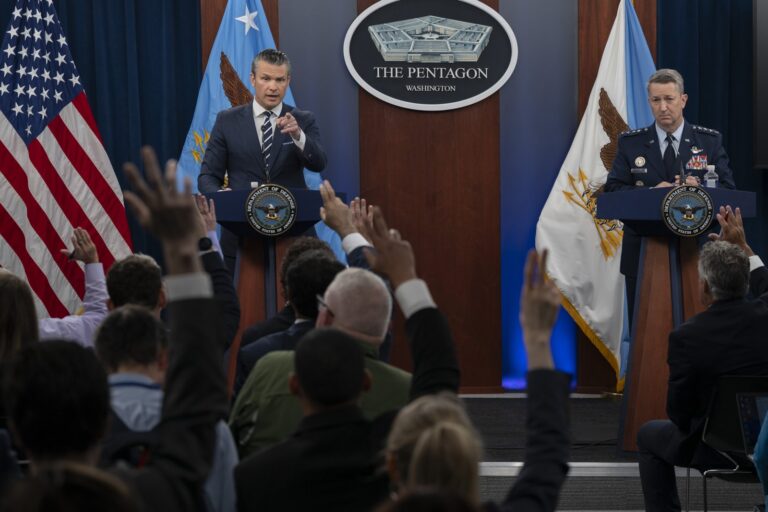
A US official told Reuters the next round of talks would center on the order in which each side acts. “I think the meeting in Switzerland will be quite critical in order to really see how we get to the next phase,” the official said. Both parties must agree on the full scope of their commitments, the official added, and then “come up with a sequencing agreement on who’s going to do what when.”
Sanctions and frozen funds
For Iran, the main prize is relief from sanctions. Under the memorandum, Washington would work toward lifting a wide range of them: unilateral US measures, plus restrictions tied to the UN Security Council and the International Atomic Energy Agency.
The text also covers money held abroad. Procedures are to be settled during the negotiations, but the memorandum says the United States “undertakes to make fully available for use the frozen or restricted funds and assets of the Islamic Republic of Iran upon the implementation of this MOU.”
Blockade and nuclear terms
The military section is shorter. As soon as the memorandum is signed, the United States will begin removing its naval blockade and what the text calls “any disturbances or impediments” against Iran. US forces would pull back from areas near Iran within 30 days of a final agreement.
On the nuclear file, Iran reaffirms that it “shall not procure or develop nuclear weapons.” It has also agreed to discuss its stockpile of enriched material under IAEA supervision. The future of enrichment is left for the final deal. In the meantime, Iran freezes nuclear activity at current levels and the United States holds off on new sanctions.
Strait of Hormuz
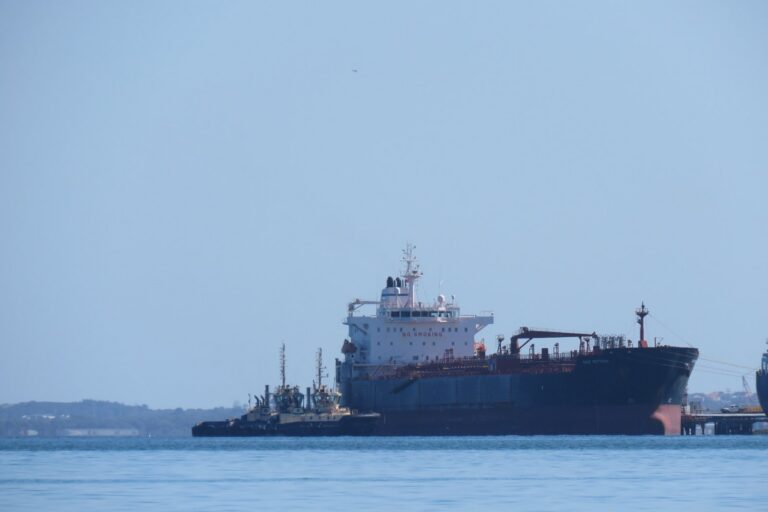
Shipping through the strait is the piece that matters most to the wider world, since it carries a large share of global oil and gas. Iran commits to “best efforts for the safe passage of commercial vessels with no charge, for 60 days only.” Talks with Oman and other Gulf states on running the waterway and its maritime services are also called for.
An executive mechanism would monitor the implementation of the memorandum and compliance with the eventual final deal.
Several of the hardest questions are still open. The two countries have yet to agree on the timing of sanctions relief, nuclear restrictions, economic cooperation and security guarantees.