
The ceasefire in Lebanon that took effect around 4 pm Friday was not a standalone event. It was a lever. And now, with the guns along Israel’s northern border gone quiet, the real work begins in Switzerland.
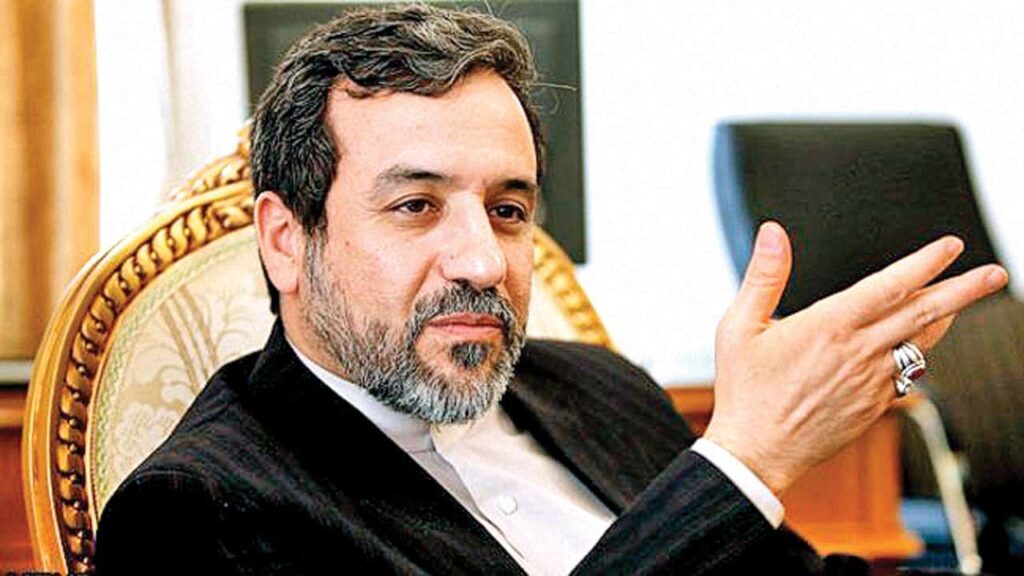
US envoy Steve Witkoff is headed there to join Jared Kushner, President Trump’s son-in-law, who is already on the ground. Iranian Foreign Minister Abbas Aragchi plans to travel Saturday.
Both sides are sending representatives. That alone signals a shift. For months, the fighting between Israel and Hezbollah had cast a long shadow over US-Iran talks.
Those talks are critical to reopening the Strait of Hormuz and stabilising oil supplies. A senior US official confirmed the ceasefire was worked out with help from Iran.
That detail matters. It means Tehran had enough influence over Hezbollah to stop the fighting — or at least chose to use that influence now. The 14-point memorandum signed by Israel and Hezbollah this week to halt fighting and open a window to resolve disputes over Iran’s nuclear programme is a step in the right direction, according to the report.
But a step is not a destination. The ceasefire in Lebanon has revived efforts to turn an interim Iran war pact into a lasting regional deal. That is the prize.
A senior Israeli official confirmed the ceasefire, saying, “If Hezbollah does not attack us, then for us it is not a time of war.” Israel will keep its forces in southern Lebanon, where it has occupied an area along its northern border. Two sources from Hezbollah also confirm the ceasefire.
The situation in Lebanon was a major obstacle to US-Iran talks. Now that obstacle is, at least temporarily, removed. The question is what comes next in Switzerland.
The fact that both sides are sending representatives may signal that they intend to begin technical negotiations aimed at securing a permanent truce. Technical negotiations.
That is the language of diplomats working out the hard details — verification, timelines, sanctions relief, the scope of any nuclear restrictions. Witkoff and Kushner are not in Switzerland for a photo op. They are there because the White House sees a window.
The White House did not respond to questions about Witkoff’s travel, but the movement itself is the answer. If the talks are successful, it could lead to a more stable region and secure oil supplies. That is a big if.
But the alternative — a return to fighting, a closed Strait of Hormuz, spiking oil prices — is worse for everyone. There is no guarantee this holds.
Ceasefires in Lebanon have a history of fraying. Hezbollah has not disarmed. Israel has not withdrawn.
The 14-point memorandum is a piece of paper. But it is a piece of paper that, for now, has stopped the exchange of fire.
And that has created a window of opportunity for the US and Iran to make progress on a lasting deal. What happens in Switzerland over the coming days will test whether that window is real or just a pause before the next crisis. The envoys are heading there.
The stakes are clear. The region is watching.




