
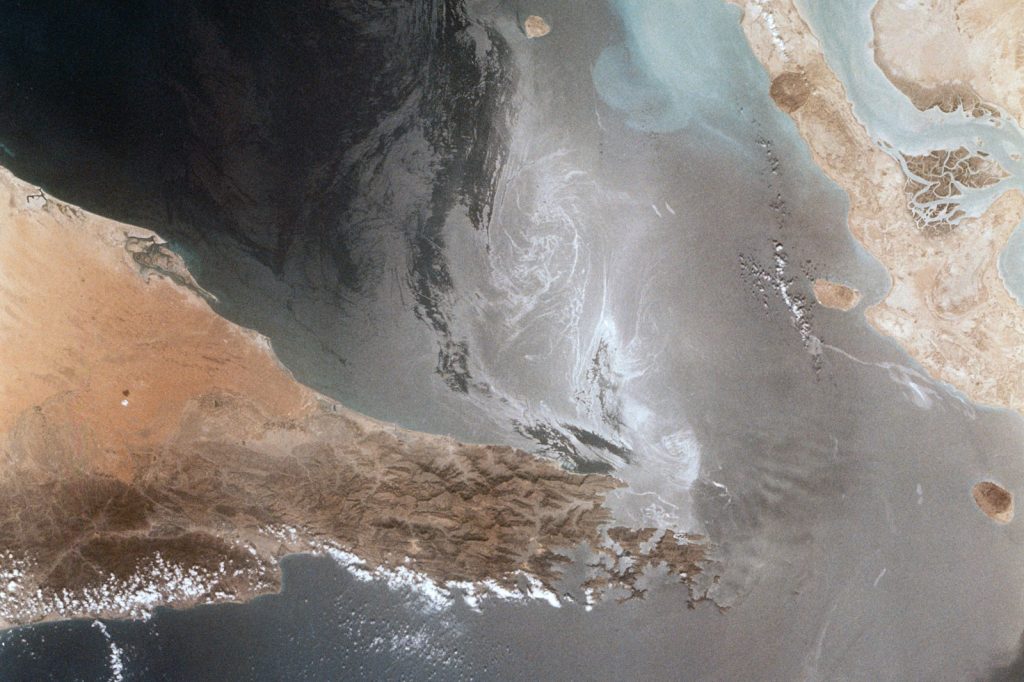
The shift is in what Tehran is putting on the table. By Friday, the Mehr news agency, which is semi-official in Iran, had laid out a 14-point proposal for a deal with Washington, and the pitch was simple: the Strait of Hormuz reopens, oil sanctions come off, and the two sides then sit down for the harder talks.
Mehr said Iran would not begin final negotiations until three things happened. Half of its frozen funds would be released, oil sanctions suspended and the naval blockade lifted. The Iranian-published text puts the frozen money at $24 billion, to be freed within 60 days, and half of that sum would reach Iran after signing but before talks begin.
What the 14 points say
The list starts with an immediate, permanent ceasefire on every front, Lebanon included. Washington would promise to respect Iran’s sovereignty and stay out of its domestic affairs. The maritime blockade would be fully lifted within 30 days, and Hormuz would be open to shipping again inside 30 days, on terms Iran arranges. US forces would pull back from Iran’s vicinity.
Sanctions on the sale of oil, petrochemicals and their derivatives would be suspended, with Iran getting full access to the money those sales earn. Washington and its allies would have to table reconstruction plans worth no less than $300 billion. Both sides would then have 60 days to negotiate a final agreement covering the nuclear file and the full lifting of US sanctions, backed in the end by a UN Security Council resolution.
Competing drafts
There was not one text but at least three, and they did not agree. All of them covered the reopening of Hormuz, sanctions relief for Iran and the start of longer talks on its nuclear program. They split on money. An Iranian official told Reuters that one draft let $25 billion of frozen assets go. The text Bloomberg saw contained no such clause, and it set a minimum of $300 billion for rebuilding and developing Iran only if a final deal came together.
Washington played down the cash angle. Vice President JD Vance said the Iranians were “not receiving any cash” simply for signing a deal. Iran’s Foreign Ministry spokesman, Esmaeil Baghaei, said the text was almost final in its main parts, and blamed the “contradictory positions of the United States” for the turbulence.
A deadline tied to a birthday
President Donald Trump had promised a signing by Sunday, his 80th birthday. That afternoon Fox News cited him as predicting a signature in two to three hours. Then Israel’s military hit Beirut, explaining that Hezbollah had sent more projectiles into the north of Israel. Trump posted a demand that Israel end its attacks on Lebanon. “We are very close to a Deal that will bring peace to the region, including to Lebanon, and all sides should stand down,” he wrote.
The war itself started on February 28, when American and Israeli missiles hit Iran. Days after the drafts circulated, on June 17, Trump signed the memorandum at the Palace of Versailles, and Iran’s president, Masoud Pezeshkian, signed a copy separately.
Sources
- Iran pushes differing versions of deal as U.S. sticks to timeline (Fortune/Bloomberg)
- Mother Of All 'Ifs': Trump Officials Claim Iran Deal Delivers Peace, Inspections & Hormuz Reopening (Era of Light liveblog quoting Mehr)
- Trump and Iran's president sign initial deal to end war, open Strait of Hormuz and ease sanctions (NBC News)




