
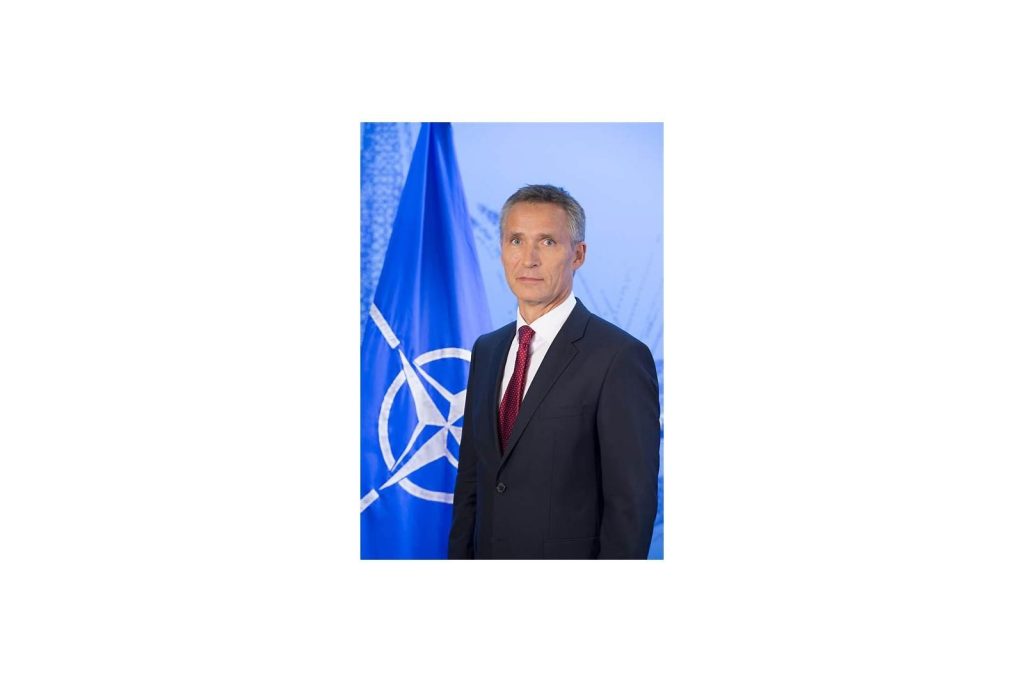
Jens Stoltenberg walked into the Washington summit as secretary general for the last time. He will leave the job when his successor takes over later this year. The man who led NATO through the Russian invasion of Ukraine, through Finland and Sweden joining the alliance, through the chaotic withdrawal from Afghanistan, chaired his final meeting of thirty-two heads of state and government.
The summit ran from July 9 to July 11 in Washington, D.C. It was the fourth NATO summit held inside the United States. The first was in 1978, also in Washington.
Then came 1999, again in the capital. The third was in Chicago, 2012. This one returned to the city where the alliance was born seventy-five years earlier, on April 4, 1949, when twelve nations signed the North Atlantic Treaty.
Sweden sat at the table as a full member for the first time. That fact alone tells you something about how much the alliance has changed since 1949.
Sweden stayed neutral through two world wars and the entire Cold War. After Russia invaded Ukraine in 2022, Sweden dropped neutrality and applied to join NATO. The application cleared all thirty member parliaments earlier this year.
The Washington summit was the first gathering with the Swedish flag on the dais alongside the others. Finland joined in 2023. That means the entire Nordic region is now inside the alliance.
The Baltic Sea is ringed by NATO members except for Russia’s small coastline around Kaliningrad and St. Petersburg. Military planners now talk about the Baltic as a NATO lake.
That was unthinkable a decade ago. The summit also marked the anniversary. Seventy-five years is a long time for a military alliance.
Most don’t last that long. The Warsaw Pact lasted thirty-six years.
NATO kept going after the Soviet Union collapsed, after the Cold War ended, after its original purpose vanished. It found new purposes. It fought in the Balkans.
It went to Afghanistan. It expanded eastward into former Warsaw Pact countries. Then Russia invaded Ukraine in 2014 and again in 2022, and NATO found its old purpose again: collective defense against a revanchist Russia.
Stoltenberg has been secretary general since 2014. That is a decade of managing an alliance that sometimes seemed to be pulling apart.
He dealt with President Donald Trump demanding that European members pay more. He dealt with the pandemic. He dealt with the war in Ukraine.
He kept the alliance together through all of it. The Washington summit was his last chance to shape the agenda before he hands over the gavel.
The summit brought together heads of state and government from all thirty-two members, plus partner countries and the European Union. They met in a city that has hosted the alliance before. Washington is where NATO was signed.
Washington is where the alliance celebrated its twentieth anniversary in 1969, its thirtieth in 1979, its fiftieth in 1999. Now the seventy-fifth. The decisions made in Washington will shape the alliance for the next few years.
Defense spending is rising across Europe. Germany has committed to spending two percent of GDP on defense, a milestone it had avoided for decades.
Poland is spending more than four percent. The Baltic states are spending heavily. The United States remains the largest contributor by far, but the burden is shifting.
Ukraine was not at the table as a member. The summit reaffirmed that Ukraine will join NATO someday, but not while the war is ongoing.
That is the same position the alliance has held since 2008, when it declared that Ukraine and Georgia would become members but gave no timeline. The war has not changed that position. The summit ended on July 11.
Stoltenberg left Washington a few days later. His successor will inherit an alliance that is larger, more focused, and more active than it has been in decades. That is the legacy of the 2024 Washington summit.




