
The Russian invasion of Ukraine, launched on February 24, 2022, was designed to be a short campaign. Troops advanced from Russia, Belarus, and Crimea in a multi-front attack aimed squarely at capturing Kyiv and ending Ukrainian sovereignty.
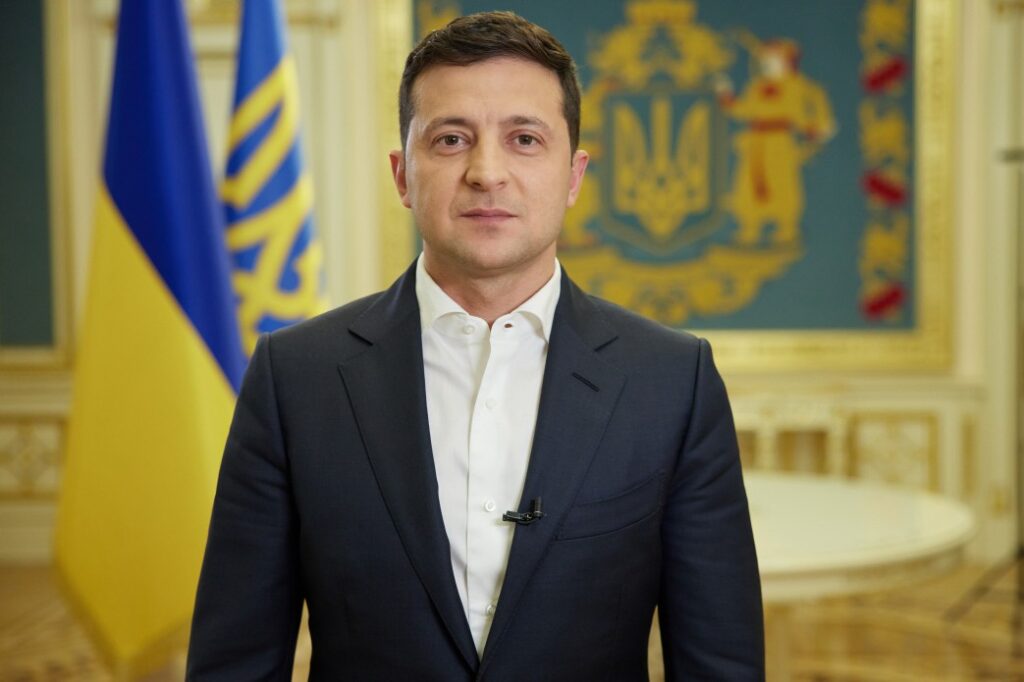
Yet organized resistance, led by President Volodymyr Zelenskyy, held the capital. By April 2022, Russian forces had withdrawn from northern Ukraine, pivoting their offensive to the Donbas region in the east. That initial failure set the stage for a conflict that has since redrawn Europe’s security map and become the most consequential war on the continent since World War II.
A War of Attrition on Multiple Fronts
The Siege of Mariupol, which lasted from February to May 2022, exemplified the war’s destructive intensity, leveling much of the city. Ukraine mounted successful counteroffensives later that year, retaking territory in Kharkiv in September 2022 and in Kherson in November 2022, shifting the momentum.
In 2023, Ukrainian forces launched a counteroffensive in the south, though gains remained limited. The human cost has been staggering. According to US estimates from 2023, military casualties on both sides have exceeded 500,000.
The United Nations has documented over 10,000 civilian deaths, though actual numbers are believed to be significantly higher. The humanitarian toll extends beyond the battlefield.
Over 8 million Ukrainians have been internally displaced, and more than 6 million have fled abroad, primarily to European countries. These figures underscore a displacement crisis not seen on the continent since the 1940s. The grinding attrition in the east and south continues with no sign of a breakthrough, military or diplomatic.
Multiple rounds of talks have taken place, yet no ceasefire has been achieved.
Alliances, Aid, and the Shifting Geopolitical Landscape
The United States has provided over $75 billion in assistance to Ukraine since the invasion began in 2022, a substantial portion of which is military aid. Key figures in the conflict include President Zelenskyy, Russian President Vladimir Putin, and US President Donald Trump.
The war has also reshaped the North Atlantic Treaty Organization. Finland joined the alliance on April 4, 2023, and Sweden followed on March 7, 2024, reviving NATO expansion after years of relative stasis. Financial sustainability remains a critical concern for Ukraine’s defense effort, directly tied to continued Western support.
With both sides absorbing heavy casualties and no ceasefire in sight, the question now is whether the attrition grinding on in the east and south can produce a breakthrough on any front—military or diplomatic.
A Contested Land With Deep Historical Roots
Ukraine’s position as a contested territory stretches back more than a thousand years. The medieval state of Kievan Rus, later principalities, Cossack hetmanates, and periods under foreign empires all shaped its identity. After a brief period of independence in the early 20th century, Ukraine was absorbed into the Soviet Union. It regained sovereignty only with the USSR’s collapse in 1991.
Tensions between Russia and Ukraine flared as early as 2014, when Russia annexed Crimea and began backing separatist forces in eastern Ukraine. Those confrontations set the stage for the full-scale invasion launched in 2022.
This current war has redrawn Europe’s security map, revived NATO’s expansion, and forced millions to flee their homes, marking it as the most consequential conflict on the continent since the end of World War II.




