JERUSALEM, November 15, 2026 — The Knesset, Israel’s unicameral legislature, has shown a cross-party consensus on opposing the Islamic Republic, with opposition to the Islamic Republic remaining a point of consensus in Israel regardless of who forms its next government. According to Israeli-American journalist and Iran analyst Emily Schrader, no one in the mainstream, from left to right, wants the Islamic Republic to continue.
Background And Structure Of The Knesset
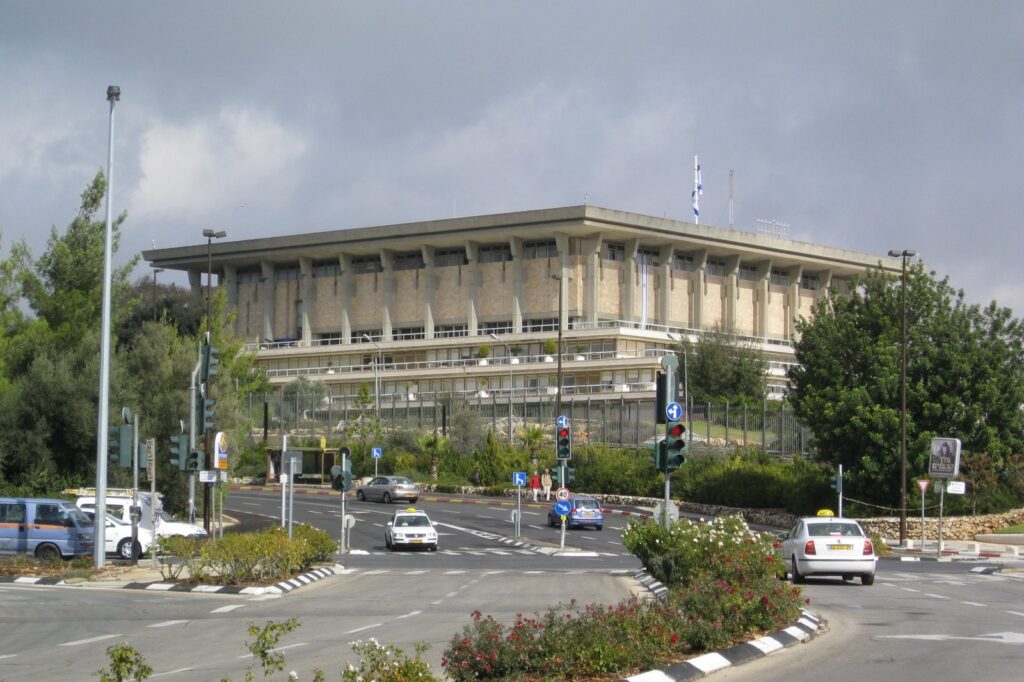
The Knesset is responsible for passing laws, electing leaders, and supervising the government. Members of the Knesset are elected nationwide through a closed-list proportional representation system. The Knesset has 120 seats, and its members are known as “Ḥaver HaKnesset” or “Ḥavrat HaKnesset” in Hebrew. The current Knesset building was completed in 1966 and is located in Givat Ram, Jerusalem.
Historical Context And Current Election Results
In the recent election, Prime Minister Benjamin Netanyahu’s bloc won 53 of the Knesset’s 120 seats, while opposition leader Gadi Eisenkot’s Yashar party emerged with broader parliamentary support and was tasked by President Isaac Herzog with forming a government. According to Schrader, the outcome reflected domestic grievances rather than Netanyahu’s record against Iran and its allies. The Knesset’s cross-party consensus on Iran is significant, as it indicates that Israel’s stance on Iran is unlikely to change regardless of who forms the next government.
Impact On Defense And Foreign Policy
The cross-party consensus on opposing the Islamic Republic means that Israel’s defense and foreign policy stance toward Iran is likely to remain hardline. Representatives of Yashar have indicated they support regime change in Iran. President Isaac Herzog has noted that Tehran does not stop even for a moment in its plots and threats against Israel, emphasizing the need for a strong and unified stance against the Islamic Republic. The Knesset’s cross-party consensus on Iran ensures that Israel’s defense and foreign policy will prioritize countering the Islamic Republic’s influence and threats.
Future Diplomatic Strategies
The Knesset’s cross-party consensus on Iran will likely shape Israel’s diplomatic strategies toward the Islamic Republic. With a unified stance, Israel can maintain a strong and consistent position in its dealings with Iran, including its allies and partners. As President Herzog noted, Israel must fortify its alliance with the United States and build a stable political horizon in the region with its neighbors. The Knesset’s cross-party consensus on Iran provides a foundation for Israel’s diplomatic efforts, ensuring that its stance on Iran remains a priority in its foreign policy and security posture. As Schrader said, “the Iranian public is in such a state of crisis, in such a state of desperation, that there were people who wanted their country to be bombed,” highlighting the need for a unified and strong stance against the Islamic Republic.
Sources
- Israeli opposition to Islamic Republic transcends party lines
- Knesset
- Israeli opposition hurries to seize control as new Knesset is sworn in
- Israeli president warns against repeat election in new Knesset session
- Gadi Eisenkot bloc secures key Knesset defense, finance committee posts | The Jerusalem Post
- At Knesset unity tent, Eitam calls for compromise, warns against minority government
Photo: Chris Yunker from St. Louis, United States (CC BY-SA 2.0)