Iran says the United States must end what it calls aggression and a blockade if it is serious about diplomacy, a position that underscores how the Islamic Revolutionary Guard Corps’ expanding military posture and proxy network have become a structural obstacle to any negotiated settlement. The IRGC, a multi-service military force of roughly 125,000 personnel led by a commander-in-chief appointed by the Supreme Leader, operates under a constitutional mandate to protect the integrity of the Islamic Republic rather than just national borders. That mandate has translated into operational control of the Strait of Hormuz, a ballistic missile program now unrestricted by range, and a Quds Force that manages armed partners across the region.
Command Structure and the Strait of Hormuz
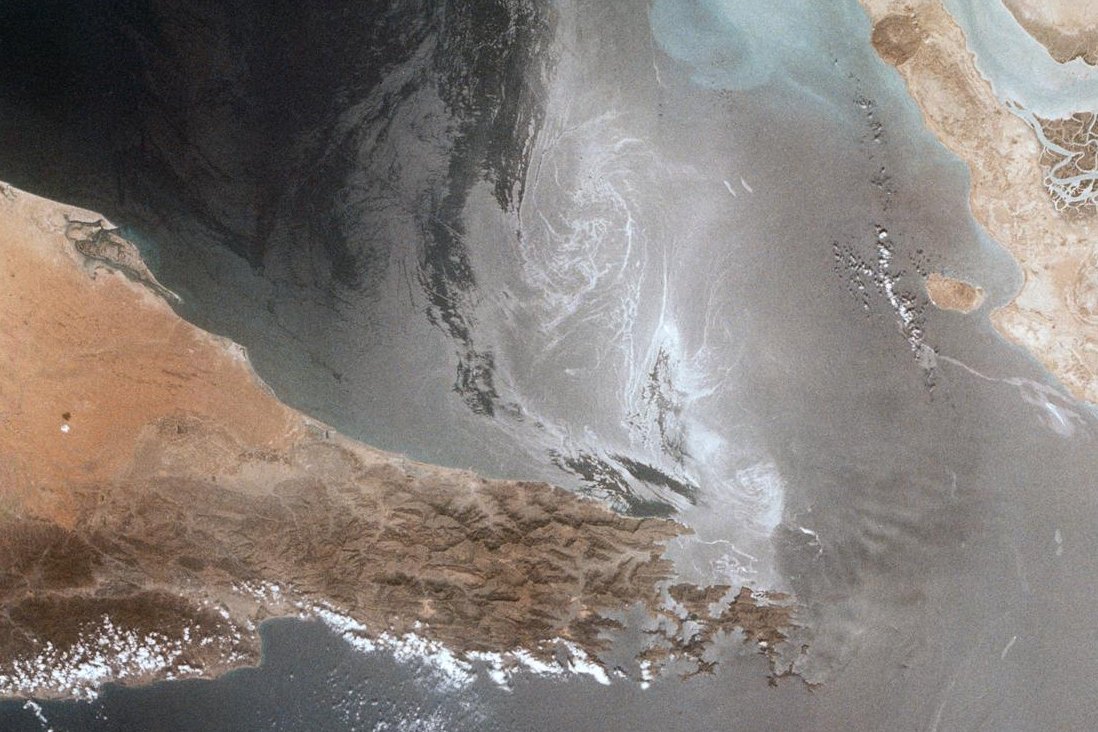
The IRGC Navy serves as Iran’s primary force in the Persian Gulf, functioning as a de facto coast guard with authority over maritime traffic. In mid-November, the navy said two supertankers carrying more than 4 million barrels of oil exploded in the strait after ignoring repeated warnings to avoid an unauthorized southern route. The IRGC Navy stated the vessels struck naval mines while their radar and positioning systems were switched off, and it accused them of cooperating with the US military, which it described as a “smuggling army”. The navy subsequently warned shipping owners that any vessel transiting the strait must coordinate with its Traffic Control Centre and adhere to Iranian arrangements. Der Spiegel reported the IRGC claim, noting there were no independent reports confirming the cause of the explosions and that Iran has previously reported mine strikes that independent sources attributed to unidentified projectiles.
Missile Range Restriction Lifted
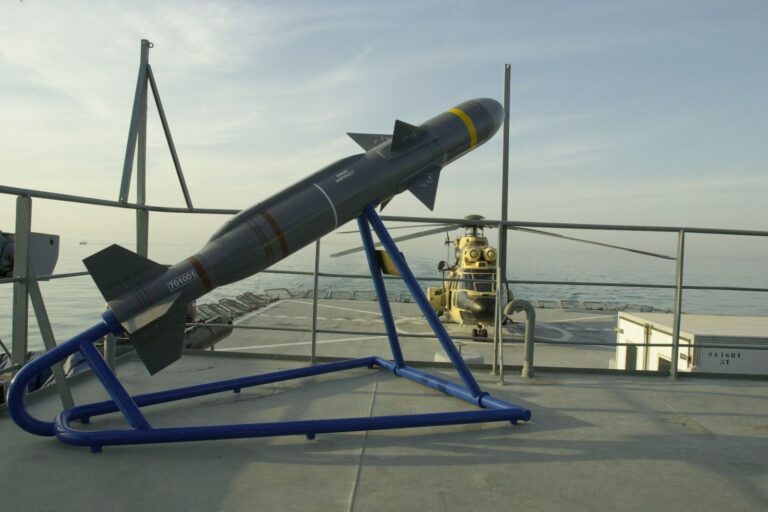
Days after the tanker incidents, the IRGC announced it had abandoned its longstanding self-imposed 2,000-kilometer limit on ballistic missile ranges. IRGC spokesman Gen. Hossein Mohebbi confirmed the policy change at a news conference in Tehran, telling The Associated Press, “That restriction has been lifted for us”. The move followed a warning attributed to Supreme Leader Ayatollah Mojtaba Khamenei that any threat from the United States or Israel would be met with a response unrestricted by geography. Iran’s Tasnim news agency, affiliated with the IRGC, suggested the directive could enable the development of missiles capable of striking the United States, estimating a range of roughly 10,000 kilometers would be needed to reach the US East Coast. Iran is not currently known to possess ballistic missiles with ranges exceeding 2,000 kilometers, though American officials have previously warned that space-launch technology could be adapted for intercontinental systems.
Proxy Network and Indictments
The Quds Force, the IRGC branch responsible for unconventional warfare and clandestine operations, arms, trains, and in some cases commands pro-Iranian non-state actors abroad, including Hezbollah and the Houthis. On November 10, the US Department of Justice unsealed an eight-count superseding indictment against three operatives — Mohammad Baqer Saad Dawood al-Saadi, Mohsen Mohajeri, and Mohammad Ali al-Hassani — charging them with terrorism-related offenses in support of Kata’ib Hizballah and the IRGC, both designated as foreign terrorist organizations by the United States. The indictment alleges involvement in nearly 20 attacks and attempted attacks across Europe and the United States, including a September 2026 plot targeting a British Royal Air Force base in Fairford where American forces were stationed. FBI Director Kash Patel said one of the defendants allegedly sent coded messages to assist future violence while behind bars awaiting trial.
Diplomatic Stalemate
The IRGC’s layered posture — naval control of a critical chokepoint, an unrestricted missile program, and a proxy network capable of striking Western targets — frames the diplomatic deadlock. Iran insists the US must cease aggression and lift its blockade as a precondition for meaningful talks, while Washington points to the IRGC’s designated terrorist status and the indicted operatives’ alleged plot against American personnel as evidence that the force remains an active threat. The memorandum of understanding signed in June has not prevented the resumption of clashes, and the Strait of Hormuz remains a flashpoint where commercial shipping, naval warnings, and competing claims of mine strikes versus drone interceptions converge. Gen. Mohebbi’s confirmation that the missile range restriction “has been lifted for us” stands as the latest concrete marker of the IRGC’s expanding strategic envelope.
Sources
- Islamic Revolutionary Guard Corps
- Iran’s Revolutionary Guard says 2 oil tankers exploded in Strait of Hormuz
- Three Iranian-Backed Operatives Indicted for Their Roles in Nearly 20 Terrorist Attacks and Attempted Attacks Across Europe and the United States
- IRGC-linked outlet says Iran could develop missiles that reach US
- Iran reports fires on two tankers in Strait of Hormuz — Der Spiegel
- Two Oil Tankers Explode, Catch Fire After Hitting Naval Mines Near Hormuz: Iran's IRGC Navy
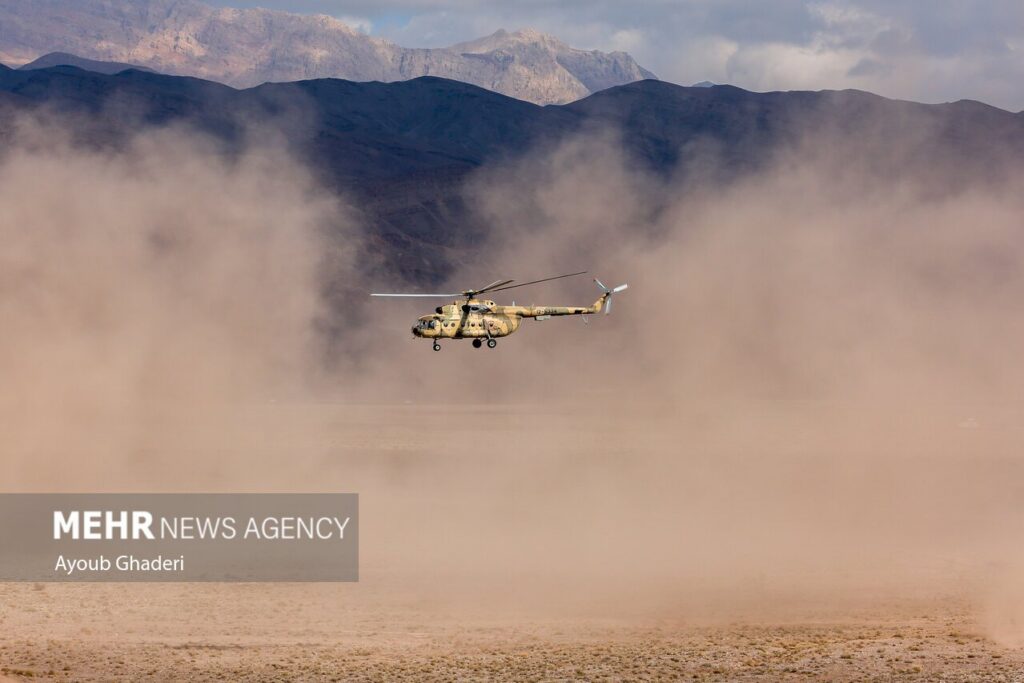
Photo: Ayoub Ghaderi (CC BY 4.0)