Pope Leo has declared the Catholic Church’s just-war doctrine outdated, signaling a reevaluation of its 1,000-year-old moral framework in light of modern asymmetric and proxy conflicts.
A Moral Framework Under Scrutiny
For over a millennium, the Catholic Church has employed just-war theory to establish ethical boundaries for nations at war, guiding both the decision to fight and the conduct of armies in combat, according to The Atlantic and The Week.
This doctrine, split into jus ad bellum (the right to go to war) and jus in bello (right conduct in war), has been a cornerstone of military ethics, influencing military academies and human rights laws, as noted by The Atlantic.
The Pope’s Critique and Modern Warfare
Pope Leo’s recent statement, “There is no such thing as a holy war: Only peace is holy,” delivered at a religious conference, underscores his critique of the doctrine’s application in contemporary conflicts, as reported by Letters from Leo.
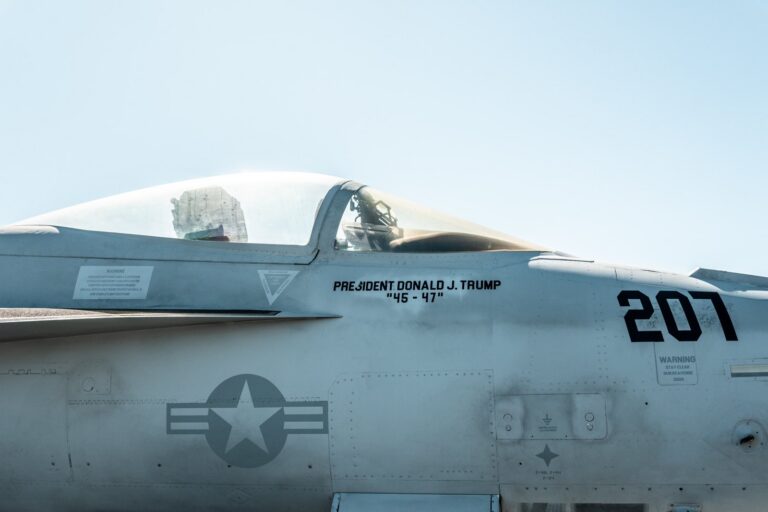
The Pope’s comments, which drew criticism from President Donald Trump, highlight the tension between traditional just-war principles and the realities of modern warfare, including the U.S. conflict with Iran.
The Church now acknowledges the doctrine’s limitations, recognizing its susceptibility to abuse by leaders who manipulate its tenets to justify their actions, as stated in The Week.
The Rise of Asymmetric Warfare and AI
The evolution of warfare, marked by the proliferation of autonomous systems, drones, and AI, has significantly altered the battlefield dynamics, as observed in Ukraine and the Strait of Hormuz, according to Providence.
Mass-produced, inexpensive drones have enabled smaller nations to resist great powers, reshaping the economics and ethics of war. This shift challenges traditional notions of just cause and proportionality, as weaker countries can now sustain conflicts with affordable autonomous systems.
Academic and Religious Debate
The debate over just-war theory’s relevance is not confined to the Church. Academics and religious leaders question its effectiveness in fostering peace, with Eli McCarthy of U.S. Catholic arguing that it fails to train peacemakers adequately.
McCarthy advocates for strategic nonviolent practices and institution-building for sustainable peace, a sentiment echoed by the Church’s commitment to developing a successor theory that addresses modern moral challenges.
Toward a New Ethical Framework
As the Church embarks on revising its just-war doctrine, the focus is on creating a framework that accounts for the complexities of 21st-century conflicts, including proxy wars and cyber warfare.
This reevaluation comes amidst a global landscape marked by increasing tensions, rising weapons spending, and a growing number of conflicts, as noted by IPS Journal.
The Church’s effort to modernize its ethical framework reflects a broader recognition of the need for new moral guidelines in an era where technology and asymmetric warfare have transformed the nature of conflict.
As of 2026, the Catholic Church is actively engaged in this critical reexamination, aiming to provide a more relevant and effective moral compass for nations navigating the complexities of modern warfare.
Sources
- Is the Catholic Church’s just-war theory obsolete?
- Just war theory
- Is the Catholic Church’s just-war theory obsolete?
- Christian Patriotism for Today: Andrew Fuller's "Call to Arms" Applied to the Ballot Box
- Autonomous Warfare and the Risks of Affordable Attrition – Providence
- Is WWIII here?
Photo: Jebulon (CC0)