Three thousand more American troops. That was the Pentagon’s first answer after a US air raid at Baghdad airport killed Qassem Soleimani on Friday, January 3, 2020, and it shows how fast a single strike turned into a regional crisis. Here is who stood where.
Washington
President Donald Trump gave the order. Speaking from Mar-a-Lago, he called Soleimani “the number one terrorist anywhere in the world” and said the general had been plotting “imminent and sinister” attacks on US diplomats and troops. “We took action last night to stop a war,” Trump said. “We did not take action to start a war.” He added that Washington did not want to topple the government in Tehran.
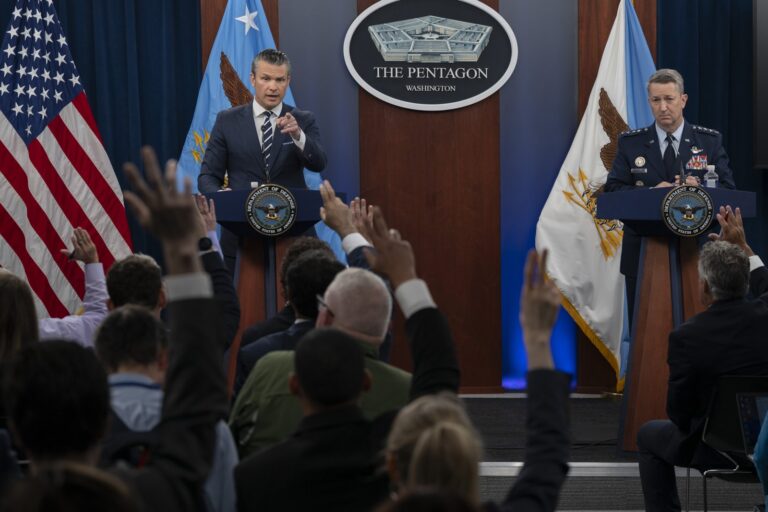
Secretary of State Mike Pompeo carried the argument abroad. He phoned counterparts around the world, saying Washington was committed to de-escalation, and insisted the strike was “lawful” and “saved lives.” The first Pentagon statement was vaguer, saying only that the aim was deterring future Iranian attack plans. Pompeo later told CNN that Soleimani had been working on a “big action” that endangered perhaps hundreds of Americans. Robert O’Brien, who advised Trump on national security, said any Iranian reprisal would be a bad mistake.
Not everyone at home was convinced. Opposition members of Congress said Trump had ordered the killing without authorization, and Senator Brian Schatz called for the toughest oversight, noting that the administration had lied about almost everything.
Tehran
Soleimani had led the Quds Force of the Revolutionary Guard for 21 years. He built up Hezbollah and other allied militant groups in Lebanon, widened Iran’s military footprint in Iraq and Syria, and many saw him as Iran’s number two, behind Khamenei. Supreme Leader Ayatollah Ali Khamenei declared three days of national mourning and said “severe revenge awaits the criminals.” Foreign Minister Javad Zarif labeled the raid international terrorism. Esmail Qaani, Soleimani’s deputy, took over the Quds Force.
The Supreme National Security Council said America had made its largest strategic blunder in West Asia. Large crowds rallied in Tehran and other cities, and mourners filled the streets of Kerman.
Iraq and the wider reaction
Also killed was Abu Mahdi al-Muhandis, who was deputy commander of the Popular Mobilisation Forces. Iraqi parliament speaker Mohammed al-Halbousi called it a flagrant breach of sovereignty. More air strikes hit a convoy of the Iraqi militia on Saturday, according to an Iraqi army source who spoke to Reuters.
UN Secretary-General Antonio Guterres warned that the world could not afford another Gulf war. Saudi Arabia drew thanks from Pompeo for its steadfast support. Oil prices rose sharply.
What followed
Within days Iran launched Operation Martyr Soleimani, firing missiles chiefly at Al Asad, a base in the west of Iraq. Tehran had warned Iraq in advance, and no American was killed. The Pentagon eventually said more than a hundred service members suffered traumatic brain injuries. Then came an embarrassment: Revolutionary Guard forces shot down a Ukrainian passenger jet, killing 176 people. Iran denied responsibility for three days before admitting human error.
The nuclear dispute ran on a separate track. Trump had pulled the US out of the 2015 deal in 2018 and reimposed sanctions, and Iran began dropping its own commitments a year after that, enriching uranium to higher levels. NPR’s Greg Myre judged a year on that the killing had not substantially changed the region’s dynamics. Just weeks earlier, an Iran-linked Iraqi militia had fired 21 rockets into Baghdad’s Green Zone.
Sources
- Qasem Soleimani: Iran vows 'severe revenge' for top general's death
- Iran's Soleimani killed in US air raid: All the latest updates
- Fears of new conflict in Middle East as Tehran vows to avenge killing
- A Look Back At What Happened After The Killing Of Iranian Gen. Qassem Soleimani