
A routine money-laundering inquiry at a small car wash in Brasília, launched in March 2014, set off a chain of events that continues to reverberate through Brazil’s political landscape nearly ten years later. The investigation, widely known as Operation Car Wash, uncovered far more than a simple bribery ring. It revealed a deeply embedded corruption model within the structure of state governance.
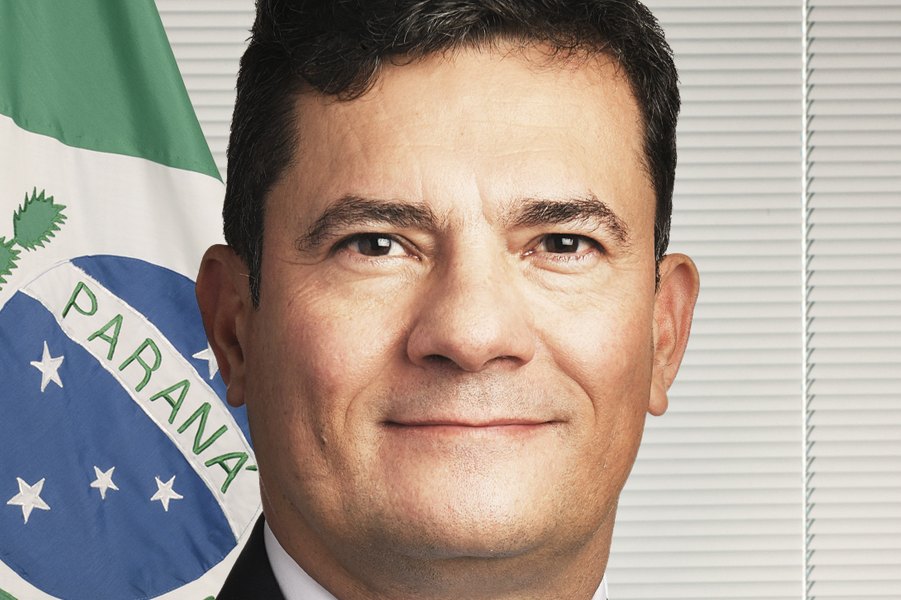
The scheme operated with a straightforward design. Political appointees within state-owned enterprises systematically demanded bribes from private-sector suppliers. Federal prosecutors, led by Deltan Dallagnol and overseen by Judge Sergio Moro, gathered evidence that implicated a wide swath of Brazil’s political elite. Those named included federal congressmen, senators, state governors, cabinet ministers, and three former presidents: Collor, Temer, and Lula. The list reads as a comprehensive catalog of Brazilian power.
The investigation’s expansion from a small money-laundering case to the largest corruption scandal in the country’s history was enabled by a strategic tool. Prosecutors leveraged Brazil’s antitrust regulator, which possessed legal authority to compel corporate cooperation, access financial records, and build cases that might have been beyond the reach of criminal investigators alone. This legal mechanism provided prosecutors with a powerful means to open corporate doors.
The financial impact has been immense. Companies and individuals implicated in the probe agreed to pay 25 billion reais in fines and restitution. This sum reflects both the scale of public funds taken and the leverage prosecutors held. Many chose to settle rather than contest the evidence gathered through the antitrust machinery.
Beyond the financial penalties, the investigation shattered the long-held assumption that high-level corruption in Brazil carried no real consequences. Sitting presidents faced charges, ministers were convicted, and the political class learned that the old rules of impunity had shifted. Judge Moro and prosecutor Dallanagnol became widely recognized figures, admired by some and criticized by others.
The operation also exposed a structural problem within state-owned enterprises, which had long been treated as patronage reservoirs. Political appointees controlled procurement, contracts, and hiring. The Car Wash investigation demonstrated that this system was not merely inefficient but functioned as a bribery pipeline. Private suppliers understood that a percentage of every contract would flow back to the political appointees who approved it.
The probe’s legacy remains uncertain. It has already reshaped Brazilian politics. Former President Lula, convicted and imprisoned as a result of the investigation, later had his convictions annulled and returned to the presidency. This reversal does not erase the evidence collected but highlights the volatility of anti-corruption work when targets are powerful enough to fight back through political channels.
As of September 2023, the investigation continues. New cases ripple out from the original core into state-level courts across Brazil. The original team of prosecutors has dispersed, with some entering politics themselves. Judge Moro became a senator. The institutional machinery that made Car Wash possible—the antitrust regulator, the federal prosecutor’s office, and the cooperating judiciary—remains in place. Whether it will be used with the same intensity again is an open question. The small car wash in Brasília now stands as a symbol of how much can change when prosecutors follow the money all the way up. The corruption it uncovered was not a departure from normal governance. It was normal governance, laid bare.




