
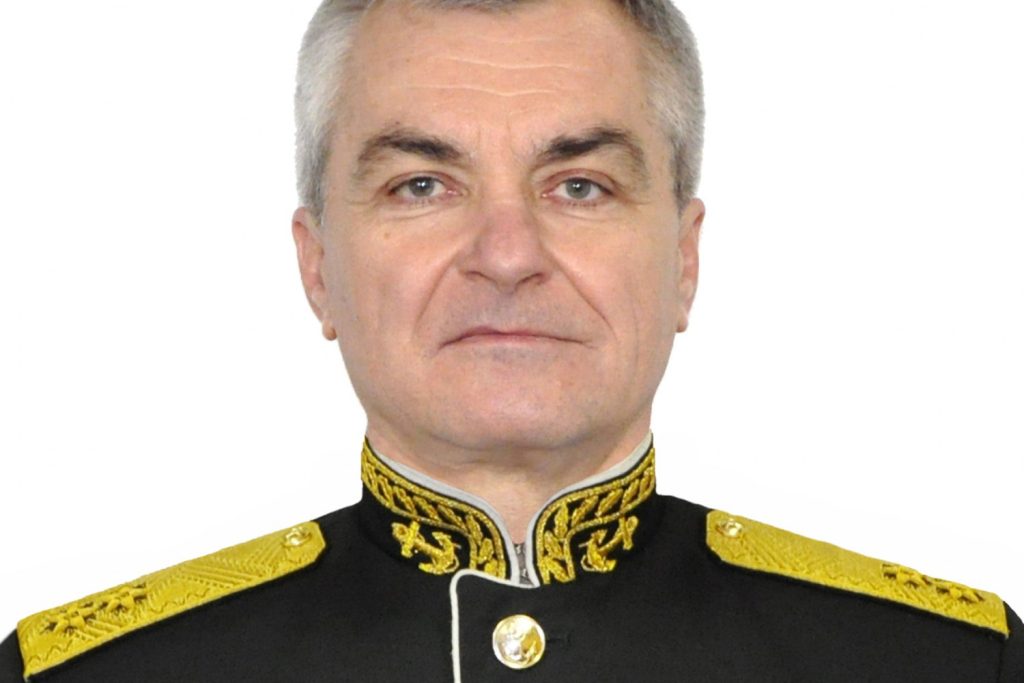
The bottom line first: Russia changed the command of its Black Sea Fleet in August 2022, and the handover was so quiet that the fleet’s own representatives declined to confirm it. Vice Admiral Viktor Sokolov took over from Admiral Igor Osipov, who had held the post since May 3, 2019, according to RIA Novosti as carried by Pravda.Ru. Even by the standards of a wartime navy, the installation was minimal: the report noted that “There was no public event held on such an occasion”, and none was expected, because Sevastopol, the fleet’s home port, was operating under a high level of terrorist alert extended until August 29. A source briefed on the situation put the discretion plainly: in a country conducting what it calls its special operation in Ukraine, “no one was obliged to publicly report such appointments”.
By the numbers, the command Sokolov inherited and the year that followed: one appointment, unannounced; one predecessor, Osipov, in post since May 3, 2019; a threat level in Sevastopol running to August 29; then, in September 2023, one missile strike on the fleet’s headquarters, 34 officers claimed killed in a single Ukrainian statement, five missiles Russia said it had shot down, one serviceman missing, and one eight-minute video that turned the story around. Analysts of this war will note the pattern: the claims arrived loud, the corrections arrived quiet.
The September 2023 episode is the command’s defining public moment. Ukraine’s special forces announced that Sokolov was among the dead from the strike on the Sevastopol headquarters: “As it is known, 34 officers were killed as a result of a missile attack on the headquarters of the Black Sea Fleet of the Russian Federation”, with many victims said to “still have not been identified due to the condition of the body parts”. Russia answered with footage of a ministry collegium that, it said, convened that Tuesday: Defence Minister Sergey Shoygu addressing senior officials in Moscow, and briefly shown linking in by video with the commanders of Russia’s five fleets, none of whom speak. Facial recognition software matched the man on the Black Sea link to other images of Sokolov, though the BBC could not verify when the meeting was filmed or whether the appearance was in real time. Kyiv shifted to “clarifying” the reports and cited open sources; Rustem Umerov, Ukraine’s new defence minister, told CNN that, if the admiral was dead, “it’s good news for everybody”, which was a preference, not a confirmation.
The stakes explain the noise. The fleet is “seen as the best of the Russian navy” and “an important target for Kyiv”, and Ukrainian forces had been flying near-daily strikes against Russian bases in Crimea that autumn. The fleet had been quartered in Crimea under a leasing deal that predated Russia’s 2014 annexation of the peninsula, which made it “a major symbol of Russia’s centuries-old military presence in the region”. The figure that matters in this file is not a price: it is 34 officers, claimed, never independently confirmed, and an admiral whose death was reported on a Monday and rebutted on film by midweek. For a command that began without a ceremony, that is the tenure so far: appointed in silence, litigated on video, and documented mainly through the competing claims of two navies at war.
Sources
- Vice Admiral Sokolov appointed new Commander of Russia's Black Sea Fleet
- Viktor Sokolov: Russian video 'shows Black Sea fleet commander alive'




