
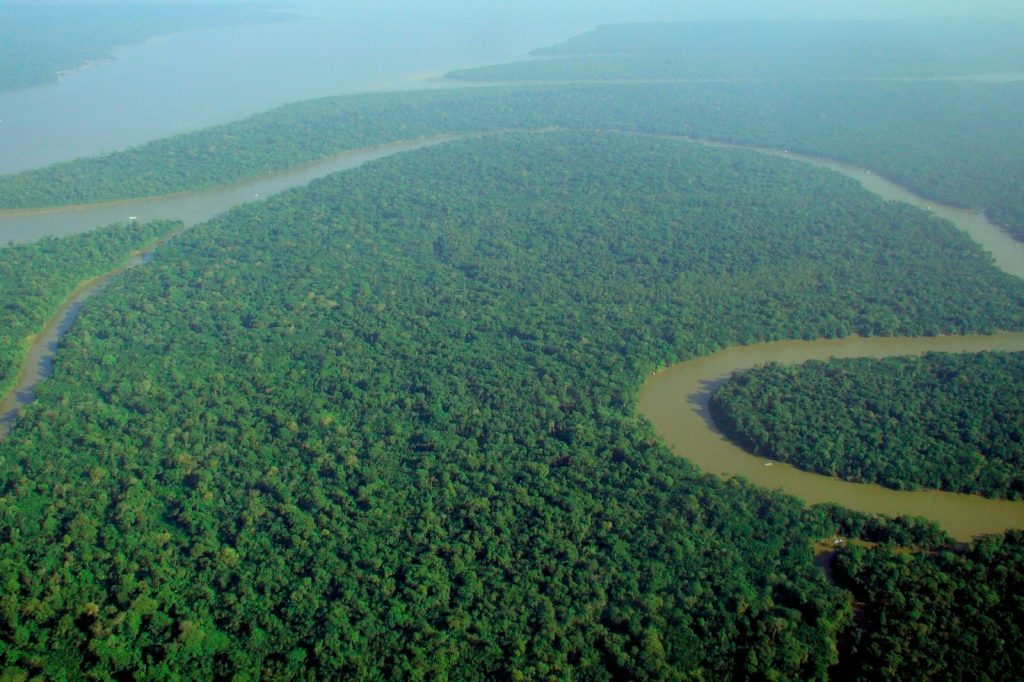
A significant decline in Amazon rainforest deforestation has been reported by the Brazilian government, with the lowest rate seen since 2016. This shift follows years of increasing destruction, but conservationists remain cautious, recognizing that the real challenge is maintaining this progress. The data, from a government report, shows a marked decrease from recent highs.
The decrease is attributed to a broad coalition of actors, including the government, environmental groups, and local communities, who have worked together to reduce deforestation. Dr. Marina Silva, a former Environment Minister and long-time environmentalist, highlighted the importance of their joint efforts, stating, “The reduction in deforestation is a clear sign that our hard work is paying off.” The coalition has focused on engaging local communities, monitoring forest areas, and enforcing laws to prevent illegal activities.
Enforcement is crucial, as the Amazon spans an area larger than Western Europe, making it impossible for police and inspectors to be everywhere. The report notes that the government has invested in research and technology to improve forest monitoring and management, enabling quicker identification of deforestation hotspots. This increased scrutiny means that loggers and ranchers who illegally clear land now face a higher risk of being caught.
The report’s findings underscore the importance of preserving the Amazon, which is home to an estimated 10% of all known plant and animal species on Earth. The reduction in deforestation means more jaguars, more mahogany trees, and cleaner river systems.
However, the real test lies ahead, with next year and the year after being crucial indicators of the lasting impact of these efforts. Deforestation is an ongoing issue, driven by global demand for beef and soy, rising land prices, and the construction of roads. The Brazilian government’s report offers hope that the trend can be reversed, but it does not declare victory.
The report also acknowledges the human dimension of the issue, with local communities playing a vital role in the effort. Indigenous territories and extractive reserves often have lower deforestation rates than unprotected land.
By involving those who live in the forest in its protection, they become its guardians. The collaborative approach highlighted in the report serves as a model for other countries with tropical forests, such as Indonesia and the Congo Basin. The Brazilian government has also launched reforestation programs and sustainable forest management practices, which may take time to show results but are essential for the long-term health of the Amazon.
In conclusion, while the data presents encouraging news with the lowest deforestation rate in eight years, it is important to remember that this is just a milestone on a long road. The forest still needs vigilant eyes and continued commitment to ensure its survival and the preservation of its rich biodiversity.
Additional Information
Brazil Amazon Deforestation Hits Lowest Since 2016 Goldman Sachs report shows U.S. data center power demand set to double by 2027 Brazil Storm Kills 23 as Deforestation Amplifies Toll




