
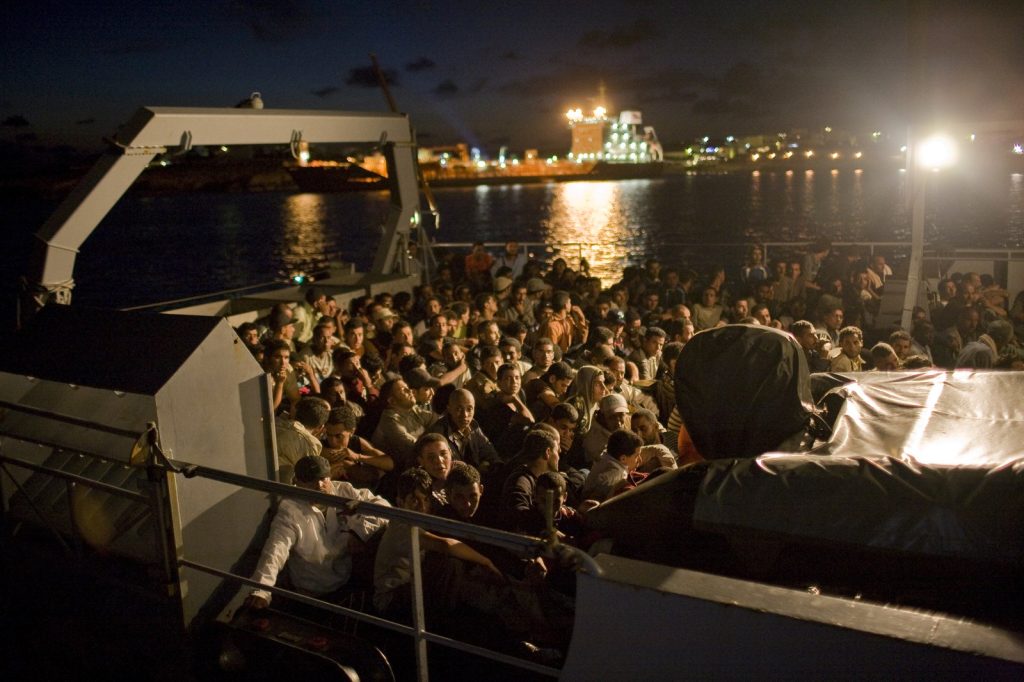
Two migrant boats capsized this week near the Kerkennah Islands, a low-lying archipelago off Tunisia’s eastern coast that often serves as a final stop before the open Mediterranean. The incidents left 27 people dead, while 83 others were rescued alive. Search operations remain underway for additional victims.
The vessels were carrying migrants from sub-Saharan Africa, a vast region spanning Central, East, Southern, and West Africa. Depending on the definition used, the United Nations counts between 46 and 48 countries in this zone, while the African Union employs a different breakdown. The boats were overcrowded and unsafe, consistent with patterns seen in similar tragedies along this route.
Tunisia has become a primary departure point for migrants attempting to reach Europe. Its coastline offers a short but dangerous crossing. In recent years, the country has experienced a significant influx of people fleeing conflict, poverty, and persecution. Migrants gather, wait, pay smugglers, and board vessels never designed for open water.
The economic pressures driving this migration are measurable and severe. One proposed long-term solution involves renewable energy sources such as solar and wind power, which could provide energy security and reduce some of these pressures. However, this approach does not address the immediate dangers faced by those currently attempting the crossing.
The Kerkennah Islands present particular hazards for maritime accidents. Strong currents and a short rescue window make capsizing especially deadly. The fact that 83 people were saved suggests a rapid response and that the boats were close to shore when they sank. Had the vessels been a few hundred meters farther out, the death toll would likely have been higher.
What typically follows such incidents is predictable. The Tunisian coast guard continues searching. Bodies may wash ashore or remain lost. Survivors undergo processing, and some will attempt the crossing again. The European Union typically issues statements expressing concern. Smuggling networks adjust their routes, and boats continue to depart.
The 27 dead represent 27 individual stories that remain untold. Official reports do not name the victims, specify their exact countries of origin within sub-Saharan Africa, or indicate whether they had families awaiting news. This lack of information is common in mass casualty events involving migrants, where identities often remain unknown and individuals become statistics before they are recognized as people.
The central Mediterranean route remains the deadliest migrant crossing in the world. Boats keep coming, the water keeps taking, policy debates continue, and islands like Kerkennah bear ongoing witness to the outcome.




