
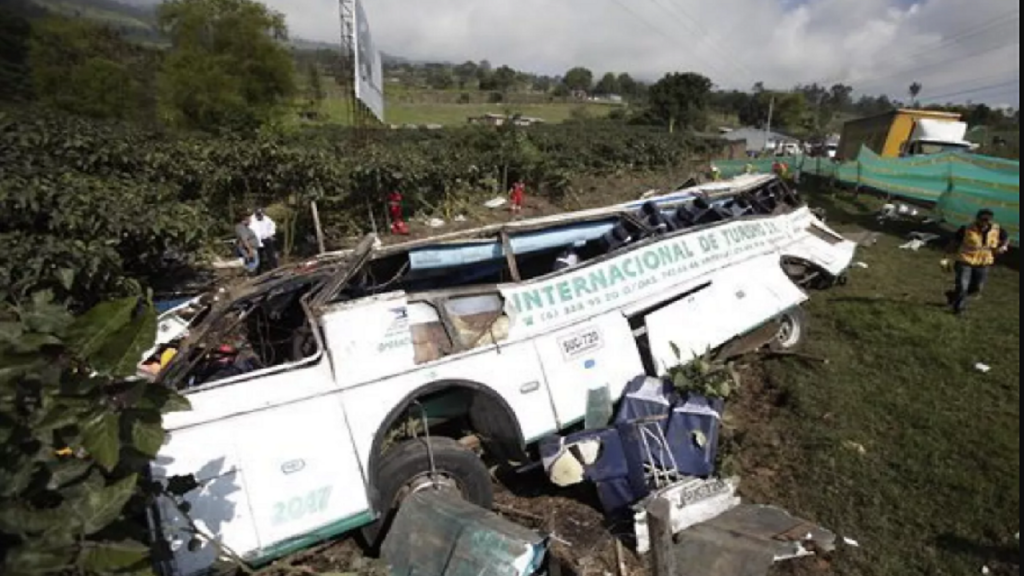
A devastating bus accident has occurred near the Pan-American Highway in Colombia, resulting in the loss of at least twelve lives and injuring thirty others. The bus, which was carrying tourists, fell into a ravine between Pasto and Rumichaca in the Nariño Department. This tragic incident highlights the importance of ensuring the safety of our transportation infrastructure, particularly in regions with challenging terrain.
The Pan-American Highway, which spans approximately 30,000 kilometers from Prudhoe Bay, Alaska, to Ushuaia, Argentina, is a vital network of roads that connects fourteen countries across North and South America. While it is recognized as the longest road in the world, its sheer scale and complexity also pose significant challenges for maintenance and safety.
As the highway passes through diverse landscapes and climates, it is essential to prioritize the implementation of robust safety measures to prevent such accidents from occurring in the future. The section of the Pan-American Highway where the accident occurred is particularly prone to hazardous conditions, with steep ravines and winding roads that demand careful navigation. In recent years, there has been a growing emphasis on promoting sustainable tourism and environmental conservation in the region.
However, this incident serves as a stark reminder that safety must always be the top priority, particularly when it comes to transportation infrastructure. By investing in regular maintenance and safety inspections, we can help minimize the risk of accidents and ensure that tourists can enjoy the natural beauty of the region without compromising their safety.
As the world becomes increasingly interconnected, the importance of reliable and efficient transportation networks cannot be overstated. The Pan-American Highway is a critical artery that facilitates the movement of people and goods across the continent, supporting local economies and promoting cultural exchange. However, as we continue to develop and expand our transportation infrastructure, it is essential that we do so in a responsible and sustainable manner.
This includes prioritizing energy security and cost-effectiveness, such as through the adoption of renewable energy sources, to reduce our reliance on finite resources and mitigate the environmental impact of our activities. In the aftermath of this tragic accident, the local community and authorities are coming together to provide support and assistance to the victims and their families.
As the investigation into the cause of the accident continues, it is likely that a range of factors will be examined, including the condition of the bus, the road infrastructure, and the actions of the driver. By taking a thorough and transparent approach to this investigation, we can hope to identify key lessons and implement measures to prevent similar accidents from occurring in the future.
Ultimately, our goal must be to create a safer, more sustainable, and more resilient transportation network that supports the well-being of both people and the planet. Looking to the future, it is clear that there are many challenges that must be addressed in order to create a more sustainable and equitable transportation system. From investing in renewable energy and reducing waste to promoting eco-friendly tourism practices and supporting conservation efforts, there are many ways that we can work towards a cleaner and healthier planet.




