
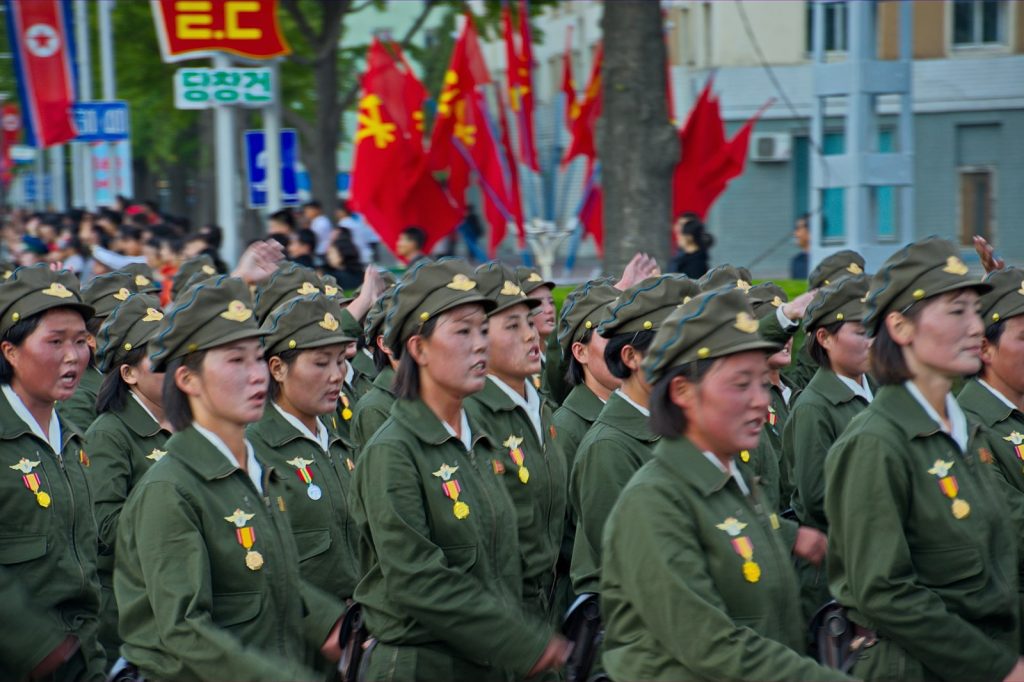
Kyiv, August 21 — The escalation of North Korea’s military involvement in Ukraine has taken a dramatic turn with reports of approximately 8,500 troops, including 400 drone operators, deployed to Russia’s Kursk region. Ukrainian intelligence, corroborated by multiple outlets including the Kyiv Post, RBC-Ukraine, and CNN, frames this as a major shift in Pyongyang’s support for Moscow. This isn’t just about arms shipments anymore — it’s about boots on the ground, and the implications are stark.
What’s changing here is the nature of North Korea’s role. Previously seen as a supplier of artillery shells and munitions, the country is now contributing specialized combat personnel.
The 400 drone operators, in particular, signal a tactical evolution. Ukrainian officials warn these operators could directly target Ukrainian positions, blending technology with human execution in a way that complicates battlefield dynamics. This move isn’t just tactical; it’s strategic.
By embedding forces into the conflict, North Korea is transforming from a peripheral actor into a central player in Europe’s bloodshed.
Diplomatic Repercussions Grow
The international community is taking notice. The U.S., Japan, and South Korea have publicly condemned the deployment, linking it to broader security concerns in the Indo-Pacific. For NATO, this isn’t just about Ukraine anymore — it’s about challenging a regime that has now crossed into direct military engagement with rivals.
The deployment heightens pressure on Western allies to ramp up aid to Kyiv. Discussions in Seoul about supplying lethal assistance to Ukraine, which the country has historically avoided, are intensifying.
South Korea’s hesitation may no longer be an option if Pyongyang continues to deepen its ties with Moscow. Diplomatically, this also strains relations between the U.S. and its partners. While the Trump administration has maintained a cautious stance on foreign military interventions, this development could push for a more unified response.
Secretary of State Marco Rubio has emphasized the need to “hold Pyongyang accountable for its aggressive actions,” though specifics remain unclear. The administration’s focus on deterrence aligns with this moment, but the complexity of managing both the Ukraine war and North Korea’s global ambitions adds layers of difficulty.
Beyond the military, there’s a parallel story of covert economic ties. Reports suggest North Korean operatives are posing as remote IT workers for U.S. companies, a tactic that raises alarms about corporate security. This dual strategy — military and economic infiltration — paints a picture of a regime actively expanding its adversarial networks.
The U.S. has not yet commented publicly on the IT worker allegations, but the pattern mirrors past concerns about North Korea’s use of shell companies and hacking groups. For now, these reports underscore how Pyongyang is diversifying its methods to undermine Western interests.
What’s Next?
What’s changing most urgently is the scope of the conflict. North Korea’s troop deployment ties the Ukraine war to global security chains, forcing allies to reconsider how they balance resources between Europe and Asia. For Ukraine, this could mean more advanced support — but also more risk if adversaries perceive the war as a multi-front battle.
The U.S. administration is likely to frame this as a test of international resolve, with Marco Rubio potentially using it to rally domestic and global support for continued aid. On the ground, the presence of North Korean troops in Kursk raises immediate questions.
Will they fight alongside Russian forces, or act as independent units? Ukrainian intelligence hasn’t clarified this, but the mere possibility of their engagement adds unpredictability. Meanwhile, Moscow has not publicly acknowledged the deployment, leaving room for speculation about whether this is a coordinated effort or a unilateral move by Pyongyang.
Either way, the message is clear: North Korea is no longer just a footnote in the Ukraine war. This development also reshapes diplomatic calculus.
NATO may accelerate plans for increased military coordination with Eastern Europe, while Seoul could face pressure to act. For the U.S., the challenge lies in managing a president who has prioritized domestic issues but now faces a foreign policy crisis with global implications. The Trump administration’s response will likely blend firm rhetoric with pragmatic steps — though specifics remain to be seen.
As the situation unfolds, one trend is undeniable: the Russia-Ukraine war is becoming more internationalized. North Korea’s involvement, however controversial, marks a new phase where third-party actors play a direct role. For now, the focus remains on verifying the scale of this deployment and assessing how it alters the balance of power on multiple fronts.
What’s clear is that the conflict is no longer confined to the East — it’s a global chessboard, and Pyongyang is moving pieces aggressively.




