
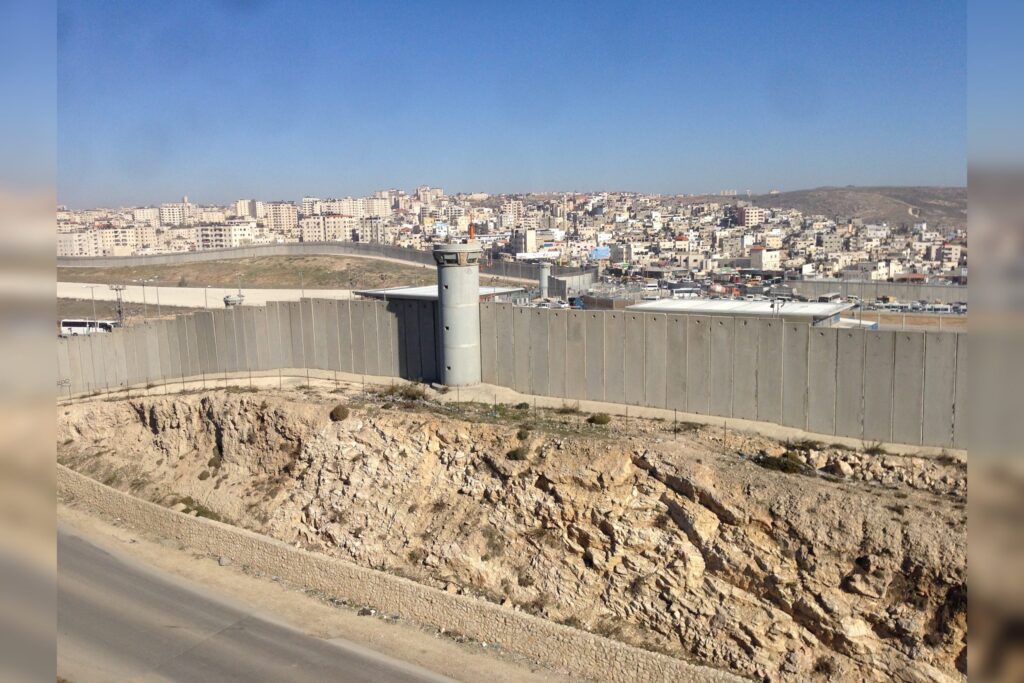
New York, August 21 — Benjamin Netanyahu’s public commitment to Israel’s settlement expansion in the West Bank has intensified global tensions, underscoring the enduring political stakes of his leadership. At a September signing ceremony in a West Bank settlement, Netanyahu declared, “We are going to fulfill our promise that there will be no Palestinian state. This place belongs to us.” The statement marked a definitive shift in policy, as Israel proceeded to announce tenders for constructing approximately 1,200 settlement homes in E1, a strategically sensitive area east of Jerusalem.
This move reversed decades of restraint under international pressure, reigniting debates over the legality of such actions. E1, located just east of Jerusalem, has long been a focal point of Israeli-Palestinian conflict.
For years, Israel avoided expanding settlements there amid global condemnation, including from the United Nations and major Western powers. The decision to proceed with the E1 project represents a reversal of that policy. The UN secretary general described the plans as an “existential threat” to a potential Palestinian state, a sentiment echoed by key international actors.
The UK, France, Germany, Italy, and Canada issued a joint statement labeling the expansion “unacceptable,” warning it could “drive a wedge through the West Bank.” The European Union reiterated similar concerns, emphasizing the destabilizing impact on regional stability.
Domestic and Diplomatic Fallout
Netanyahu’s actions have placed Israel at odds with its traditional allies. The diplomatic backlash is not merely symbolic; it reflects a broader rejection of policies that undermine the two-state solution. Palestinian Authority President Mahmoud Abbas welcomed the international criticism, framing it as validation of Palestinian rights.
For Netanyahu, whose government has consistently opposed recognizing a Palestinian state, the E1 expansion is both a political statement and a practical step toward consolidating Israeli control over the West Bank. The settlement drive also carries domestic implications, though specifics about Israeli public reaction or electoral consequences remain unaddressed in the source material.
What is clear is that Netanyahu has positioned the expansion as a core pillar of his leadership. By signing the E1 agreement and initiating construction, he has signaled a readiness to confront international isolation in pursuit of his vision for Israel’s borders. This approach aligns with his broader political strategy, which prioritizes territorial control over compromise.
The Practical Upshot of a Bold Move
Think of the E1 settlement as a physical manifestation of Netanyahu’s “no Palestinian state” pledge. It’s not just a policy statement; it’s a tangible project that could reshape the region’s geography. By moving forward with 1,200 homes, Israel is effectively saying, “We will build regardless of objections.” The international community’s response—ranging from condemnation to calls for action—highlights the high stakes.
For ordinary people in the West Bank, the expansion could mean reduced access to land, resources, and future prospects. For global observers, it raises questions about the feasibility of a two-state solution under current leadership.
Netanyahu’s September pledge and the subsequent E1 tender are part of a calculated sequence. Decades of restraint ended abruptly with this decision, suggesting a deliberate shift in priorities. The UN, Western nations, and the EU have all framed the move as a threat to regional peace, while Netanyahu’s government appears undeterred.
This dynamic underscores a fundamental conflict: one leader’s commitment to settlement expansion versus the collective international effort to preserve a viable Palestinian state. What to watch next?
The immediate reaction from Israel’s domestic political landscape remains unclear, but the international pressure is likely to persist. Netanyahu’s ability to navigate this tension—between domestic demands and global condemnation—will define his leadership in the coming months. For now, the E1 expansion stands as a stark example of how one leader’s decisions can reverberate far beyond national borders, reshaping geopolitical realities in real time.
Sources
{“@context”: “https://schema.org”, “@type”: “NewsArticle”, “headline”: “Netanyahu’s Settlement Expansion Sparks Domestic Debate”, “description”: “New York, August 21 — Benjamin Netanyahu’s public commitment to Israel’s settlement expansion in the West Bank has intensified global tensions, underscoring the enduring political…”, “datePublished”: “2026-08-21T09:30:00+00:00”, “author”: {“@type”: “Person”, “name”: “Erika Johnson”}, “publisher”: {“@type”: “Organization”, “name”: “InfoPulse Today”, “url”: “https://newsfeed.infopulsetoday.com/”}, “citation”: [{“@type”: “CreativeWork”, “url”: “https://en.wikipedia.org/wiki/Benjamin_Netanyahu”}]}




