ROME, July 7 — The shift is unmistakable. When Ukrainian drones struck the Omsk Oil Refinery in Siberia on August 26, 2024, they didn’t just hit a target. They rewrote the geography of this war.
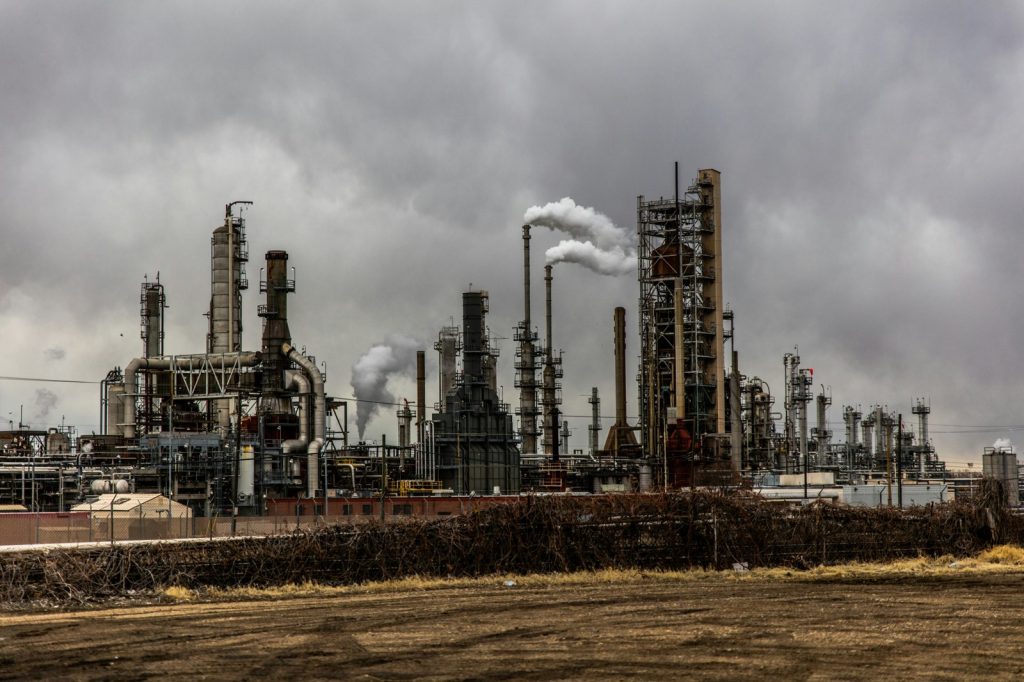
The refinery, owned by Gazprom Neft, is Russia’s largest by capacity, processing about 21 million tons of crude oil annually. That’s roughly 5% of Russia’s total refining capacity.
A fire broke out. Some units shut down temporarily. No casualties were reported.
But the real story is the distance: approximately 2,000 kilometers from Ukrainian territory. That’s deep.
That’s Siberia. Ukrainian defense sources confirmed the strike. Russian officials did too.
Multiple drones made the journey. The attack is part of a broader campaign targeting Russian energy infrastructure, aimed at disrupting fuel supplies for the Russian military. This isn’t a one-off.
Since early 2024, Ukrainian drones have hit refineries in the Krasnodar, Rostov, and Leningrad regions. The pattern is clear.
The capability is growing.
The technology underneath
What’s changing here is the range. Domestically produced long-range drones are the mechanism. Ukraine is building them itself.
The Omsk strike demonstrates a reach that was unthinkable at the start of the war. A 2,000-kilometer flight path means these drones can bypass forward defenses and strike at the industrial heart of Russia’s war economy.
The Omsk refinery alone processes a massive volume of crude each year. Disrupting that flow has direct consequences for the fuel that powers Russian tanks, trucks, and aircraft. The fire was extinguished.
Some units were shut down temporarily. But the operational impact lingers.
Every strike forces Russia to divert resources to repair and defend. Every hit compounds the pressure on a refining sector that is already under strain from sanctions and maintenance backlogs. Watch this space: the trend underneath is not just about drones.
It’s about Ukraine’s ability to project force at strategic depth, systematically targeting the energy nodes that keep the Russian military machine running.
What this means for the battlefield
Energy infrastructure is a legitimate military target in this conflict. Fuel is the blood supply of any modern army. By striking refineries, Ukraine is aiming to starve Russian logistics.
The Omsk refinery, as the country’s largest, is a high-value node. Taking it offline, even temporarily, creates ripple effects across the entire supply chain.
Other refineries have to pick up the slack. Transport routes get stretched. Maintenance schedules slip.
The cumulative effect is a slow bleed on Russian operational tempo. Previous strikes in Krasnodar, Rostov, and Leningrad regions show the campaign is widening.
Each region is a different vector. Each strike tests Russian air defense coverage. Each success feeds the next.
The drones are getting through. That is the fact that Moscow has to confront.
Looking forward
The Omsk strike is not an endpoint. It’s a data point in a trajectory. Ukraine is investing in longer-range, domestically produced systems. Russia is scrambling to adapt its air defense network, but the country is vast. Covering every refinery, every depot, every pipeline junction is impossible. The trend underneath is one of expanding reach and increasing precision. What’s changing is the strategic calculus: no Russian energy asset is safe from deep strike. Watch this space for the next target set. The drones are coming.
Sources
- Ukrainian drones flew all the way to Siberia to strike Russia's largest…
- Ukrainian Drones Hit Russia’s Largest Oil Refinery; Zelenskyy…