When Iran’s chief negotiator Mohammad Bagher Ghalibaf said there was “no point” continuing peace talks with Washington, the statement landed like a door slamming shut. That happened after Israel struck Beirut’s southern suburbs on June 14, killing three people. Now the Strait of Hormuz is closed again.
Iran says the reason is Israel’s attacks in Lebanon. The strait matters because roughly a fifth of the world’s oil passes through it.
Tankers queue up, insurance rates spike, and global fuel prices twitch. For people living in the region, the closure means something more immediate: uncertainty. Families in southern Lebanon were already dealing with Israeli strikes.
Hezbollah fire at northern Israel, the Israeli military said, prompted its response. Now a major shipping lane is shut, and no one knows for how long.
This is not the first time Iran has threatened or enacted a closure. It happened before, during earlier rounds of tension. Each time, the pattern holds: a military action, a diplomatic rupture, an economic lever pulled.
The June 14 Beirut strike was the trigger this time. Israel said it was retaliating for Hezbollah fire. Iran called the strikes a violation.
Then came the announcement from Tehran. The human side is easy to overlook when the story is about oil routes and negotiating positions.
But consider the families in Beirut’s southern suburbs. Three people died on June 14. Their names were not released in the report.
Their neighbors saw buildings hit. Then the broader strikes on southern Lebanon followed.
People moved, or tried to. They packed what they could. Now the strait closure adds another layer: supplies may get more expensive, shipping delays may hit basic goods, and the sense of normal life recedes further.
Diplomats are working behind the scenes. The report says leaders are trying to find a resolution. But Ghalibaf’s statement suggests the path is narrow.
Peace talks with Washington are off the table, at least for now. The Iranian position hardened after the Israeli strike.
The U.S. position, not detailed in the report, is presumably unchanged: support for Israel’s right to respond, concern about the strait’s status. The Strait of Hormuz sits between Oman and Iran. It connects the Persian Gulf to the Gulf of Oman.
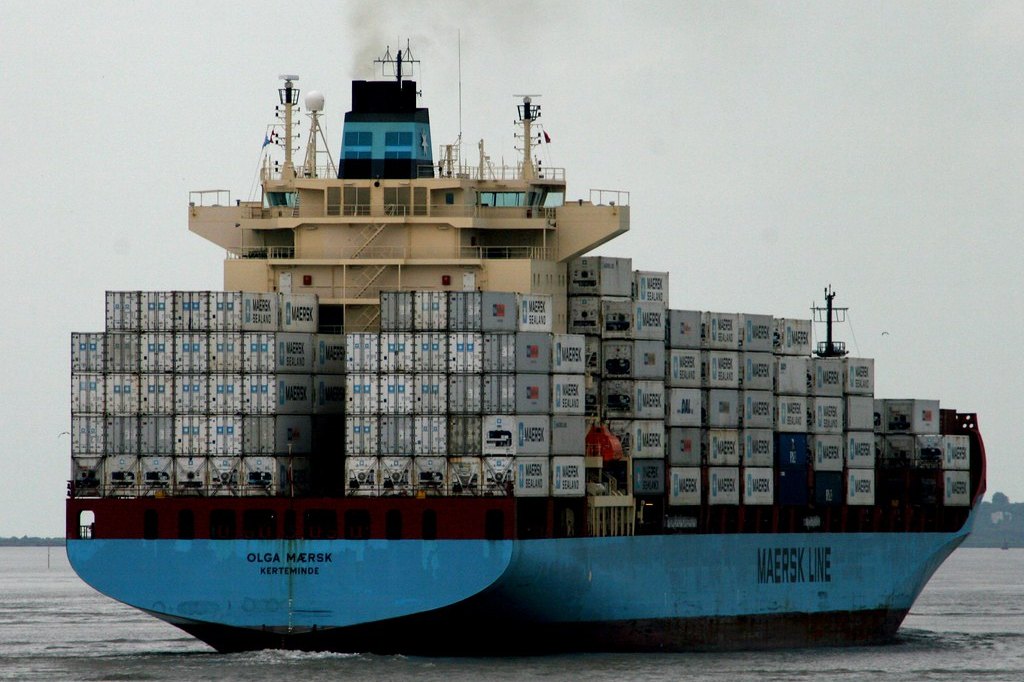
Every day, tankers carry crude oil, liquefied natural gas, and refined products through that narrow channel. When Iran closes it, the global economy feels it.
But the people who live on both sides of the water feel it first. Fishermen lose access to grounds. Port workers see fewer ships.
Prices at local markets rise. The conflict has a rhythm now. Strike.
Counter-strike. Diplomatic breakdown.
Economic retaliation. The June 14 attack was one beat in that rhythm. The strait closure is another.
What comes next is not clear from the report. What is clear: the human cost will be significant.
Families and communities are already affected. The international community is watching, waiting to see whether Iran and Israel escalate further or step back. For now, the strait is closed.
Three people are dead in Beirut. Talks with Washington are stalled. And across the region, people are living with the aftermath.
Sources
- Iran Re-Closes Strait of Hormuz After Israel Strikes Lebanon …
- Iran recloses Strait of Hormuz after Israeli attacks on …