TEHRAN, July 11 — Rear Admiral Alireza Tangsiri, the commander of the Islamic Revolutionary Guard Corps Navy, remains a central figure in the escalating crisis over the Strait of Hormuz. Appointed by Supreme Leader Ali Khamenei in 2018, Tangsiri has overseen a significant expansion of Iran’s naval capabilities and has repeatedly threatened to close the strategic waterway. Born in 1960 in Tangestan, Iran, Tangsiri joined the IRGC during the Iran-Iraq War, which lasted from 1980 to 1988.
He served as deputy commander of the IRGC Navy from 2010 to 2018 before assuming the top post. The record shows that his career has been defined by a focus on asymmetric naval warfare and the development of Iran’s fast attack boat fleet.
Missile Development and Strait Threats
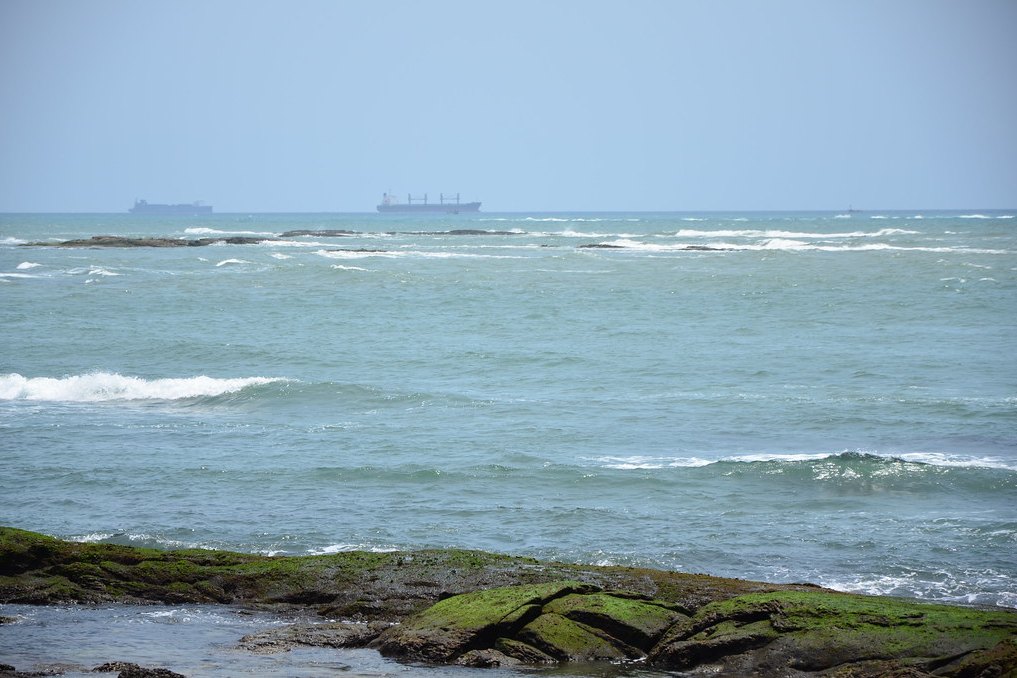
Under Tangsiri’s command, the IRGC Navy has overseen the development of anti-ship missile capabilities, including the Noor and Qader missiles. These systems form the backbone of Iran’s strategy to contest control of the Strait of Hormuz, a narrow passage through which a significant portion of the world’s oil shipments transit. Tangsiri has publicly threatened to close the Strait of Hormuz multiple times, including in 2019 and 2020, as a response to U.S. sanctions.
According to the timeline, the IRGC Navy under his leadership has conducted exercises simulating the closure of the strait. His role in the April 2025 closure announcement makes him a central figure in the escalating crisis.
He is also a member of the IRGC’s strategic council, placing him within the inner circle of military decision-making in Tehran.
Escalating Crisis
The April 2025 announcement regarding the closure of the Strait of Hormuz marked a significant escalation in tensions between Iran and the United States. Sources familiar with the situation indicate that Tangsiri’s forces have been on heightened alert since that declaration. The IRGC Navy’s fast attack boat fleet, developed under Tangsiri’s oversight, is designed for swarm tactics in the confined waters of the Persian Gulf.
These small, heavily armed vessels pose a distinct challenge to larger naval assets operating in the region. The Noor and Qader anti-ship missiles add a further layer of threat to commercial shipping and military vessels alike.
The U.S. administration under President Donald Trump has responded to the escalating situation by reinforcing naval presence in the region. Secretary of State Marco Rubio has characterized Iran’s actions as a threat to global energy markets and international maritime law.
What to Watch
Analysts are watching for any further IRGC Navy exercises in the Strait of Hormuz that could signal an actual attempt to enforce a closure. Tangsiri’s public statements and the operational posture of his forces will be key indicators of whether the April 2025 announcement was a bluff or a prelude to direct confrontation. The coming weeks will test whether diplomatic channels can de-escalate the situation or whether the region is headed toward a military clash involving the IRGC Navy and U.S. forces.