
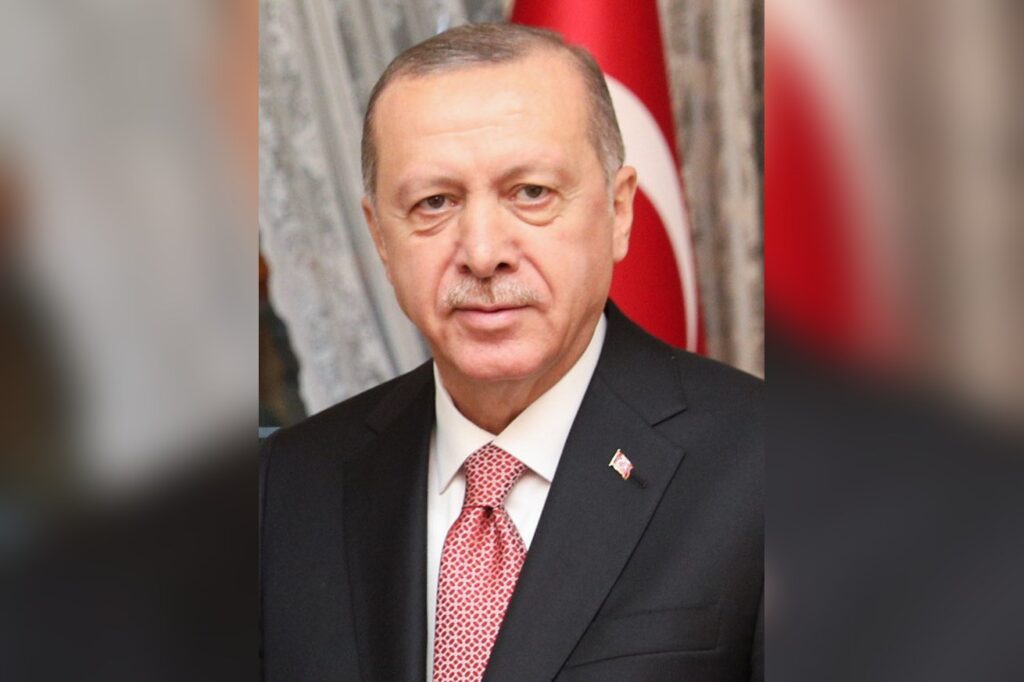
ANKARA, July 11 — Recep Tayyip Erdogan, the 12th president of Turkey and founder of the Justice and Development Party (AKP), has spent years weaving Turkey into the fabric of nearly every major geopolitical knot in the region. The mechanics here reward close attention: Erdogan is a NATO leader who has carved out a role as an indispensable, if unpredictable, intermediary between Russia and Ukraine. Consider the track record.
In March 2022, Erdogan hosted peace talks in Istanbul that produced a draft agreement between Moscow and Kyiv. That draft never became a final deal, but the fact that both sides showed up in Ankara’s backyard was no accident.
On closer reading, Erdogan’s strategy is not about choosing sides but about making Turkey the switchboard operator for conflicts it cannot afford to see escalate. The balancing act is delicate. Turkey has sold drones to Ukraine, providing Kyiv with a battlefield edge, while simultaneously refusing to fully join Western sanctions on Russia.
The catch is that Turkey needs Russian energy and Russian markets, but it also needs NATO’s security umbrella and the West’s investment. Erdogan has kept both channels open, and the result is a foreign policy that looks contradictory but is, in fact, deeply transactional.
Then there is the Bosphorus Strait. Turkey’s strategic control over this narrow waterway gives it a lever that no other NATO member possesses. By limiting Russian naval access to the Mediterranean, Erdogan has done what Western allies could not legally do — check Russian power projection without firing a shot.
Follow the geography: the Bosphorus is Turkey’s choke point, and Erdogan knows how to work it. The Black Sea Grain Initiative, brokered in July 2022, was another Erdogan production. It allowed Ukraine to export grain during the war, easing global food prices and demonstrating that Ankara could deliver results when others could not.
But the initiative also required Erdogan to keep Russian President Vladimir Putin at the table, a task that grew harder as the war dragged on.
The domestic math
At home, the numbers tell a more difficult story. Erdogan’s approval rating has fluctuated around 40 percent, a figure that reflects deep political polarization and mounting economic strain. Inflation hit 60 percent in 2024, eroding household purchasing power and testing the loyalty of the AKP’s base.
The government has faced persistent economic challenges, and the mechanics here are straightforward: when the lira weakens and prices rise, the political cost accumulates. Erdogan’s economic playbook has long prioritized growth and construction over orthodox monetary policy.
He has pressured the central bank to keep interest rates low, a stance that has fueled inflation and drawn criticism from investors. The catch is that low rates helped fuel the building boom that defined Turkey’s early AKP years, but that model has run into diminishing returns. The 60 percent inflation figure from 2024 is a reminder that the old formula no longer works as it once did.
The NATO tightrope
Turkey’s position within NATO is both a strength and a constraint. As a member of the alliance, Ankara benefits from collective defense guarantees, but its independent foreign policy — particularly its refusal to fully break with Russia — has frustrated Western capitals. Erdogan has used this tension to extract concessions.
The pattern is consistent: Erdogan leverages Turkey’s strategic geography and NATO membership to extract maximum leverage from all sides. The question now is how long this balancing act can hold.
Erdogan’s role as a mediator depends on both Russia and Ukraine believing he is useful. If either side decides Ankara has tilted too far, the mediation channel closes. And on the economic front, inflation at 60 percent does not disappear with diplomatic victories.
Erdogan has survived political storms before, but the combination of economic strain and geopolitical complexity makes the coming years a test of whether his brand of transactional statecraft can still deliver. What to watch next: whether Erdogan can broker another grain deal or revive the Istanbul peace track.
The mechanics of Erdogan’s Turkey are not changing — but the forces pressing on them are intensifying.




