Two days after an unclaimed strike hit a commercial vessel in the Strait of Hormuz, the waterway is quieter. Shipping data shows a measurable drop in traffic. The strait, through which roughly a fifth of the world’s oil moves daily, is no longer flowing at its normal rate.
Industry analysts reviewed vessel-tracking records. By Sunday evening, inbound and outbound transits had declined.
The Saturday strike, described by sources as a precision attack, has not been formally claimed by any group or state. Regional security officials are treating it as a deliberate act against commercial navigation. Shipping firms are reacting.
Several have issued internal notices pausing new bookings for Hormuz transits. They are waiting for security assessments to come back.
At least two major oil tanker operators have already diverted vessels to alternative routes. Those diversions add significant transit time and fuel costs. Insurance premiums for vessels still willing to cross the strait have risen sharply.
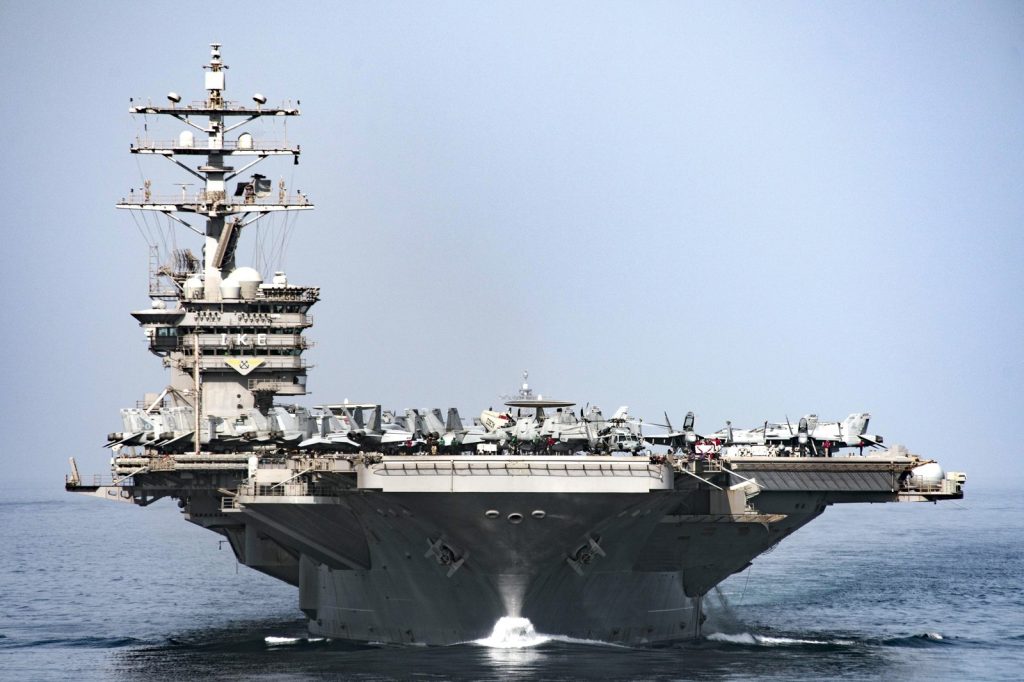
That is a direct financial consequence of the strike. The cost of doing business through the chokepoint just went up. The U.S. Navy’s Fifth Fleet, based in Bahrain, has not issued a formal statement on the traffic drop.
A defense official familiar with the matter said the Navy is monitoring the situation and maintaining its regular patrol posture in the region. No change in posture.
No escalation. No comment beyond that. Iran’s Islamic Revolutionary Guard Corps maintains a significant presence along the northern coast of the strait.
That presence is a known factor in any security calculation for the waterway. The Saturday strike adds another layer of risk.
Washington has long warned that any sustained disruption to Hormuz would trigger a spike in global energy prices. So far, crude benchmarks have not moved. But traders are watching the next 48 hours closely.
A week of reduced traffic could change the calculus. The strike itself remains a mystery in one key respect: no one has claimed it. That silence is unusual.
In a region where attacks on shipping are often followed by rapid claims of responsibility, the lack of one raises questions. Was the strike a warning?
A test? A mistake? Regional security officials are not saying.
For now, the data tells the story. Fewer ships are moving.
More are turning away. Insurance is more expensive. The strait is still open, but the traffic is not what it was.
The next 48 hours will show whether this is a temporary dip or the start of a longer disruption.
Sources
- Hormuz Shipping Traffic Drops After Vessel Strike
- The Strait of Hormuz and Iran's Narrow Window for Maneuvering