WASHINGTON, October 24, 2026 — A new intelligence assessment reveals that Iranian state actors have moved assassination plots against American diplomats into advanced stages, prompting a significant withdrawal of nonessential US personnel from the Middle East. The shift marks a stark contrast to the simultaneous buildup of military assets in the region, signaling a dual-track strategy of diplomatic retreat and defensive hardening.
Intelligence Memo Details Escalating Threats
The warning arrived in a memo dated October 23, addressed directly to US Secretary of State Marco Rubio. According to reports citing the document, Iran has substantially increased its efforts to target US diplomats and officials in the Middle East and beyond. The intelligence assessment notes that some of these alleged assassination plots have reached advanced stages, though the memo does not name specific targets or provide granular details about the methods being employed.
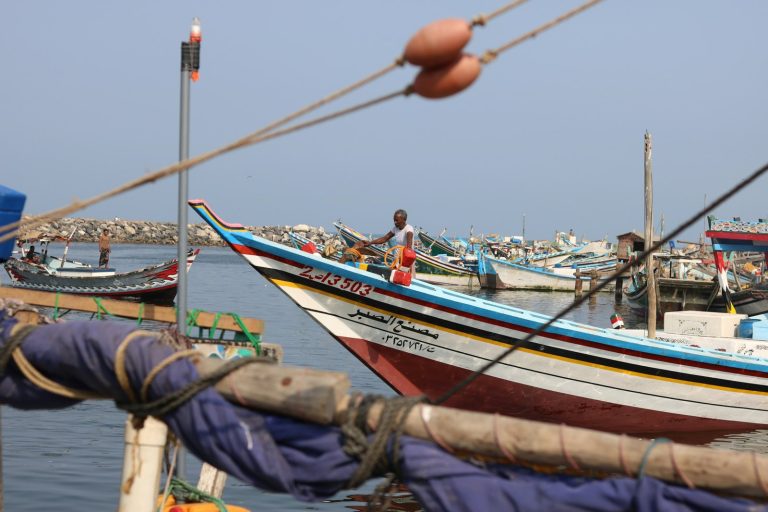
The intelligence was shared with senior State Department officials, who immediately began coordinating a response. The threat landscape is complex, attributed to both Iranian state actors and Iran-backed Houthi forces. This escalation comes at a critical juncture in the ongoing conflict, which began in February 2026 following the assassination of Iranian Supreme Leader Ali Khamenei and subsequent airstrikes by the US and Israel. The current environment is defined by a fragile and contested ceasefire, with the Strait of Hormuz remaining a focal point for maritime security concerns.
Diplomatic Footprint Shrinks Across the Region
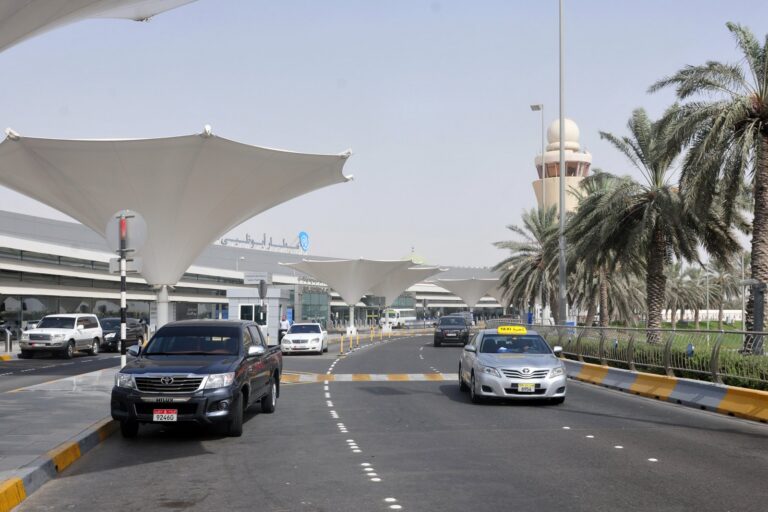
In direct response to the heightened threat level, the State Department has reduced staffing at US embassies in the United Arab Emirates, Lebanon, Qatar, and Jordan. A US official confirmed that these reductions are a direct result of threats from Iran-backed Houthis and the alleged Iranian plots detailed in the intelligence memo. The move reflects a broader pattern of risk management as the administration evaluates the safety of its diplomatic corps in active conflict zones.
The situation in Saudi Arabia has become particularly tense. The State Department ordered family members and nonessential staff to leave the US Embassy in Riyadh. Similar orders were issued for American consulates in Jeddah and Dhahran, where nonessential staff were directed to depart. On the ground, the impact of the conflict is visible in the capital. Residents in Riyadh have reported disruptions to daily life, with the landmark Kingdom Centre skyscraper ordering mandatory remote working for office tenants following a security alert and two drone interceptions. The Houthis have continued to launch strikes on Saudi targets, creating a volatile security environment that complicates diplomatic operations.
Military Reinforcements Arrive Amid Diplomatic Stalemate
While diplomatic personnel are leaving, military reinforcements are moving into the Middle East. The US is deploying a third aircraft carrier to the region, a significant increase in naval presence. Defense Secretary Pete Hegseth recently visited Israel to meet with Prime Minister Benjamin Netanyahu, signaling close coordination between the two allies. A person briefed on US and Israel war planning told NPR that the countries are preparing plans for a possible attack on Iran after the US midterm elections.
President Donald Trump has warned Iran of a possible fresh military strike if diplomatic agreements fail. Speaking at a campaign rally in Florida, Trump suggested the US could launch “another little Epic Fury” if negotiations break down. He criticized Iran’s leadership, questioning their willingness to reach a deal. In response, Iran’s Foreign Minister Abbas Araghchi stated that Iran is ready for both diplomacy and war. The diplomatic impasse is further complicated by economic pressure, with US Treasury Secretary Scott Bessent claiming that Washington’s campaign has severely weakened Iran’s oil exports, depleting its shadow tanker fleet and offshore reserves.
Maritime Tensions and the Path Forward
The Strait of Hormuz remains a flashpoint. The UK Maritime Trade Operations monitoring agency reported that at least 10 vessels have been attacked in or near the strait since last Sunday, a weekly high since the war began. Although Iran’s foreign minister stated that the strait would reopen within days if the US complies with ceasefire conditions, the reality on the water remains dangerous. The seven-day ceasefire proposal, which called for an end to the American naval blockade and lifting of sanctions, remains on the table but unfulfilled.
As the midterm elections approach, the administration is balancing military readiness with the desire to avoid a spike in oil prices. Trump has indicated he may consider military action after November 3 to prevent economic disruption during the election period. Meanwhile, Iran continues to demand formal control over the Strait of Hormuz and the withdrawal of US troops. The scene in the region is one of heightened tension, where diplomatic channels are narrowing even as military options are being actively prepared. The coming weeks will likely determine whether the conflict escalates further or if a fragile stability can be maintained.
Sources
- Iran says Strait of Hormuz reopening, seven-day ceasefire conditions still on the table
- Military reinforcements move to Mideast. And, millions of Americans vote early
- US Iran War Live Updates: Iran president Pezeshkian to meet Russian counterpart Putin in Moscow next week – The Times of India
Photo: OlafJanssen (CC BY-SA 4.0)