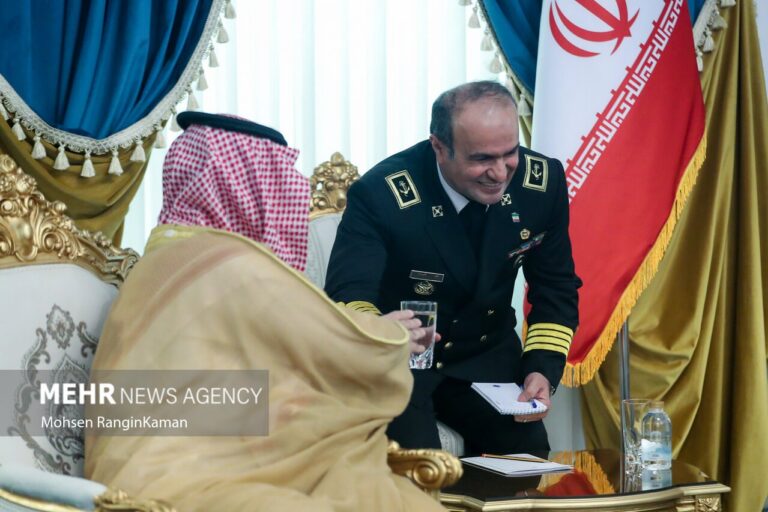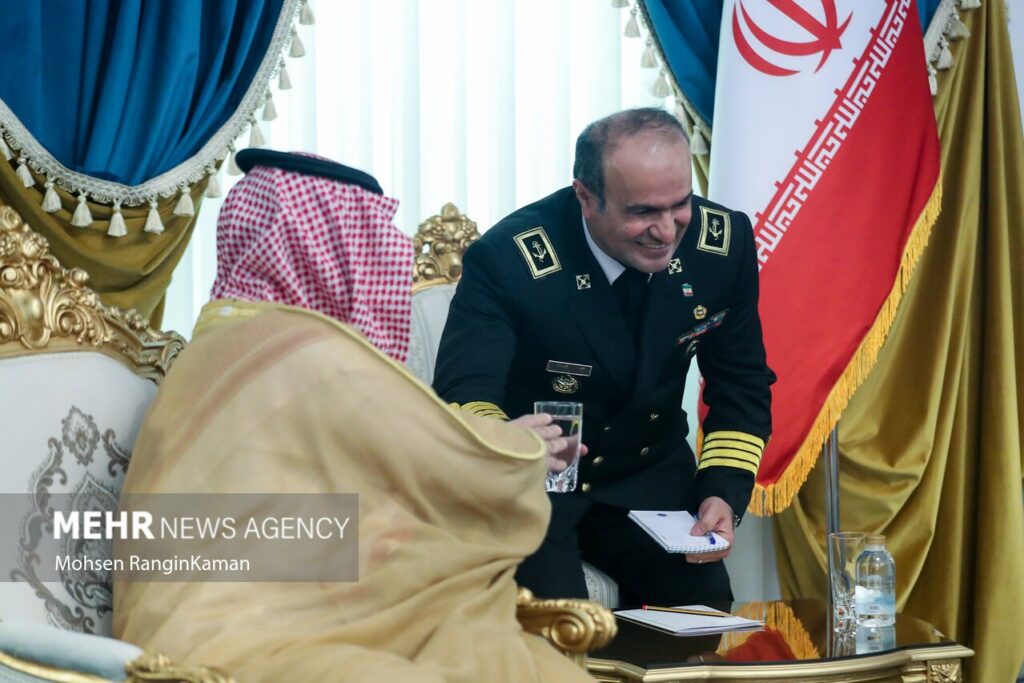
TEHRAN, October 27, 2026 — Senior officials from Saudi Arabia, Turkey and Pakistan held talks with Iran on Oct 26 in an attempt to stop the Middle East war from reigniting, with Tehran saying the discussions were “very good”.
The collapse of the 2015 Joint Comprehensive Plan of Action cleared the path for renewed uranium enrichment. The United States withdrew from the pact in 2018, imposing sanctions under its maximum pressure campaign. In a symbolic response, members of Iran’s Islamic Consultative Assembly burned the text of the JCPOA in the Assembly. The sanctions applied to all countries and companies doing business with Iran and cut it off from the international financial system, rendering the nuclear deal’s economic provisions null. On 18 October 2025, in the aftermath of the Twelve-Day War, Iran officially announced the termination of the agreement after 10 years. The International Atomic Energy Agency formally declared Iran in breach of its non-proliferation obligations on 12 June 2025. The following day, Israel launched a military operation targeting Iran’s military and nuclear fuel cycle sites, substantially damaging them. On 1 March 2026, the USA and Israel began a joint military campaign which struck some nuclear fuel cycle sites once again.
The latest round of diplomacy marked the first joint visit to Tehran by Pakistan, Saudi Arabia and Turkey since they formed a defence alliance in Mecca in August. Senior officials from the three Mecca pact nations flew to Iran as part of efforts to de-escalate between the parties to the current crisis, a Saudi Foreign Ministry statement said. The delegations met Iranian President Masoud Pezeshkian and Foreign Minister Abbas Araghchi. The meeting ended without concrete announcements, with the various parties agreeing to continue discussions. Iran’s security chief Mohsen Rezaei described the discussions as “very good” and noted a new positive atmosphere. He said they agreed that security in the region should be achieved by the countries themselves, and that foreign intervention must be prevented, adding that emphasis was put on the Israeli occupation of southern Lebanon, southern Syria, Gaza and the West Bank.
The Path from Diplomacy to Military Action
The collapse of the 2015 Joint Comprehensive Plan of Action fundamentally altered the trajectory of Middle Eastern security. Under the original agreement, Iran agreed to constrain its nuclear program by limiting fuel cycle activities that could lead to the production of weapons-grade uranium or plutonium. The deal restricted the number and type of centrifuges in operation, the level of uranium enrichment, and the size of Iran’s enriched uranium stockpile. Key facilities at Fordow, Natanz and Arak were repurposed for civilian uses such as medical and industrial research. In exchange for complying with these restrictions, Iran received relief from nuclear-related sanctions imposed by the United Nations, the EU, and the United States.
The agreement took effect on 20 January 2016. However, it was criticized and opposed by Israel, Saudi Arabia, Iranian principlists, and the Republican Party in the United States. The United States withdrew from the pact in 2018, imposing sanctions under its maximum pressure campaign. In a symbolic response, members of Iran’s Islamic Consultative Assembly burned the text of JCPOA in the Assembly. The sanctions applied to all countries and companies doing business with Iran and cut it off from the international financial system, rendering the nuclear deal’s economic provisions null.
The deterioration accelerated following the Twelve-Day War. On 18 October 2025, in the aftermath of the conflict, Iran officially announced the termination of the agreement after 10 years. The International Atomic Energy Agency formally declared Iran in breach of its non-proliferation obligations on 12 June 2025. The following day, Israel launched a military operation targeting Iran’s military and nuclear fuel cycle sites, substantially damaging them. On 1 March 2026, the USA and Israel began a joint military campaign which struck some nuclear fuel cycle sites once again.
Regional Tensions and Diplomatic Stakes
The diplomatic efforts in Tehran occurred against a backdrop of intensifying regional volatility. Regional tensions have risen ahead of Israel’s pivotal elections on Oct 27 and next week’s US midterms, where US President Donald Trump’s Republicans are battling to keep control of both chambers of the US Congress. As the talks in Tehran began, UN Secretary-General Antonio Guterres said it was “essential to stop any escalation” in the Middle East. He warned that “the risk to have the combination of an overwhelming military attack on Iran and an overwhelming military attack by Iran on the countries of the Gulf needs to be avoided at all costs,” he told a press conference in Cairo.
Simultaneously, fresh explosions rattled Riyadh overnight, which has suffered weeks of attacks from the Iran-backed Houthis. The group claimed a new attack on the Saudi capital’s international airport on Oct 25. The Saudi-led coalition in Yemen later reported intercepting three Houthi-launched drones over southern Saudi Arabia and the Riyadh region. These incidents underscore the fragile security environment surrounding the high-level negotiations between Mecca pact members and Iranian officials.
Analysts have noted the critical nature of these exchanges. Hesham Alghannam, a Saudi security analyst and researcher, posted on social media platform X that “this historic meeting in Tehran may be the last chance before escalation spirals out of control”. The Prince, Pakistan’s powerful army chief Asim Munir and Turkish intelligence chief Ibrahim Kalin met Rezaei to discuss these urgent issues. Meanwhile, Egypt’s Parliament approved President Abdel Fattah al-Sisi’s request in response to the weeks of attacks, highlighting the broader regional impact of the crisis.
Sources
- Iran holds ‘very good’ talks with Mecca pact nations on region’s security
- Iran nuclear deal
- Nuclear Power in Iran
Photo:
Mohsen Ranginkaman (CC BY 4.0)