On November 8, 2019, Luiz Inácio Lula da Silva walked out of the Federal Police building in Curitiba after 580 days in custody. Supporters had kept watch outside for much of that time. “They didn’t imprison a man,” he told them. “They tried to kill an idea. But you can’t kill an idea.” Seven years later he has won a fourth term as president of Brazil.
The Vote
In Sunday’s runoff, Lula beat right-wing Senator Flávio Bolsonaro, 51.8% to 48.2%, a gap of roughly 4.4 million votes. Flávio is the eldest son of former president Jair Bolsonaro, who is serving a sentence for plotting to overturn the 2022 election he lost to Lula. The margin is far bigger than Lula’s 2022 win over Jair, and it ends an 18-month losing streak for leftist politicians in Latin America.
It was not what the polls promised. Almost all had Bolsonaro slightly ahead in the final days, and in the first round in early October Lula had trailed with 45.16% against the senator’s 47.03%. Flávio alleged irregularities and said he would challenge the outcome, but an analyst writing for Americas Quarterly argued that a lead of more than 4 million votes was too large for any delay in polling stations closing or other glitches to explain. Brazil’s power brokers, including the so-called Centrão, are accepting the result. Most Latin American leaders, including right-wingers Keiko Fujimori and José Antonio Kast, quickly recognized it.
Lula is the first person to beat a sitting Brazilian president seeking reelection, and the first elected to a third term, and now a fourth. He is nearly 81 and recently fought cancer for the second time.
A Campaign Rebuilt in Two Weeks
One analyst described Lula as a 20th-century politician who learned at the last moment to run a 21st-century campaign. After the first-round loss he started carrying a smartphone for the first time in his life and brought in younger aides who knew how to run a digital operation. That, the analyst said, brought out 3 million more voters, fewer spoiled ballots, and votes from third-party supporters and some repentant Bolsonaro backers.
Ricardo Kotscho, a veteran journalist who was Lula’s press secretary in his first term, called him “a walking metamorphosis,” borrowing the title of a Raul Seixas song. Kotscho first covered Lula in 1978, when Lula was rising as a São Paulo union leader.
From the Factory Floor
Lula was born in 1945 in rural Pernambuco, the seventh of eight children of a poor family. At seven he moved with them to the southeast, where he shined shoes before becoming a metalworker in the industrial belt outside São Paulo. In 1964 a workplace accident took part of his left little finger, which became a symbol of his working-class image. In the same factory halls he learned to command a crowd as a union leader in the 1970s. He was arrested for 31 days under the National Security Law after a 1980 strike. Two years later, he helped found the Workers’ Party.
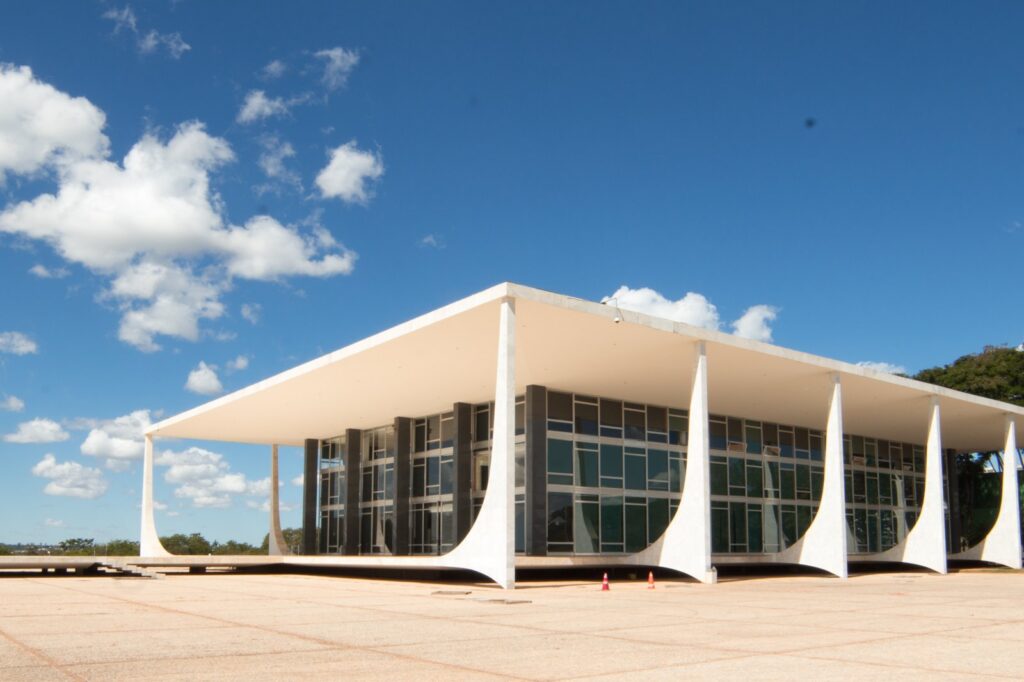
He lost presidential races in 1989, 1994 and 1998, then won in 2002 after widening his alliances and softening his speech. His government was hit by scandal. The Mensalão vote-buying scheme sent senior party figures to prison, and Operation Car Wash later exposed a kickback scheme at Petrobras. Lula was convicted in 2017 and barred from running; the Supreme Court annulled the ruling in 2021 and restored his rights.
The Bill Comes Due
Winning may be the easier part. Lula inherits a fiscal deficit nearing 10% of GDP after heavy campaign-year spending, including more than $60 billion in extra outlays, welfare payments and debt forgiveness. Real interest rates are above 8%, and debt is forecast to reach 83% of GDP this year. Markets sold off after the result and may keep sliding until he sets out how he will cut spending.
Tendências Consultoria in São Paulo expects the gross debt ratio to hit 83.3% this year, with a primary deficit of 0.5% of GDP. The opposition Liberal Party holds 23.6% of the Chamber of Deputies and 34.6% of the Senate. Analysts say he needs to name a finance minister the markets trust, and soon.
Abroad, the pressure comes mostly from Washington. Trump has put new tariffs on Brazilian goods this year, including a 25% levy on some products, and Brazil’s exports to China reached $58.3 billion in the first half of 2026, against $17.4 billion to the United States. The Trump administration may also question the election’s legitimacy, according to one analyst, though regional leaders appear to have moved on. Lula’s term runs to 2030.
Sources
- Luiz Inácio Lula da Silva
- Lula, Brazil’s great political survivor, wins again in a deeply divided nation | CNN
- REACTION: Lula Wins Brazil's Presidency in Historic Comeback
Photo: Ptacruz (CC BY-SA 4.0)