
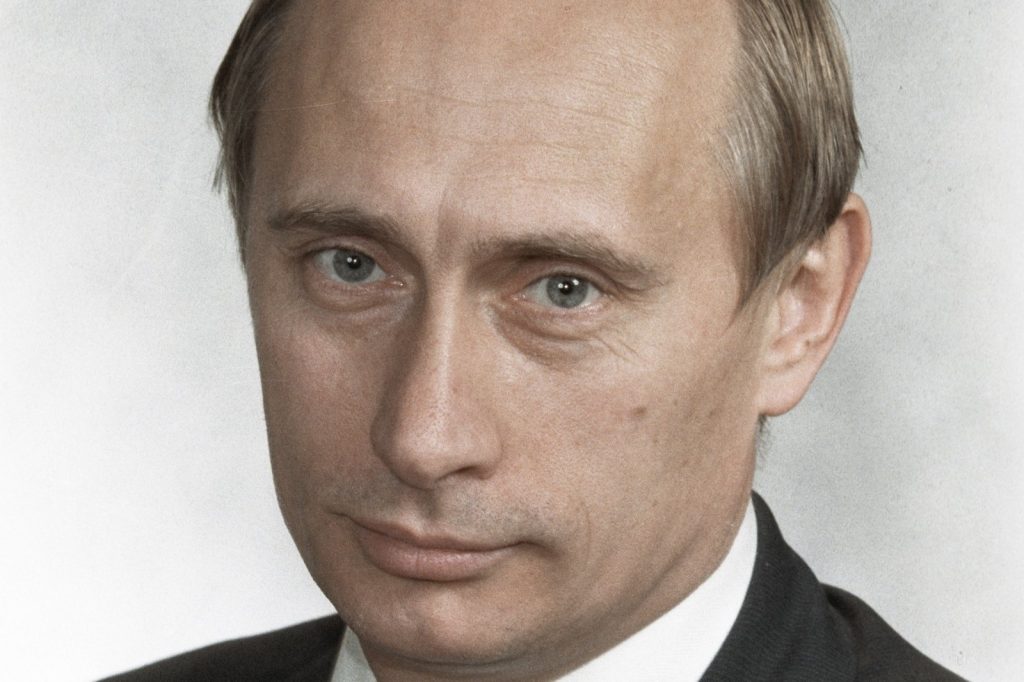
Even before the February 2022 invasion of Ukraine, President Vladimir Putin was building a “digital fortress” intended to cut Russian citizens off from foreign information, mirroring the surveillance models of China and Iran. The plan called for a sovereign‑internet law, extensive middlebox filtering and the blocking of independent media outlets.
When leading Western tech firms ended their Russian operations after the attack on Kyiv, investigative journalist Andrei Soldatov warned that the move could unintentionally aid Moscow’s propaganda campaign. In the first week of the war, Soldatov said Facebook remained one of the few platforms where Russians could discuss events at home and abroad, and that any attempt to shut it down would have serious repercussions. Rather than a complete shutdown, the Kremlin responded by throttling both Facebook and Twitter, making them difficult to reach for most users.
Subsequent decrees ordered the blocking of Western news sites and introduced a criminal penalty for spreading “false” information that contradicts the official line. Early this week, the government extended restrictions to Instagram; NetBlocks recorded a slowdown of the service across several Russian ISPs by Monday morning.
Despite these measures, the censorship drive has exposed weaknesses in the state’s broader internet‑control architecture. Individuals with basic technical skills can still bypass restrictions using VPNs, Tor or other circumvention tools. ProtonVPN reported a ten‑fold increase in daily sign‑ups since the war began, while research from Top10VPN.com showed Facebook and Twitter app downloads jumping eight times above normal levels.
The pressure on global internet providers has created a dilemma. Companies must balance public calls to penalise Russia with the desire to keep information flowing.
Amazon Web Services continues to host Russian customers, though it has stopped taking new ones. Cloudflare and Akamai also maintain services for Russian clients, except for state‑owned entities and firms under sanctions. Microsoft has halted new sales of its products but has not confirmed a full suspension of its cloud platform. U.S. backbone operators have taken a more selective approach.
Cogent cut direct peering with Russian networks but left traffic routes through subsidiaries of Russian providers that interconnect abroad. Lumen adopted a similar stance.
Cogent CEO Dave Schaeffer said the decision was driven by concerns that direct links could be weaponised by Russian cyber forces, not by financial factors, although the ruble’s collapse has made payments harder to collect. Cogent continues to offer free service to Ukrainian users. European and Asian backbone providers, according to Kentik’s internet analyst Doug Madory, still route traffic to Russia, and overall connectivity from outside has not shown a noticeable decline.
Russia’s 2019 sovereign‑internet law, meant to allow the country to run its network independently, relies on thousands of middleboxes installed at every ISP. These devices can block specific sites and enable the FSB to monitor users.
The system was stress‑tested last year when authorities throttled Twitter, but experts say it functions more like a “sieve” than China’s Great Firewall. Andrew Sullivan, president of the Internet Society, noted there is no evidence the law can fully disconnect Russia from the global web, citing technical, economic and cultural complexities. Telegram remains unblocked and serves as a key channel for Ukrainian ministries and the Latvia‑based independent outlet Meduza, which reaches one million followers on the app.
The Kremlin has had limited success against the Tor network, which provides access to .onion sites, including mirrors of Twitter and The New York Times. Overall, the attempt to seal Russia off from worldwide information has highlighted the resilience of the open internet.
While the Kremlin can slow or block certain services, technical work‑arounds and the continued operation of many foreign providers keep a flow of independent news alive. The coming months will test whether Moscow can achieve the total digital isolation it seeks, or if the free exchange of information will continue to outmaneuver authoritarian controls.




