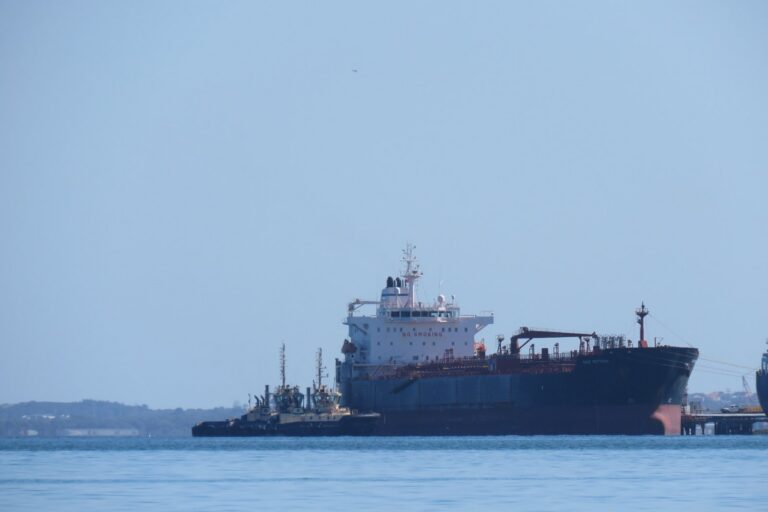
Venezuela sits on more crude oil than any other country, around 303 billion barrels of proven reserves, nearly one-fifth of the world’s total. It has also lived through one of the worst economic collapses outside of war. Both facts come from the same root.
The Council on Foreign Relations measures the damage in a few numbers. GDP shrank by about three quarters between 2014 and 2021. In 2018 annual inflation went above 130,000 percent, and the central bank still put it at 190 percent in 2023. Debt is estimated at $150 billion or higher. In a survey from November 2022, 50 percent of the country’s 28 million residents were living in poverty, down from 65 percent a year earlier. Since 2014, nearly eight million Venezuelans have left.
A petrostate’s rise
It started in 1922, when Royal Dutch Shell geologists struck oil at La Rosa in the Maracaibo Basin and the well blew out at one hundred thousand barrels a day. Soon over a hundred foreign firms were pumping, protected by the dictator Juan Vicente Gomez. Over the 1920s annual output leapt to 137 million barrels from barely a million.
The model broke when prices fell. In the 1980s Venezuela’s economy contracted and inflation soared, and it piled up foreign debt buying refineries abroad, among them Citgo, on American soil. In 1989 the government launched an austerity package tied to an IMF bailout. Deadly riots followed. Hugo Chavez, a failed coup leader in 1992, took the presidency in 1998 on a socialist ticket, promising to spend oil money on the poor. His missions cut poverty by some 20 percent, but CFR says his decisions also started a long decline in production, including the firing of thousands of experienced workers at PDVSA, the state oil company.
When oil prices tumbled in mid-2014, the economy went into free fall. Nicolas Maduro held on to power through repression, censorship and manipulated elections.
Why the barrels stay in the ground
Reserves and recoverable oil are different things. Most of the crude lies in the Orinoco Oil Belt as heavy and extra-heavy grades, which need upgrading, blending or special refining before sale. That costs money Venezuela has lacked. PDVSA once produced over 3 million barrels per day. BusinessToday put production at well under one million barrels per day, a fraction of that peak, blaming underinvestment, mismanagement, decaying infrastructure, an exodus of skilled workers and sanctions.
Oil still carries the state. In recent years oil sales paid for nearly two thirds of public spending, and estimates for 2024 put the share slightly lower, at 58 percent.
Sanctions on and off
Washington has imposed sweeping sanctions for almost two decades, the most significant blocking oil imports from PDVSA and cutting the government off from the American financial system. Yet analysts say backing from Russia, China, Iran, Cuba and Turkey kept the Maduro government afloat.
The policy swung back and forth. In November 2022 the US let Chevron resume limited operations. A year later it eased restrictions on oil and gas exports for six months, and 2023 exports climbed about 12 percent. In April 2024, after Caracas fell short of the conditions set for a free election, Washington reimposed the oil sanctions. The July 2024 presidential election, which both Maduro’s government and the opposition claimed to have won, strained relations further.
Sources
- Venezuela: The Rise and Fall of a Petrostate (Council on Foreign Relations)
- Venezuela: The Rise and Fall of a Petrostate (CFR), key indicators
- Venezuela: The Rise and Fall of a Petrostate (CFR), history
- 303 billion barrels: How Venezuela became the world's biggest oil holder and why it still struggles (BusinessToday)
- Venezuela: The Rise and Fall of a Petrostate (CFR), early oil
- Venezuela: The Rise and Fall of a Petrostate (CFR), sanctions